
Home | Symposium “Cytoskeletal Systems at the Crossroads of Cell Function and Disease” at Nencki Institute
News
Symposium “Cytoskeletal Systems at the Crossroads of Cell Function and Disease” at Nencki Institute
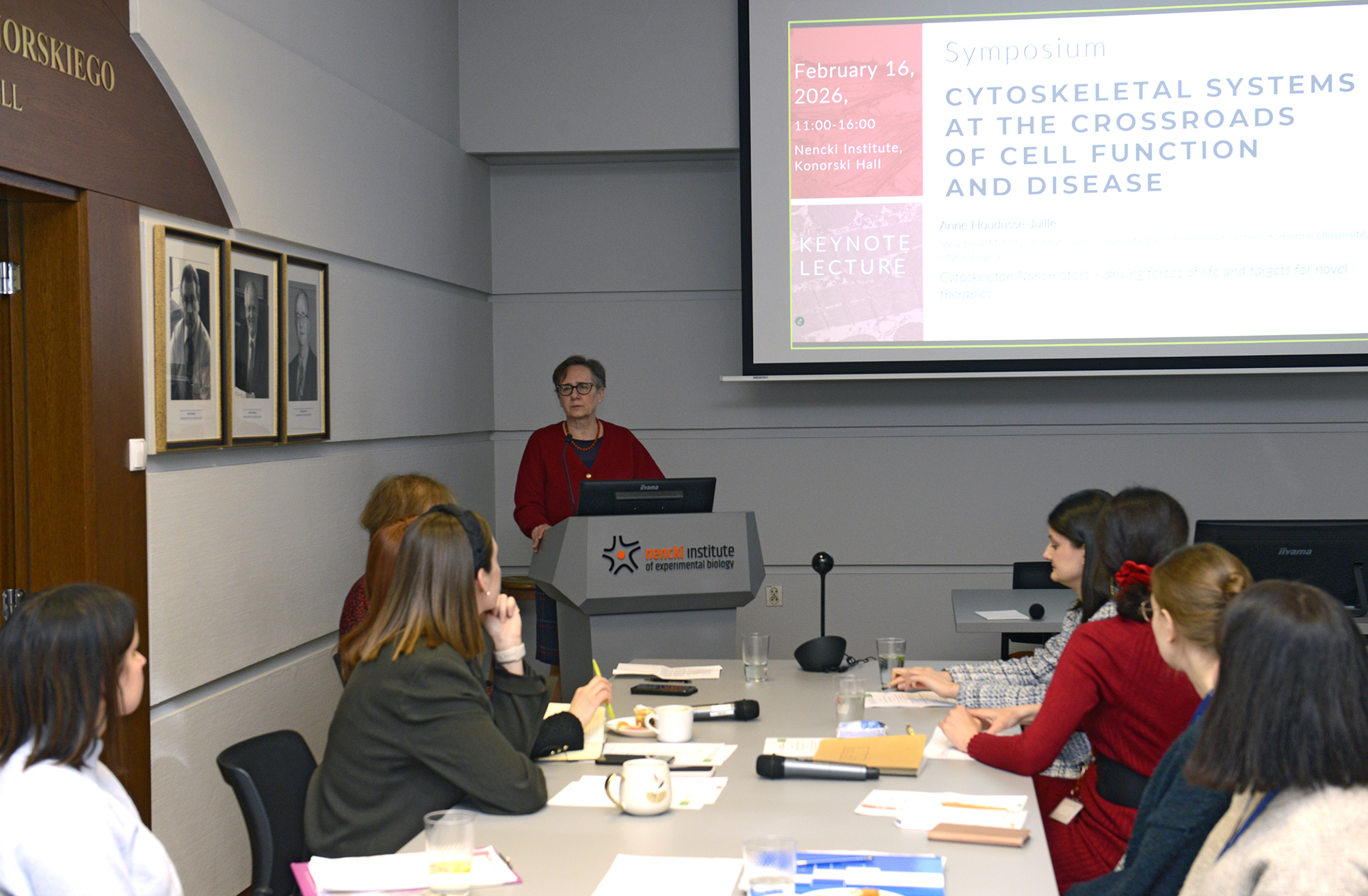
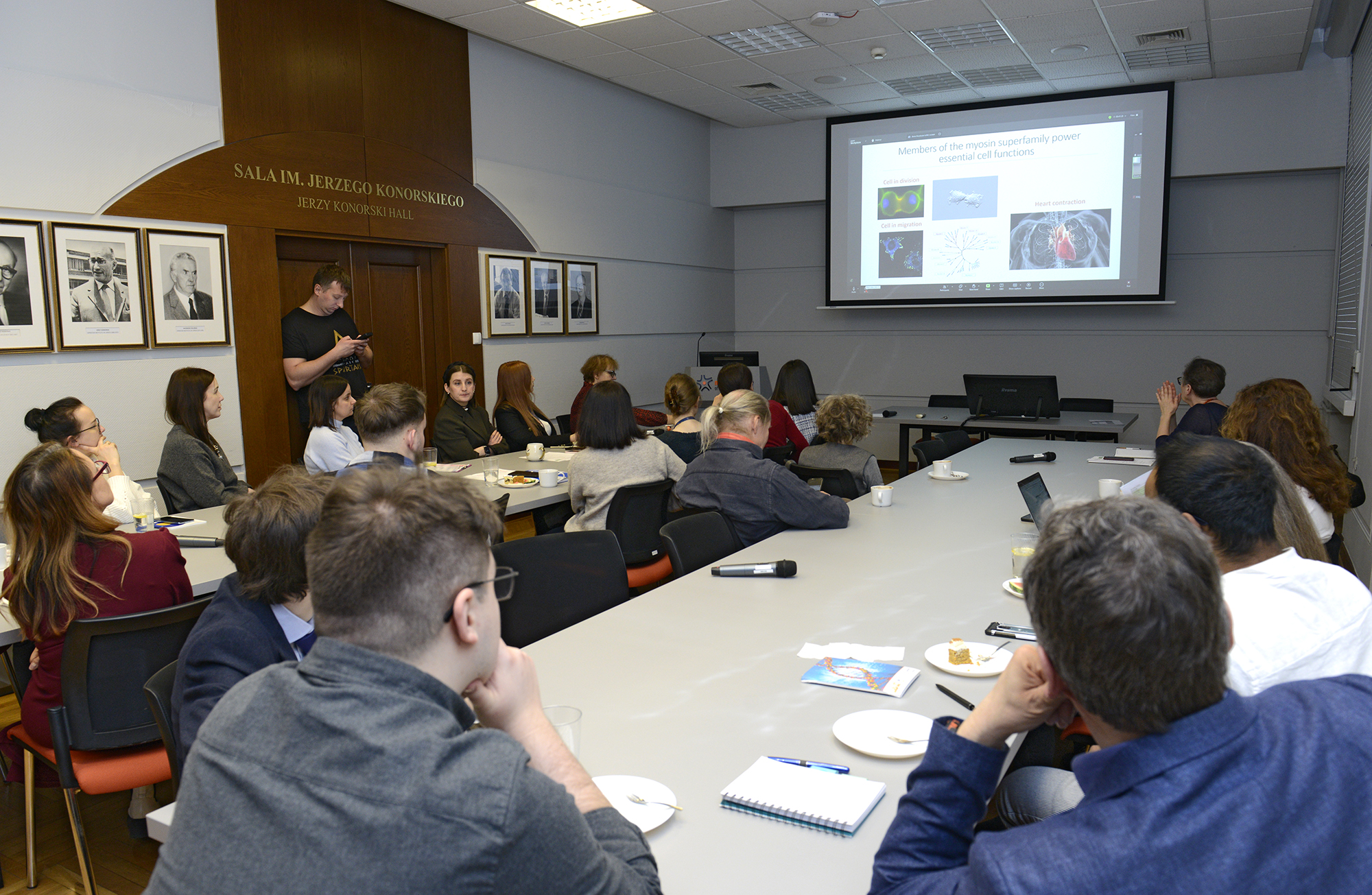
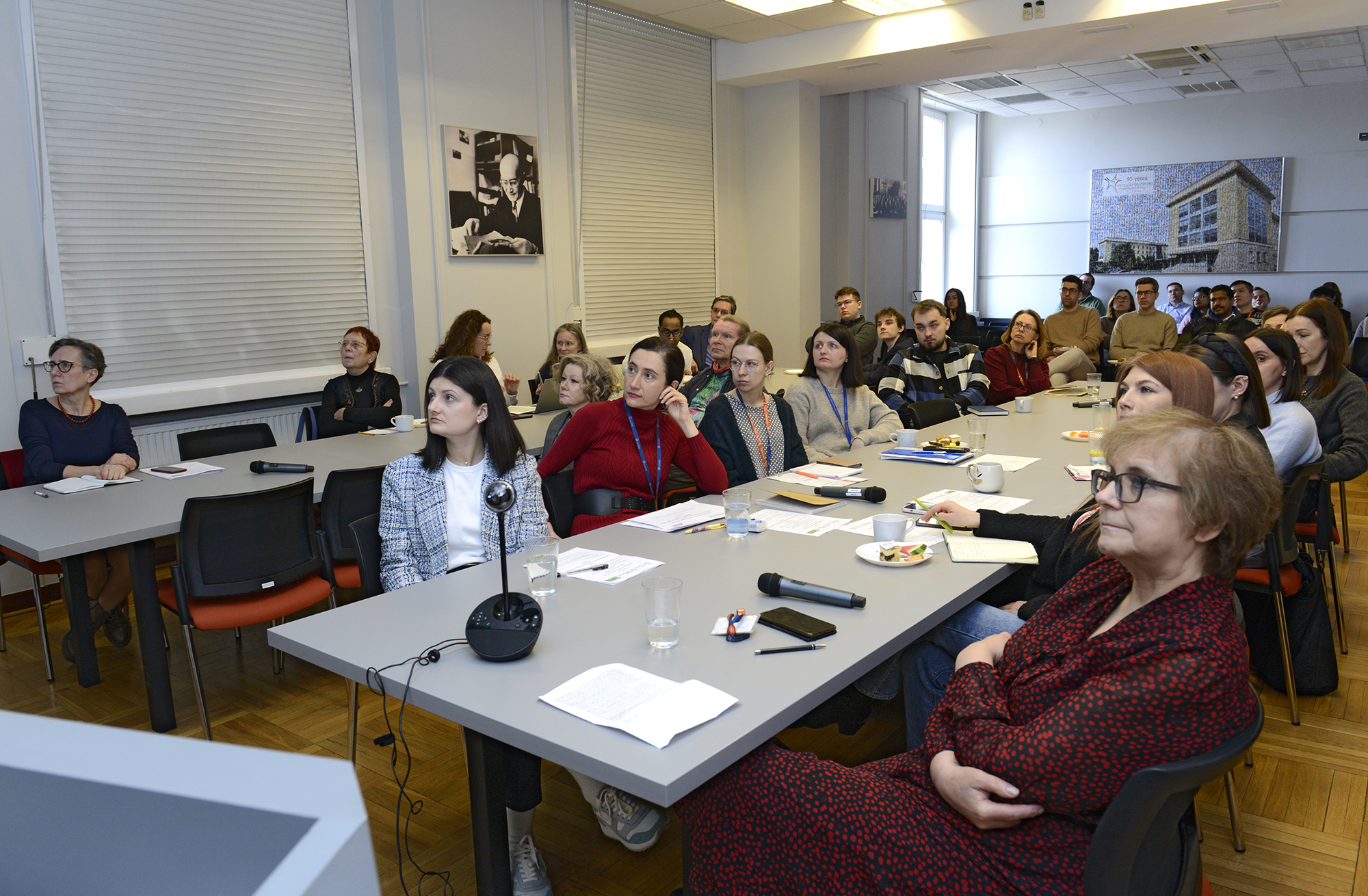
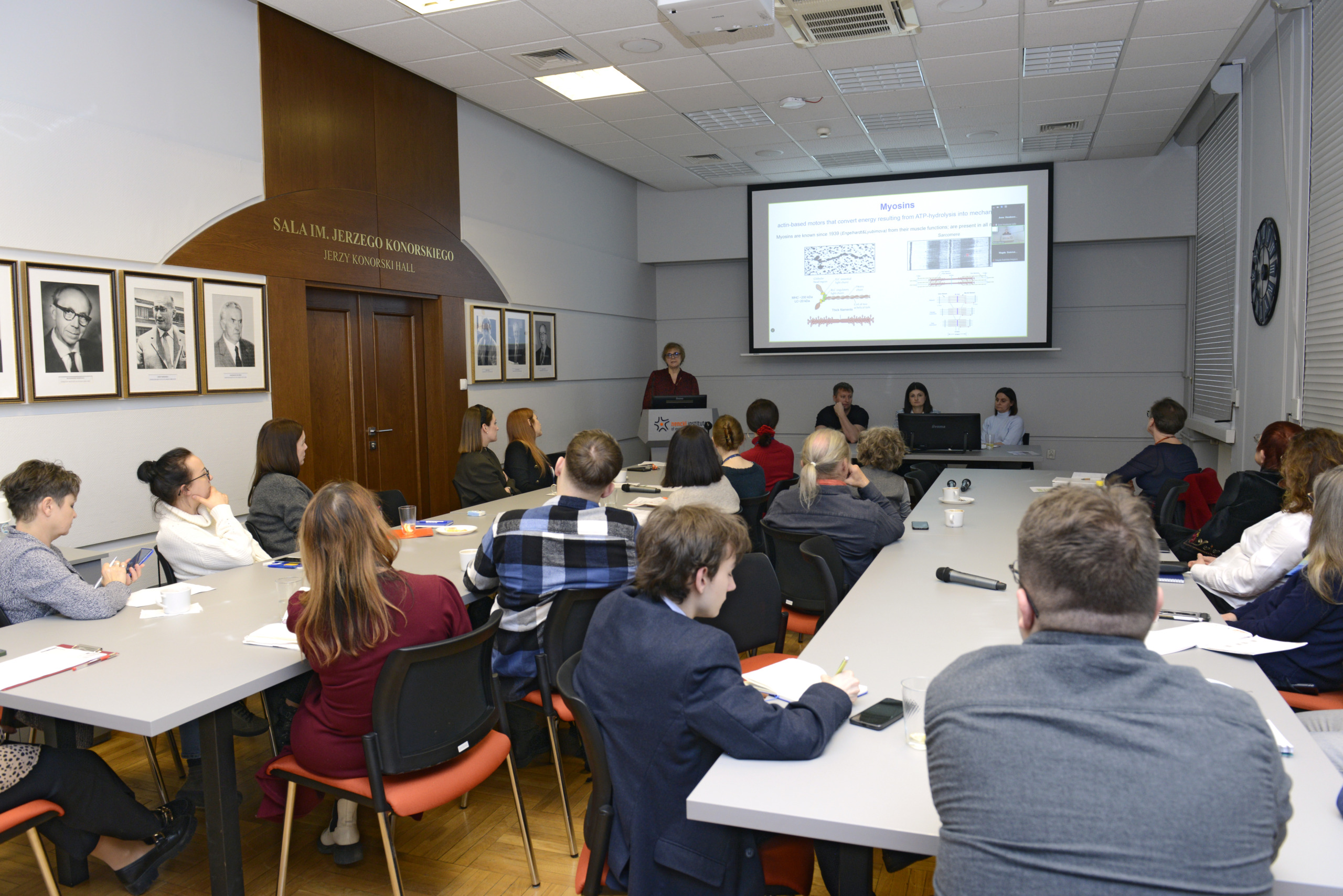
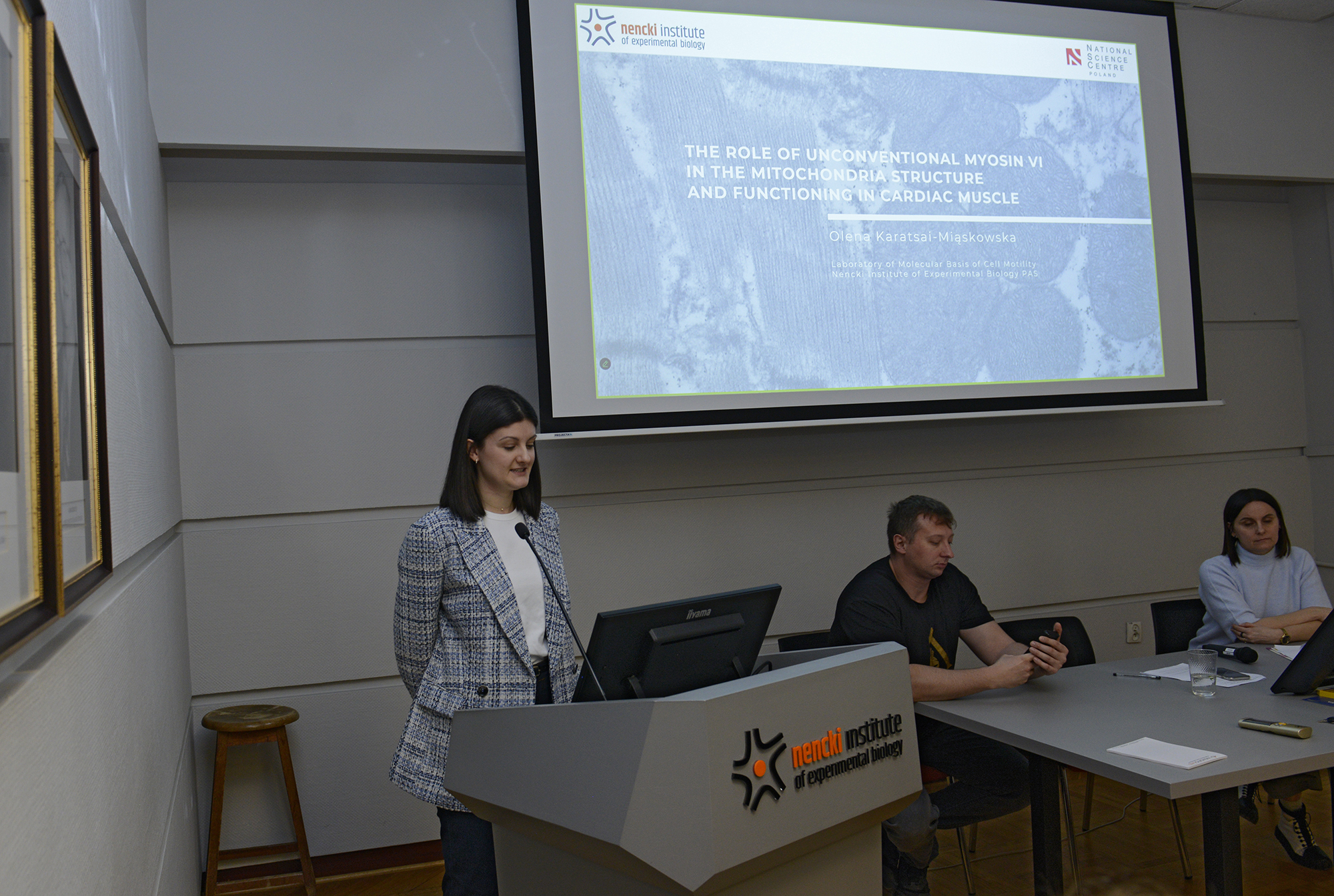
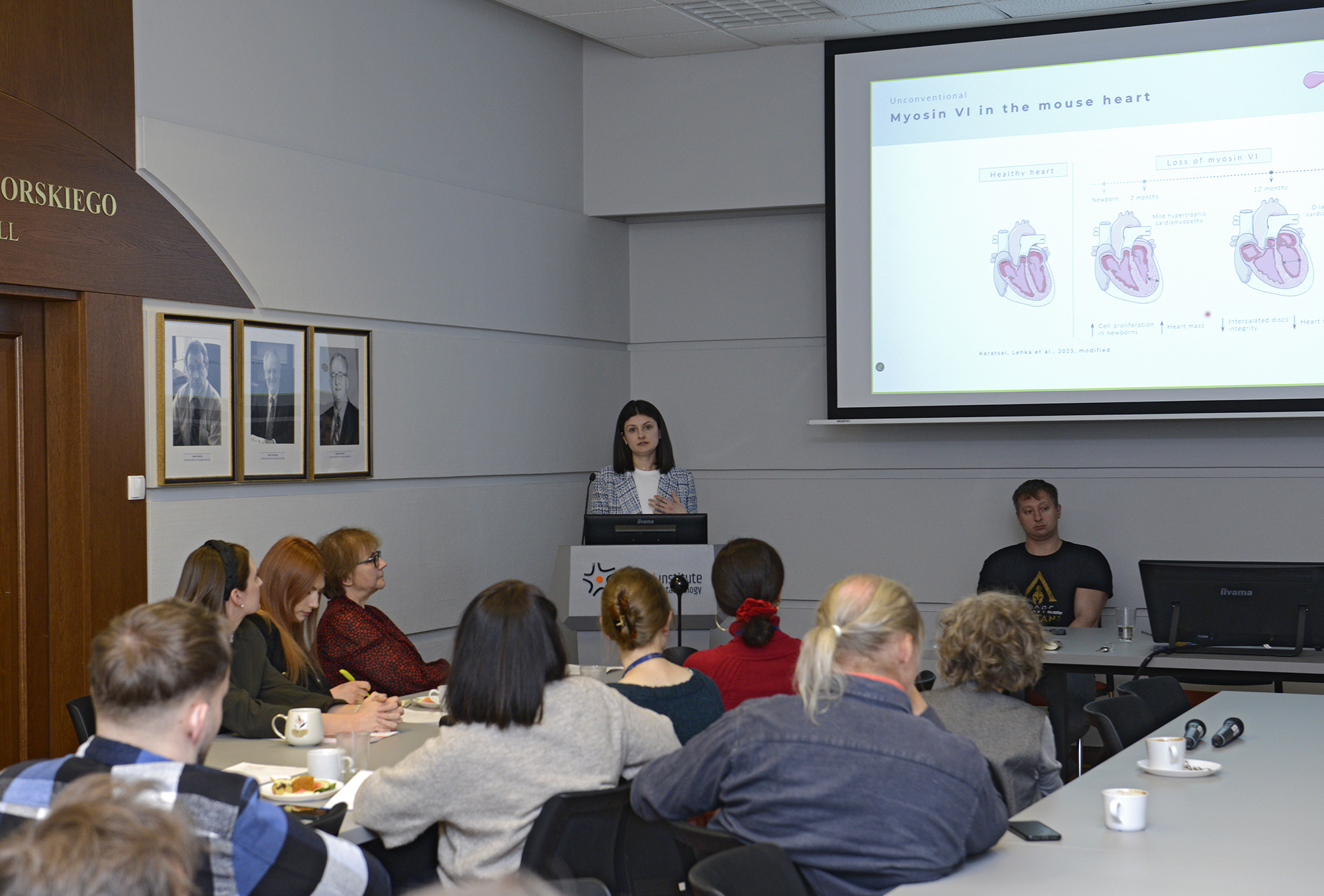
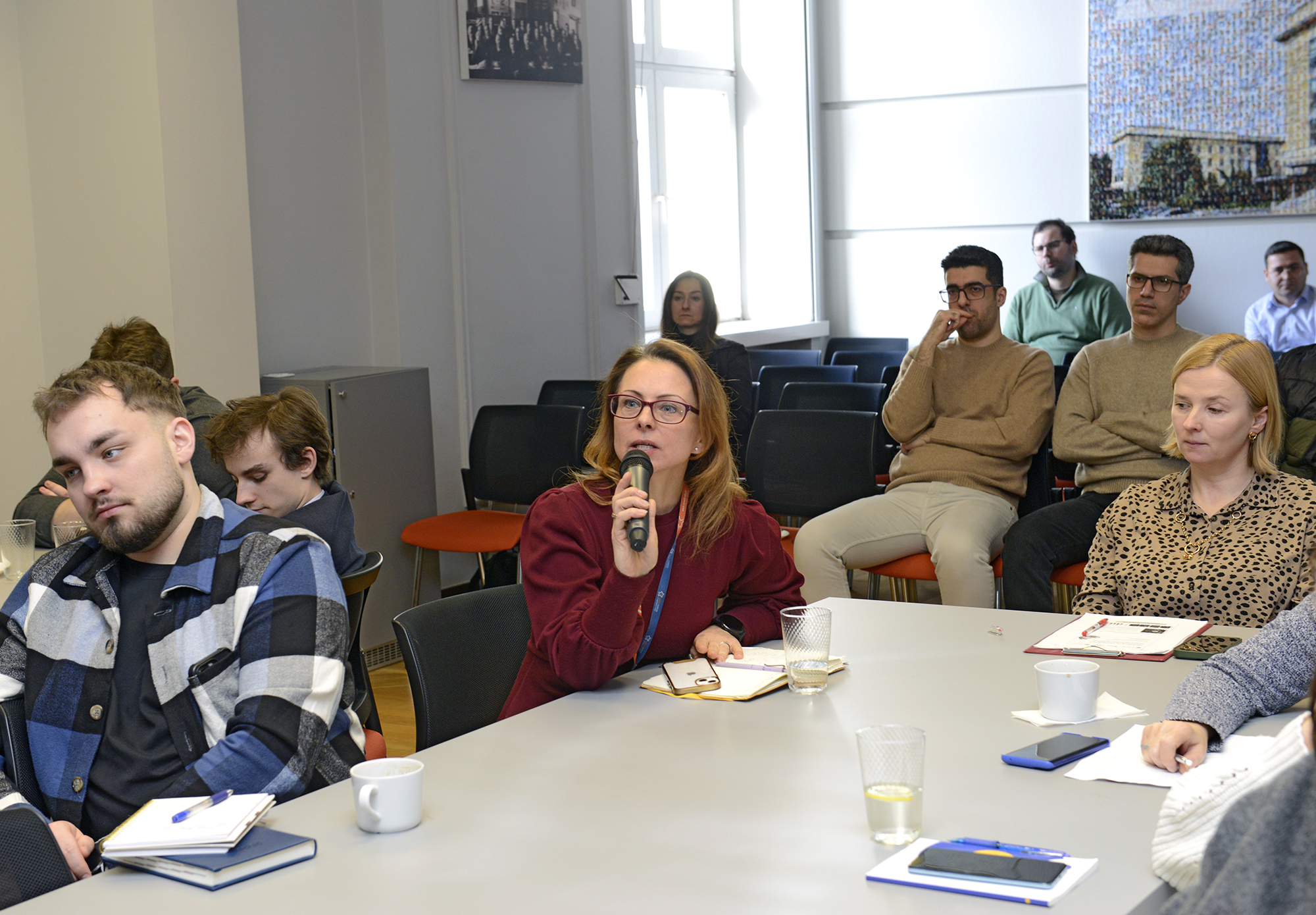
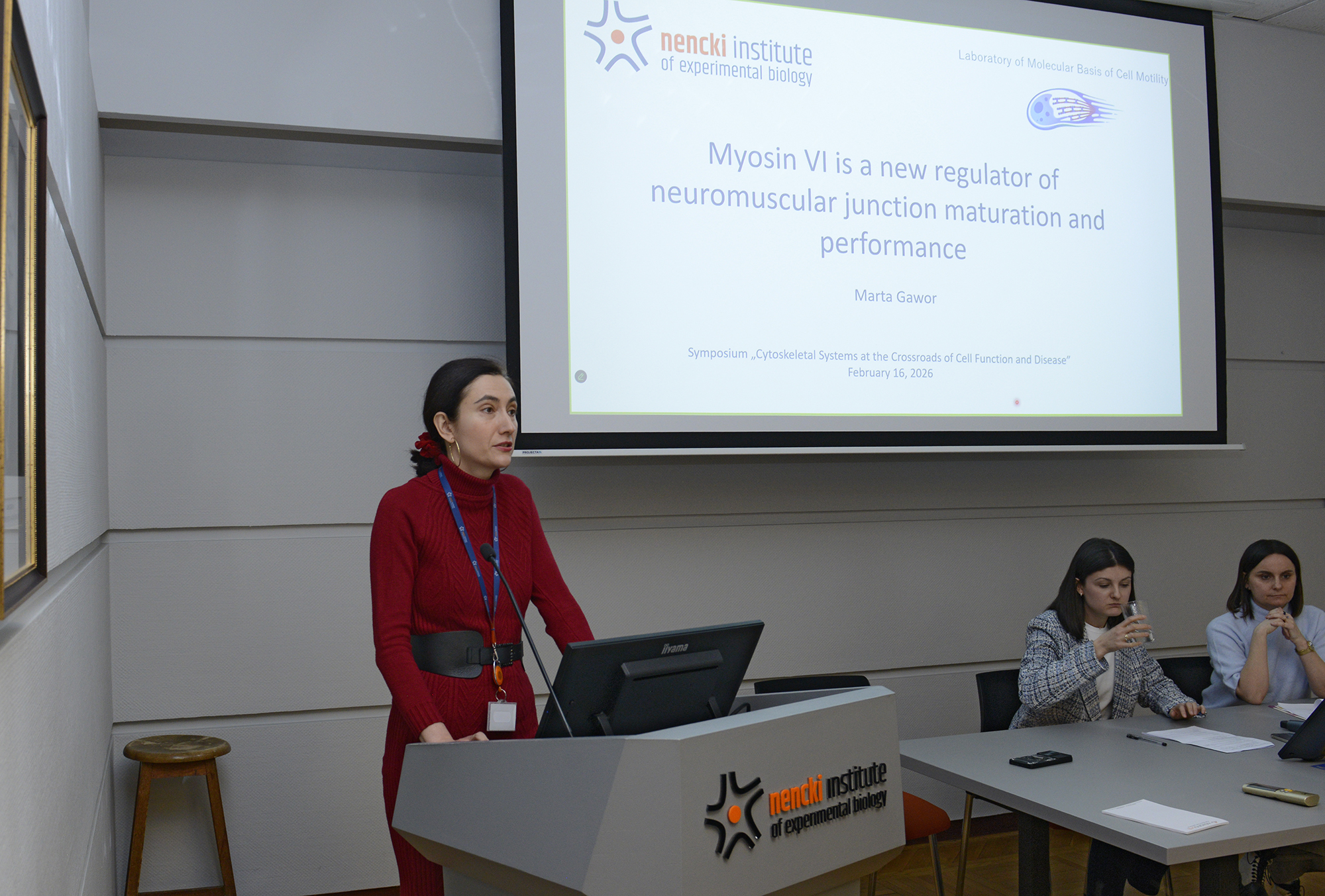
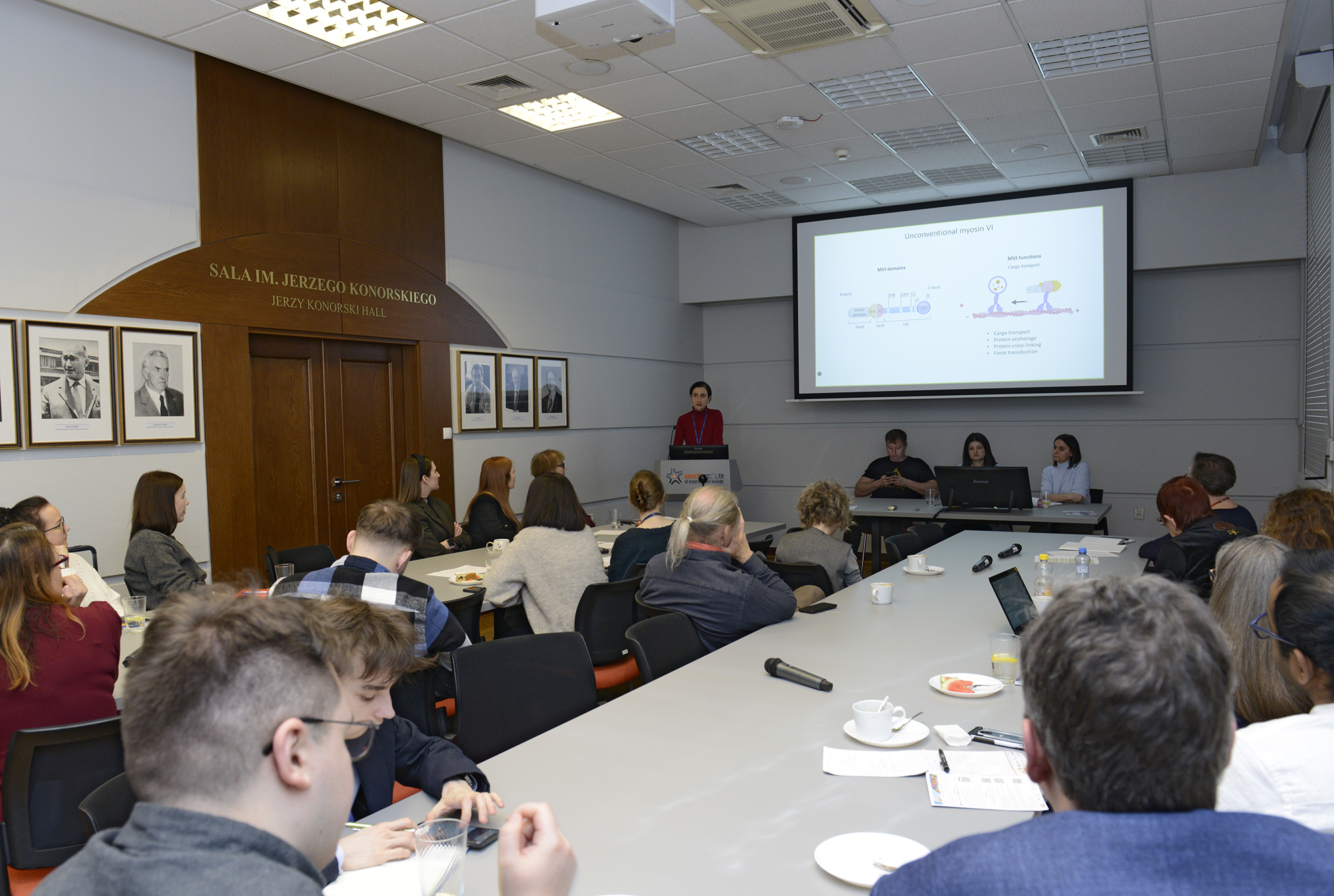
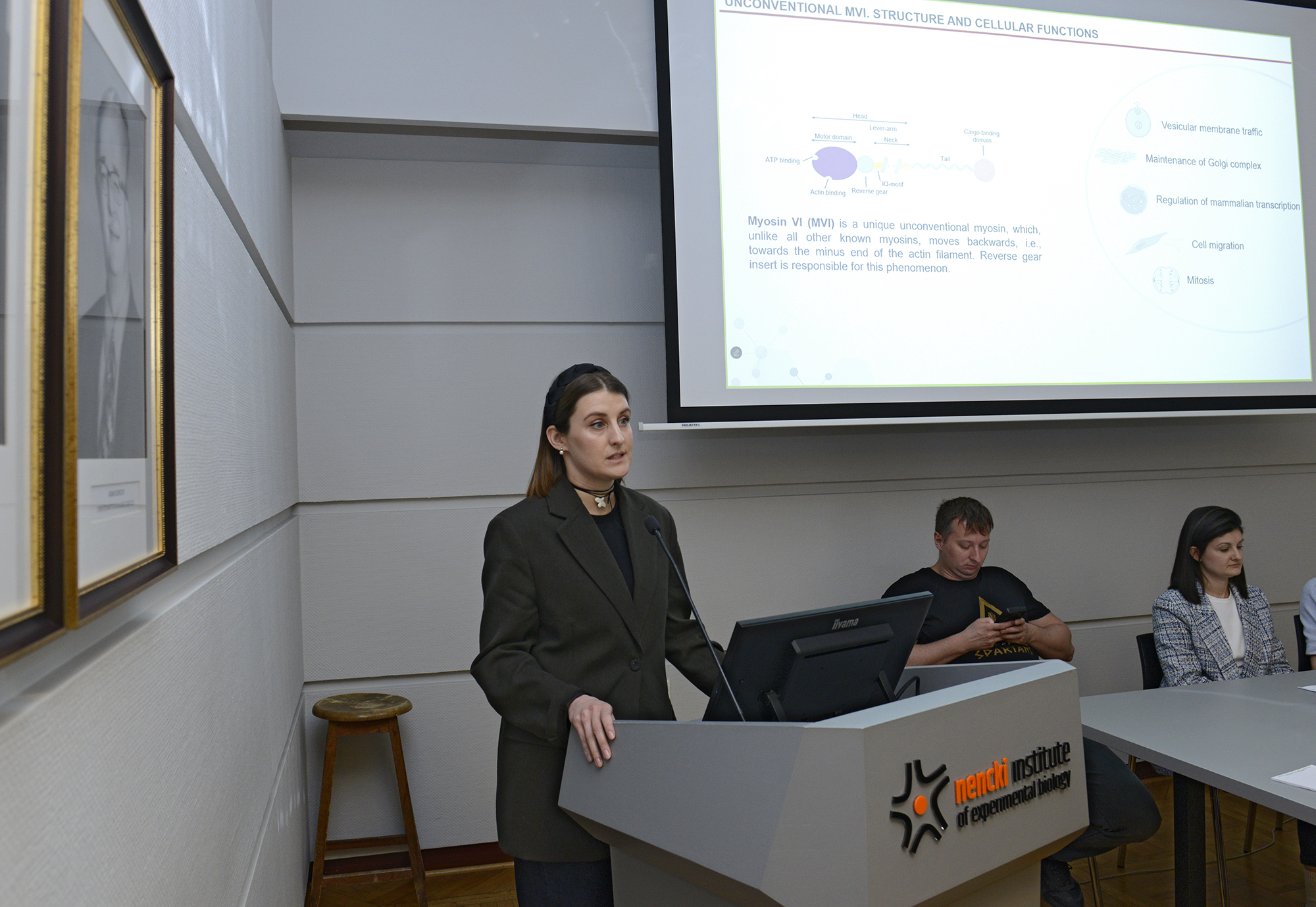
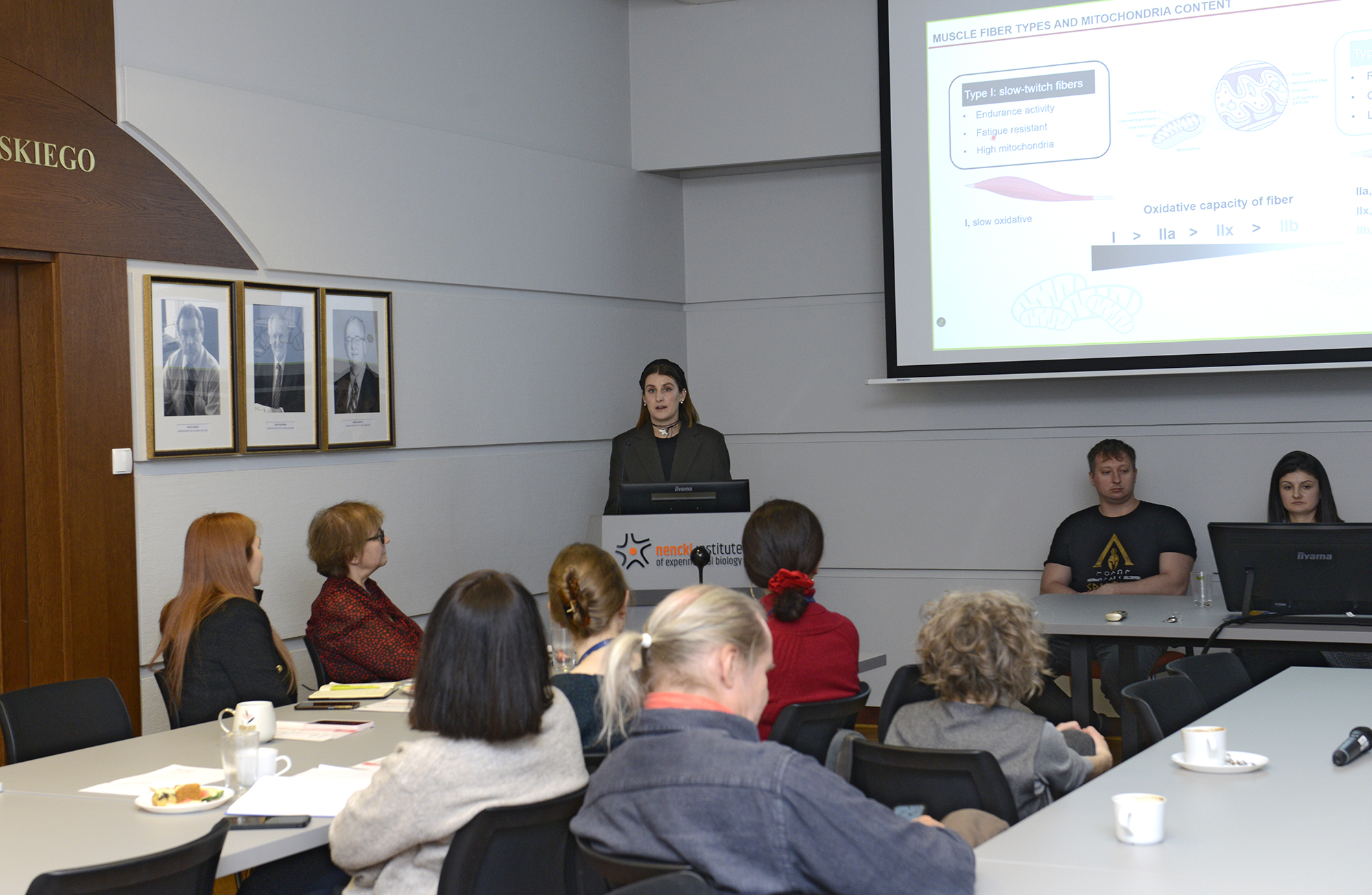
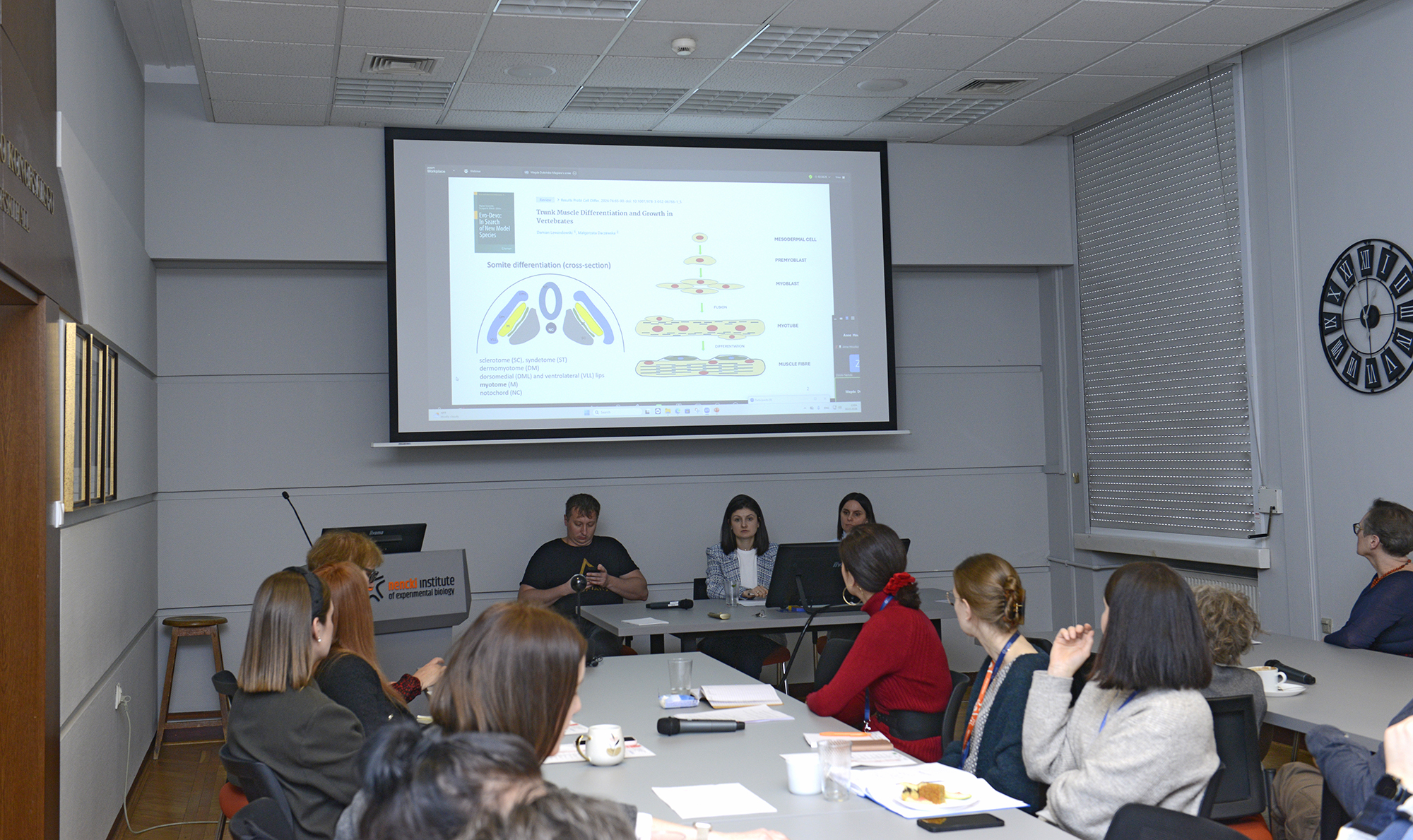
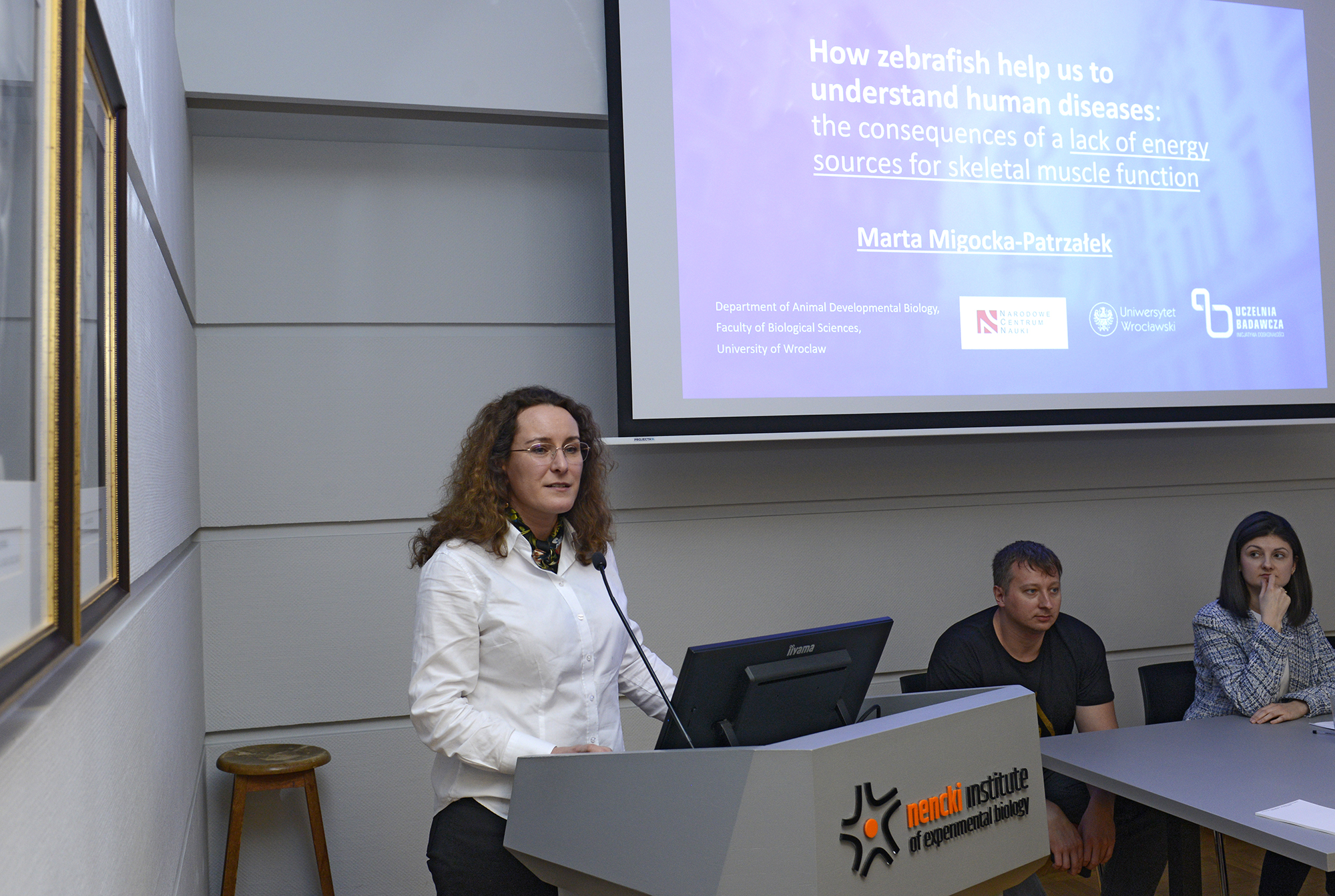
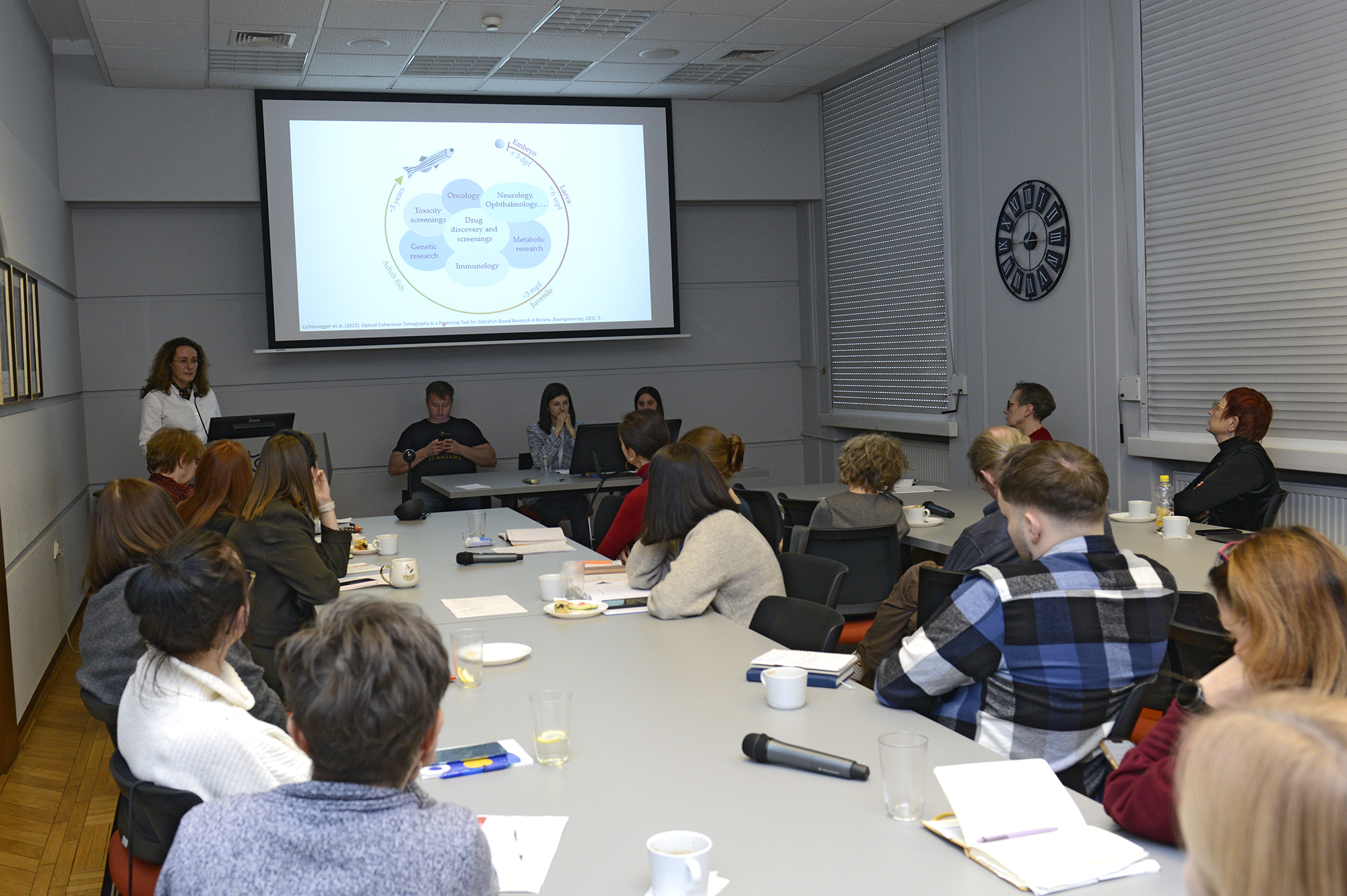
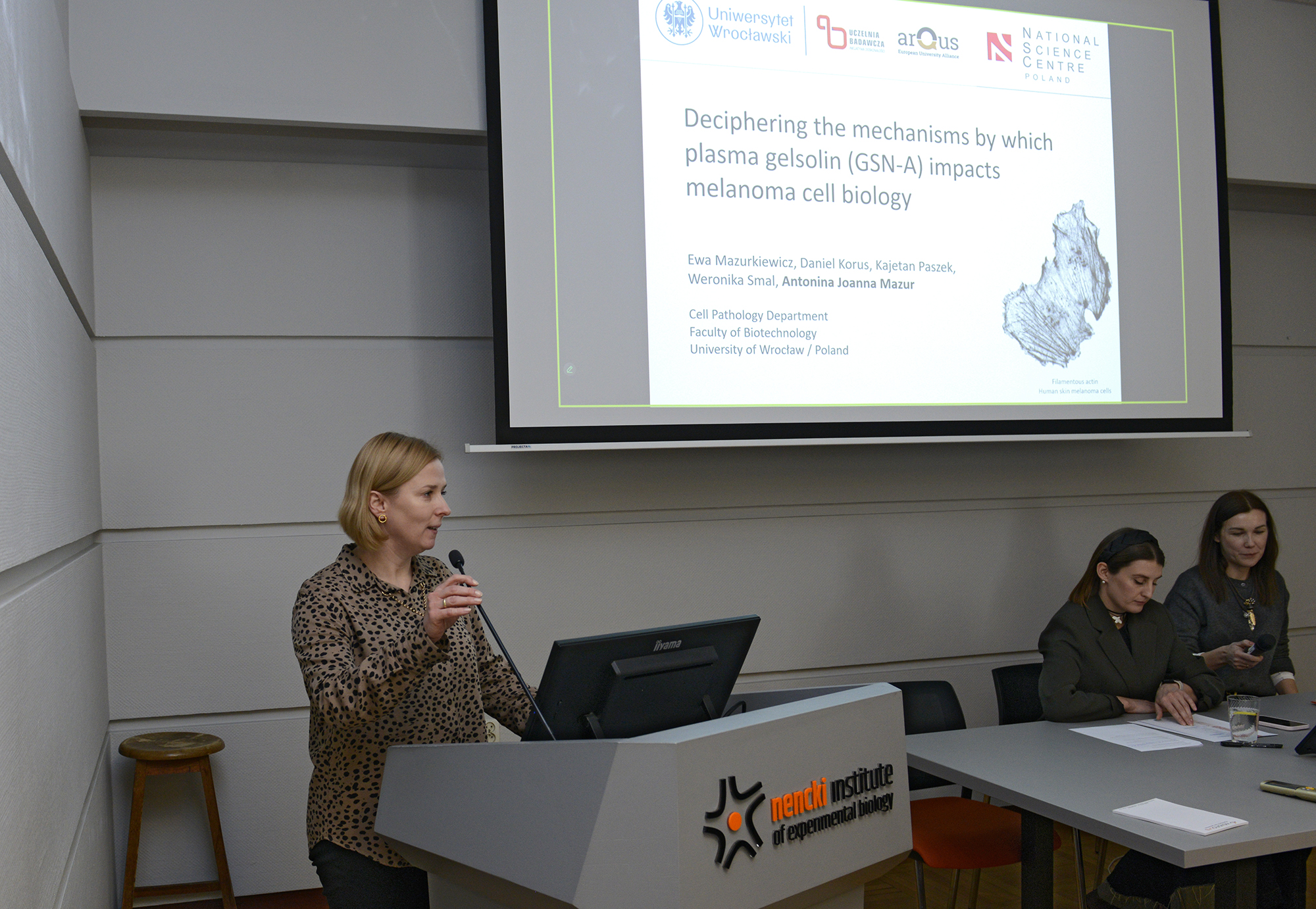
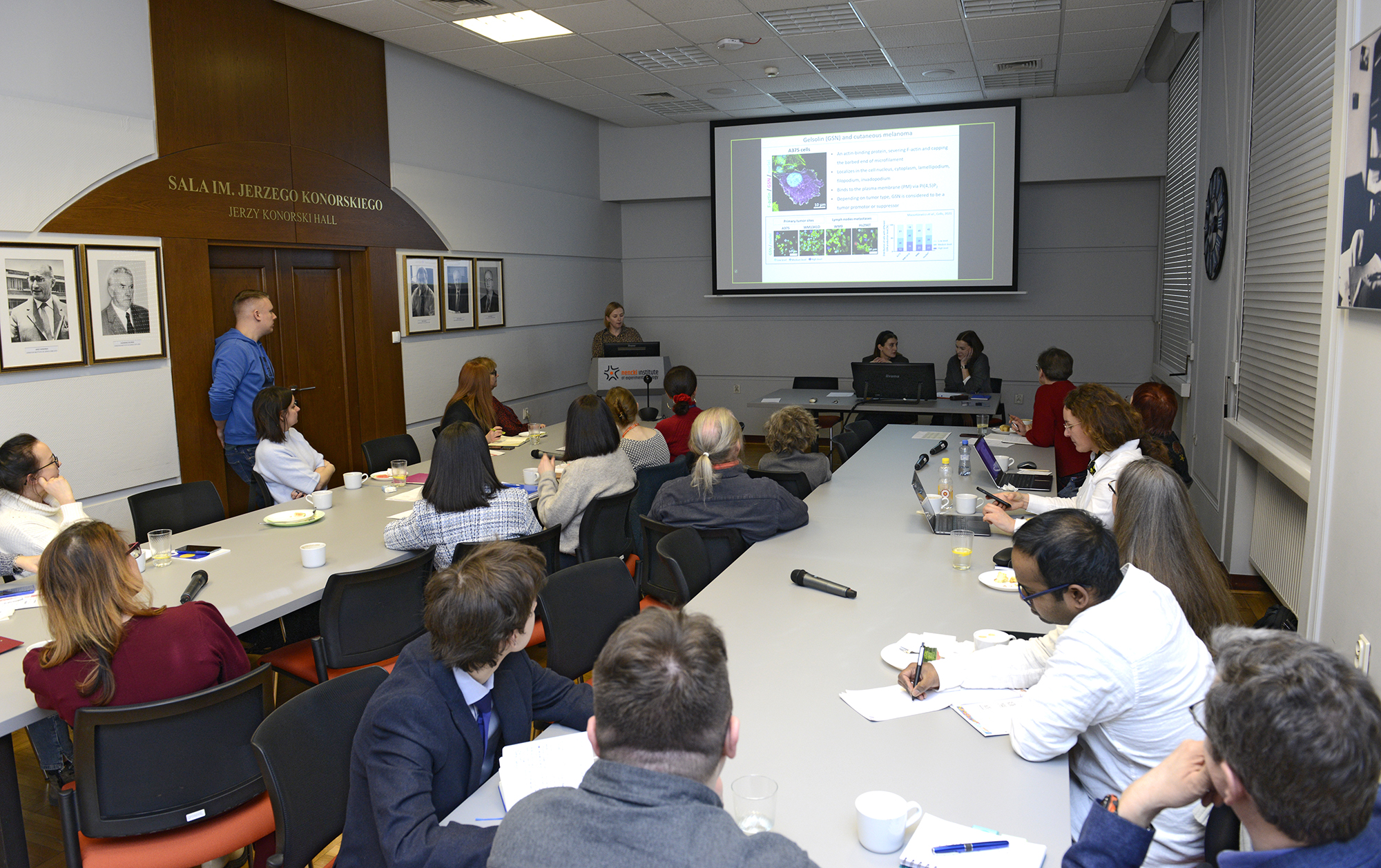
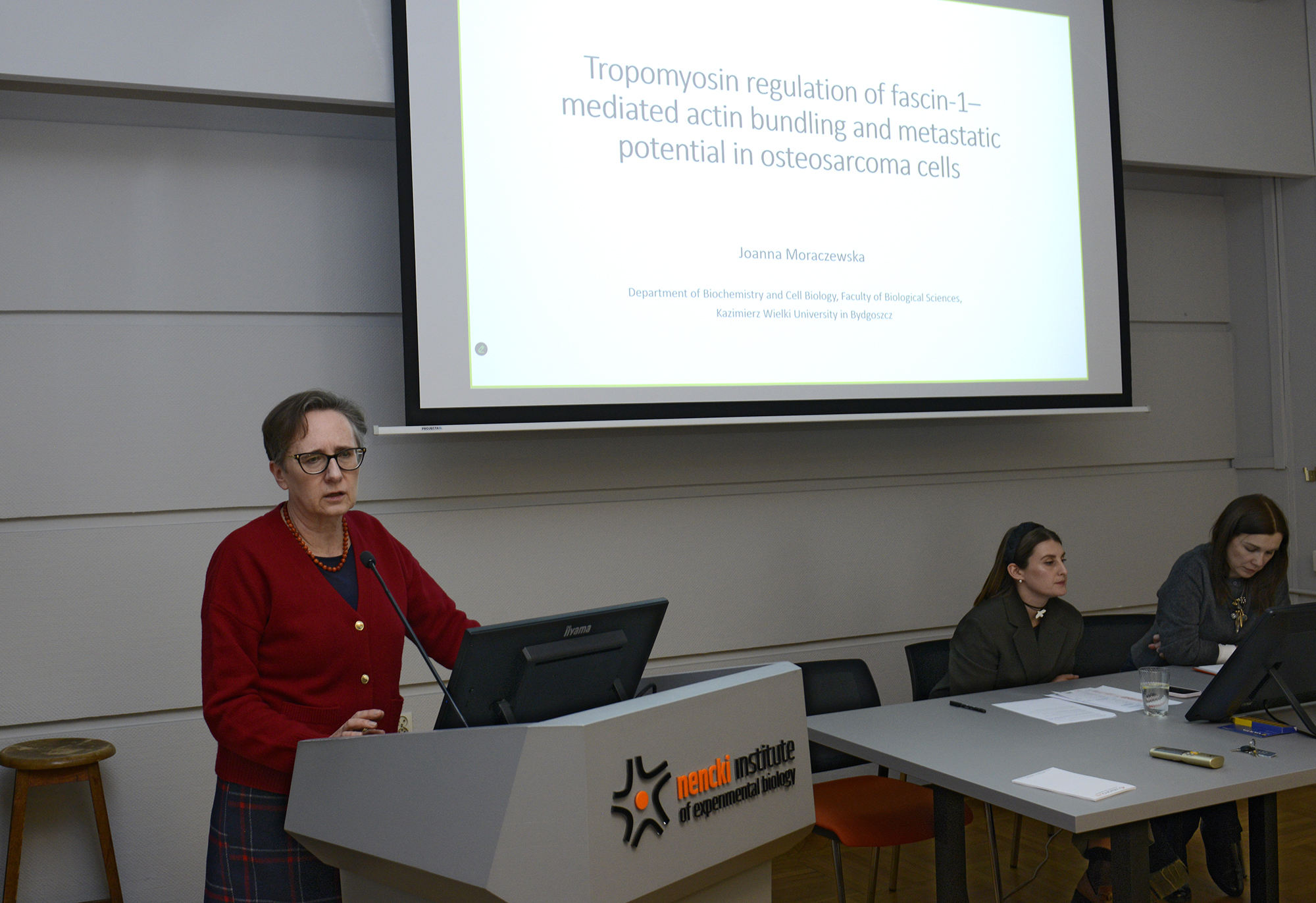
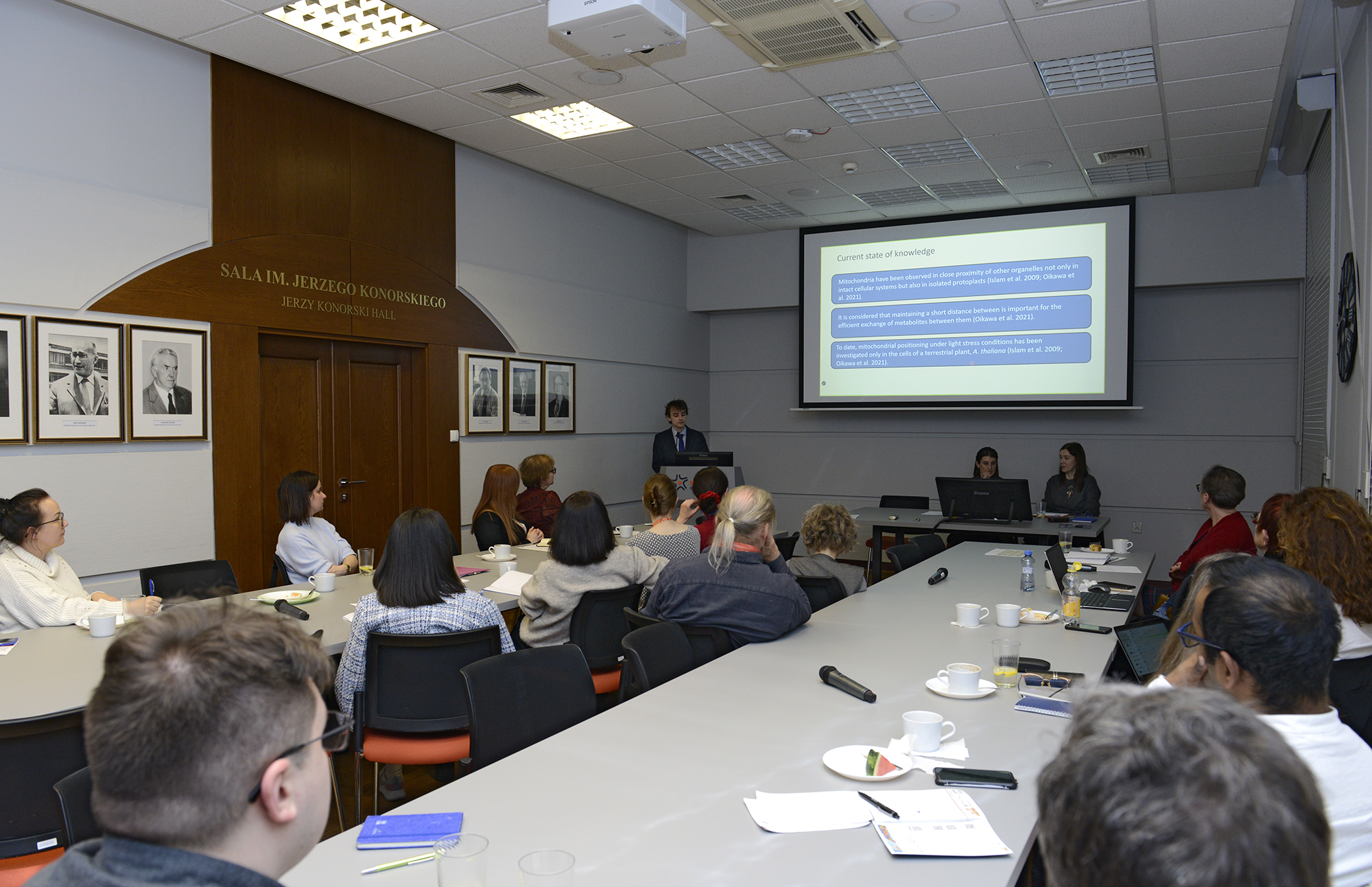
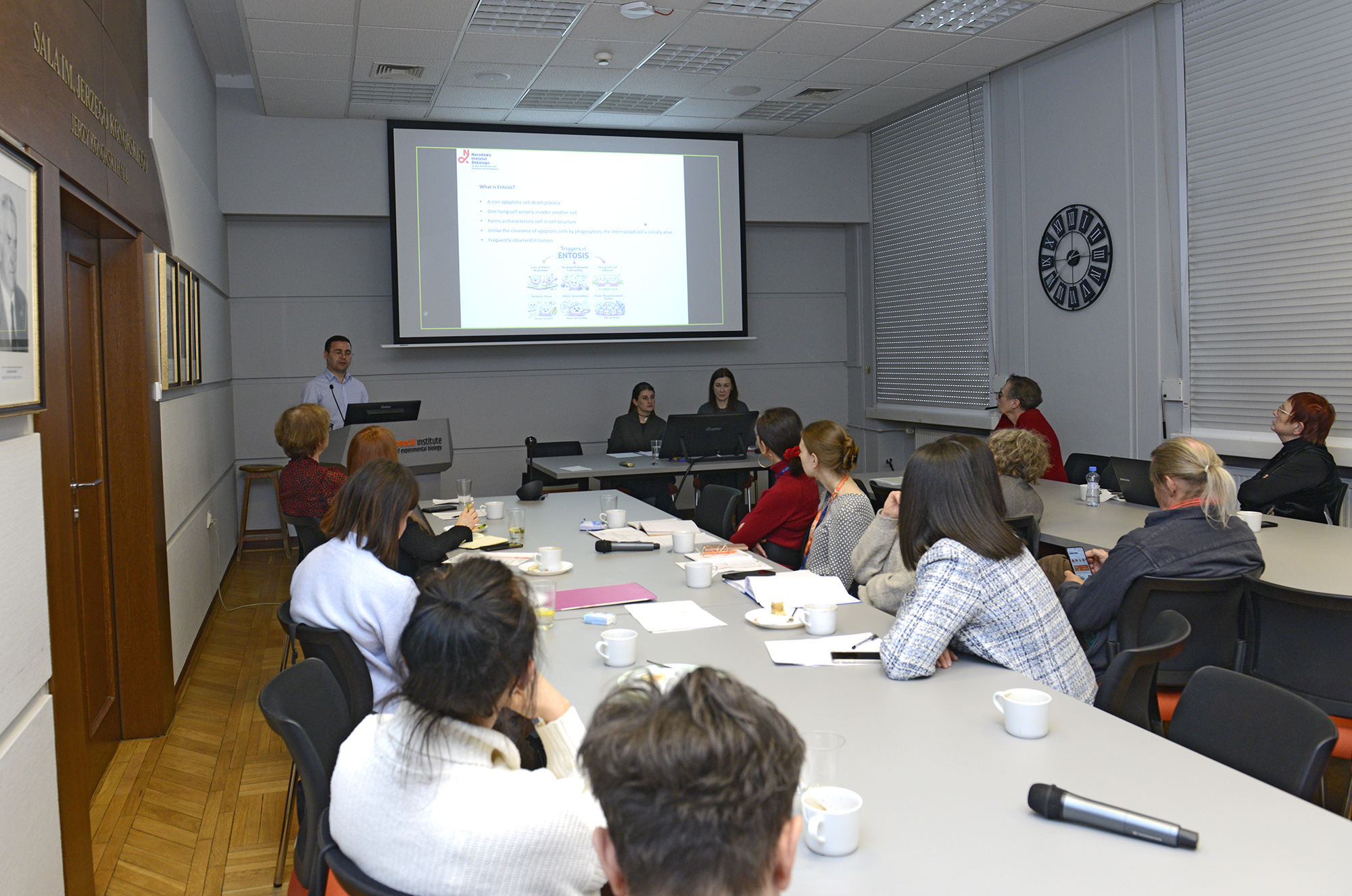
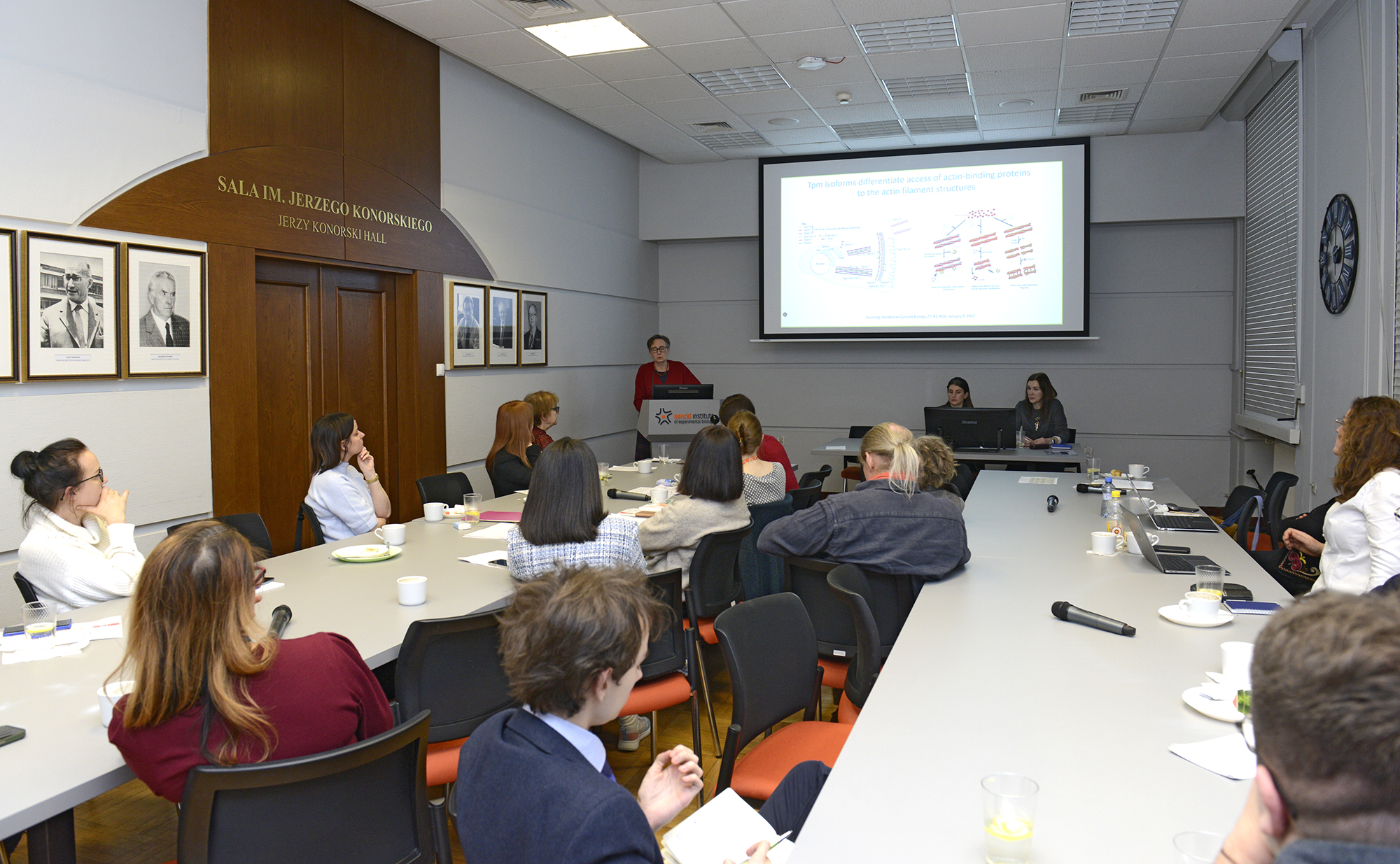
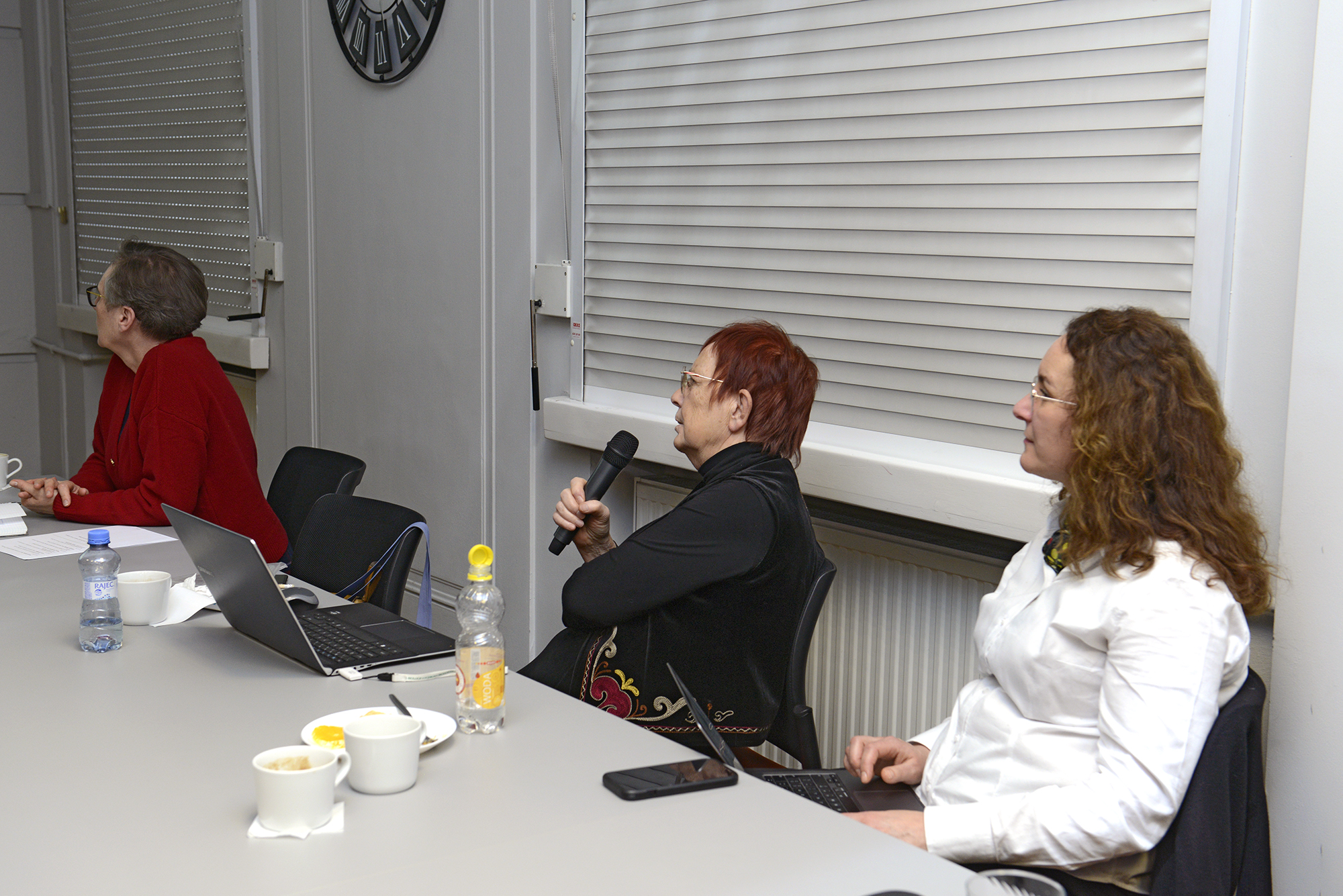
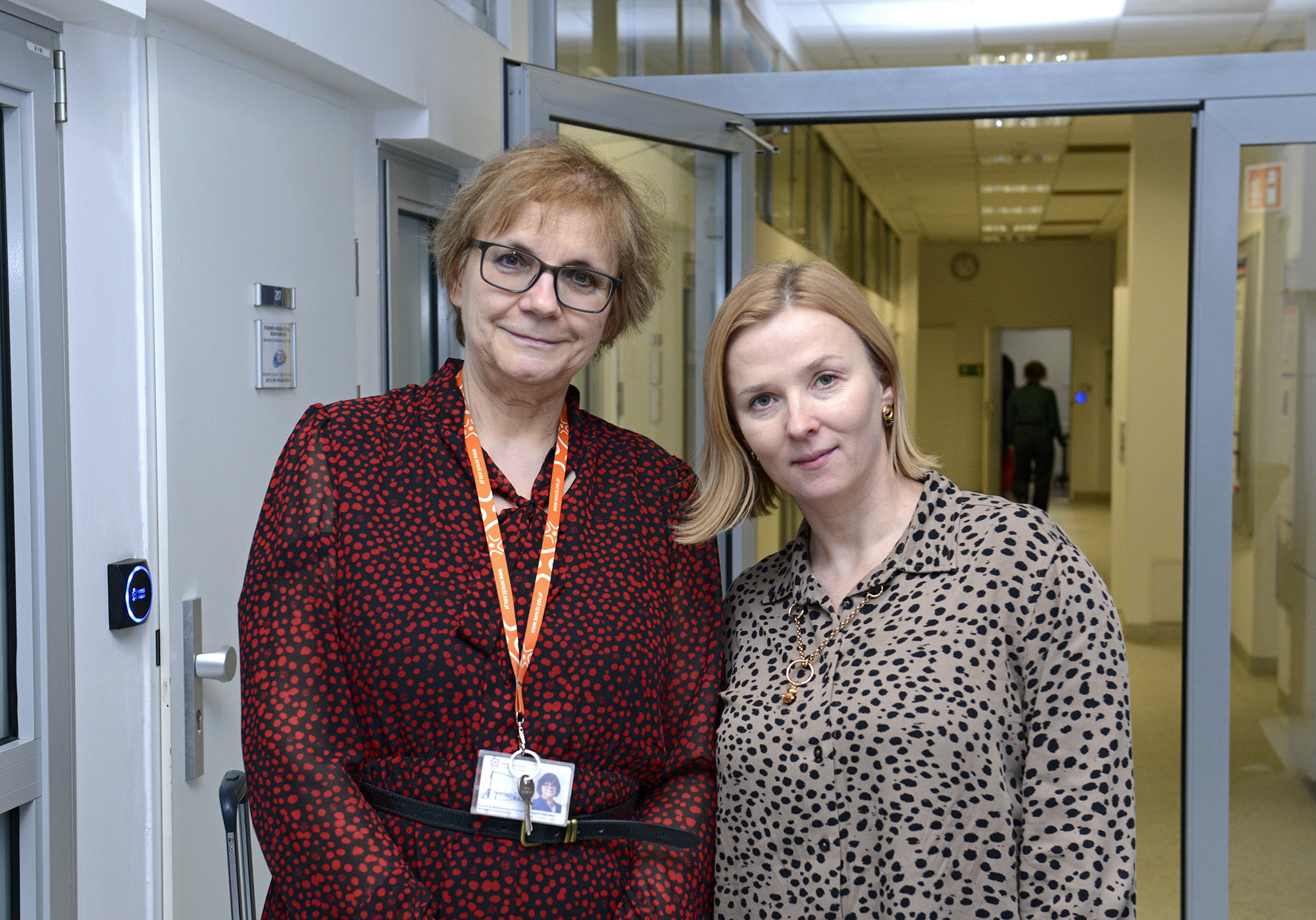
On February 16, the Symposium “Cytoskeletal Systems at the Crossroads of Cell Function and Disease” was held at the Nencki Institute. The event was organized by the Laboratory of Molecular Basis of Cell Motility of the Nencki Institute and the Faculty of Biological Sciences of Kazimierz Wielki University in Bydgoszcz, together with the Section on Molecular Mechanisms of Motility of the Polish Biochemical Society. The symposium was co-organized by Prof. Joanna Moraczewska from Kazimierz Wielki University in Bydgoszcz and Prof. Jolanta Rędowicz from the Nencki Institute.
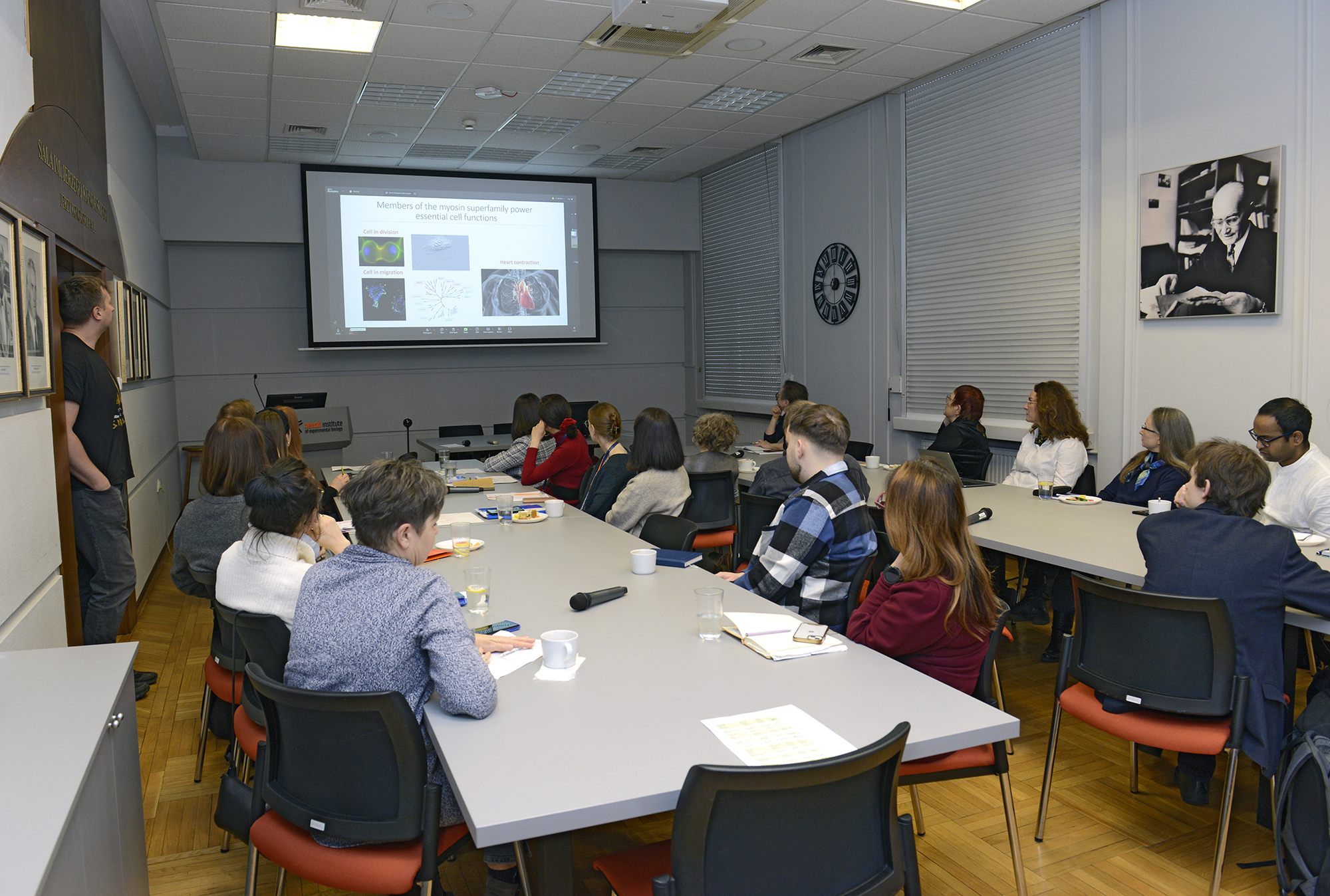
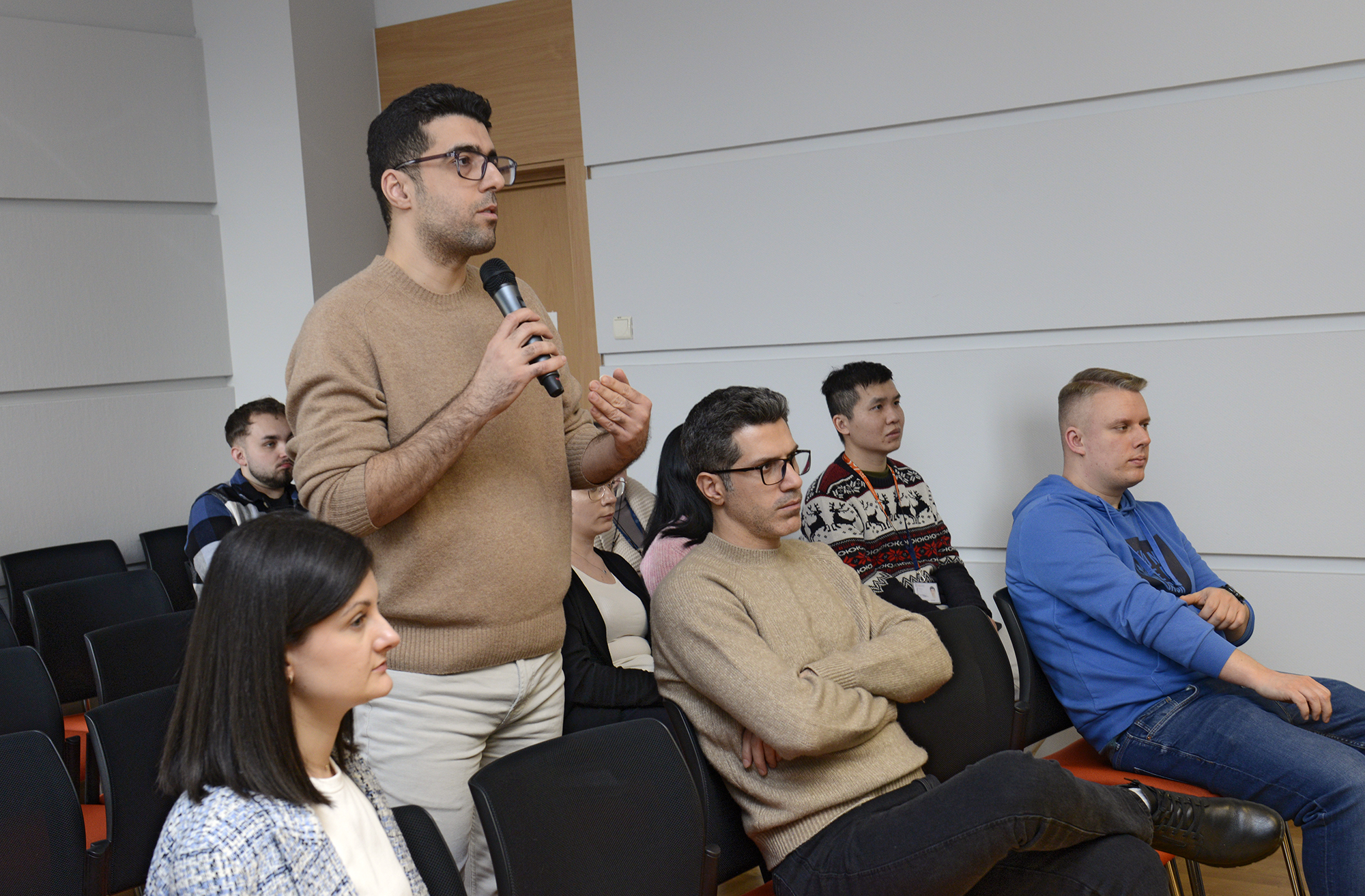
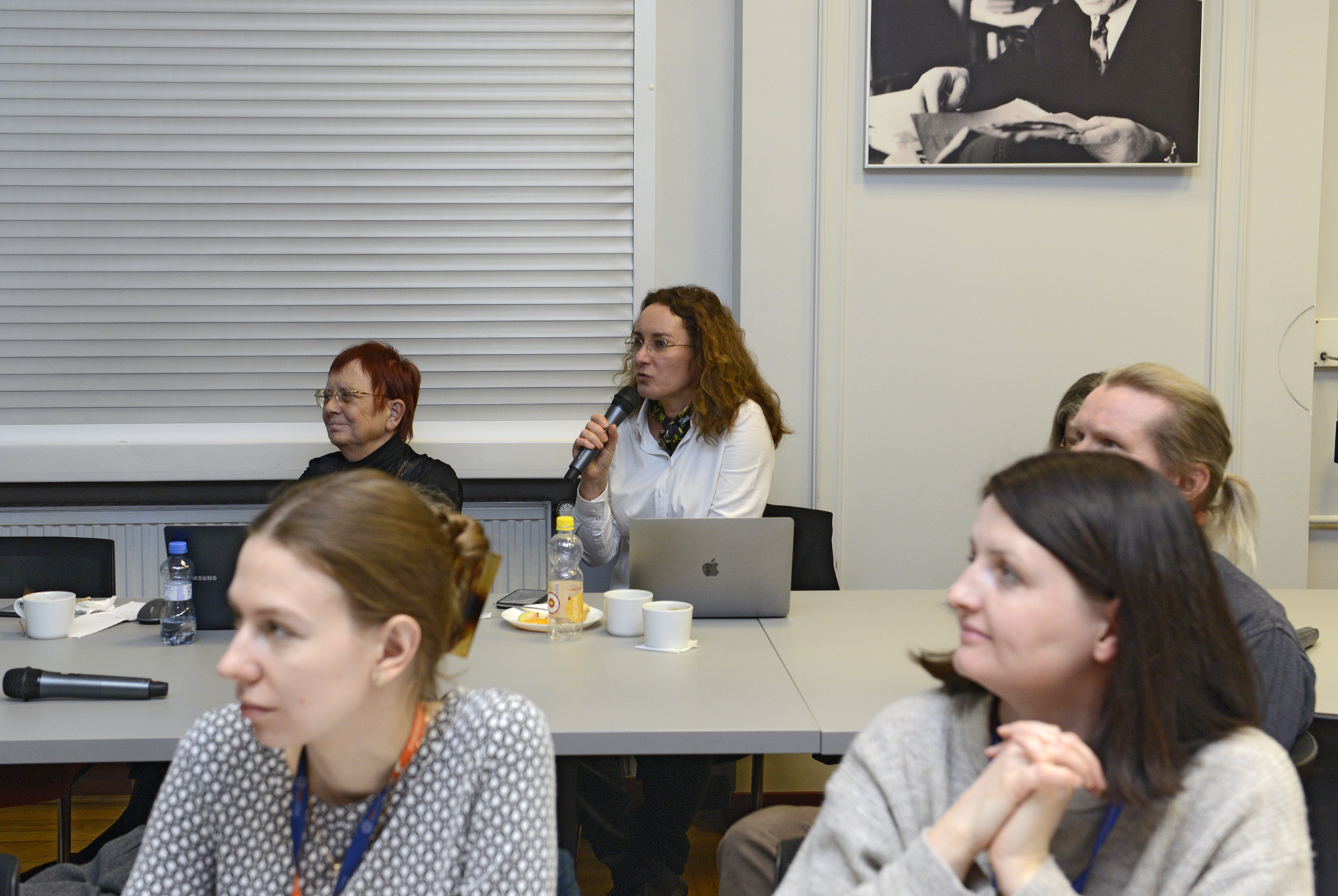
The symposium gathered over 40 participants from several Polish research institutions: Adam Mickiewicz University in Poznań, Nicolaus Copernicus University in Torun, Jagiellonian University, University of Warsaw, and Kazimierz Wielki University of Bydgoszcz, as well as the National Institute of Oncology, the International Institute of Molecular Biology, Institute of Biochemistry and Biophysics, and the Nencki Institute. Among the participants were PhD students and young researchers at the early stages of their scientific careers.
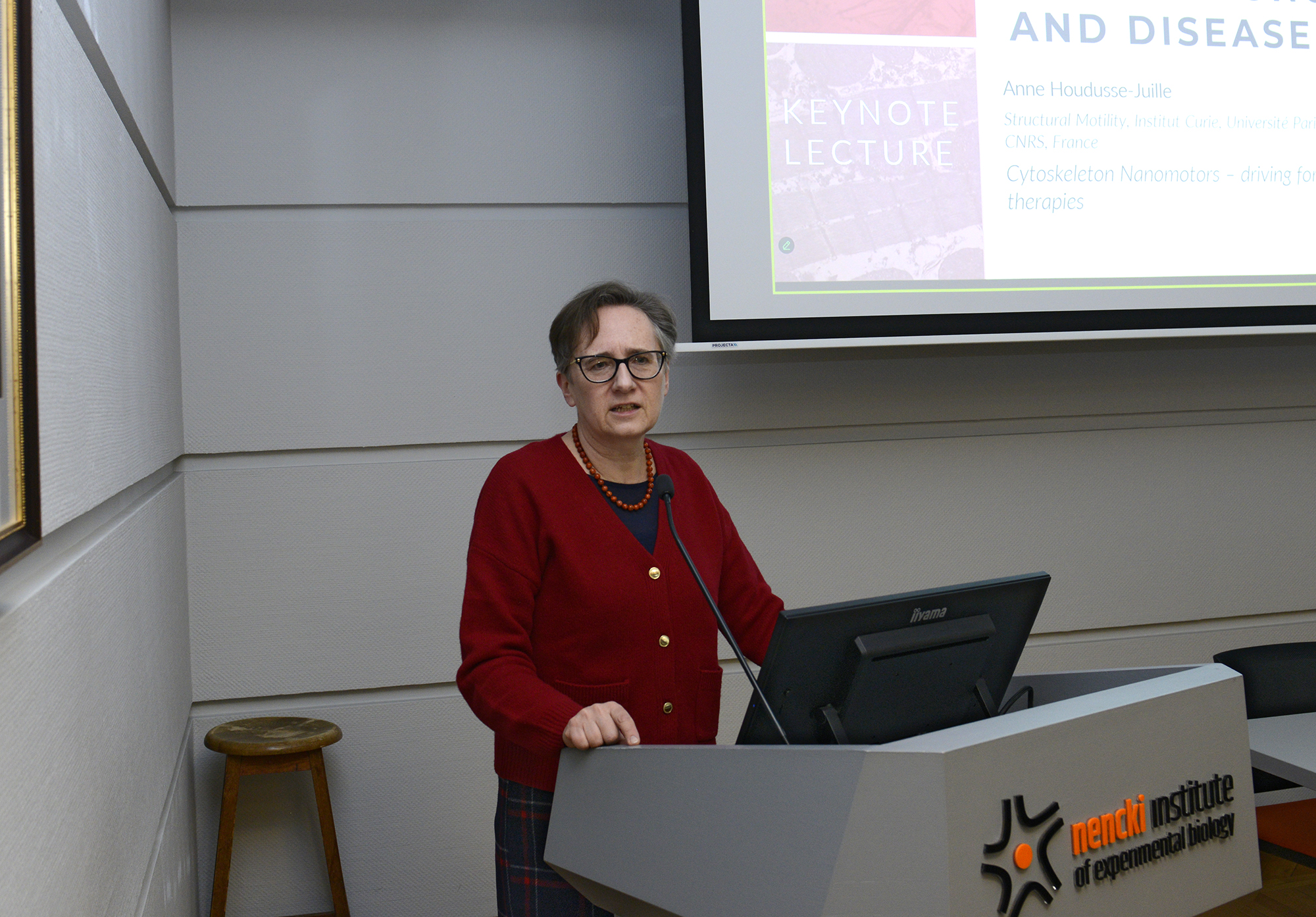
The Keynote Speaker was Prof. Anne Houdusse-Juille from Institut Curie in Paris, who delivered a lecture on “Cytoskeleton nanomotors - driving forces of life and targets for novel therapies”. Prof. Houdusse-Juille, a member of the European Molecular Biology Organization (since 2013) and the French Academy of Sciences (Institut de France; since 2019), is also affiliated with Université Paris Sciences et Lettres, Sorbonne Université, and CNRS. She received numerous prestigious distinctions, including FEBS/EMBO Women in Science Award (in 2009). She leads the Structural Motility Team at Institut Curie, which focuses on uncovering the mechanisms of force generation by motor proteins using high-resolution crystallography and cry-electron microscopy.
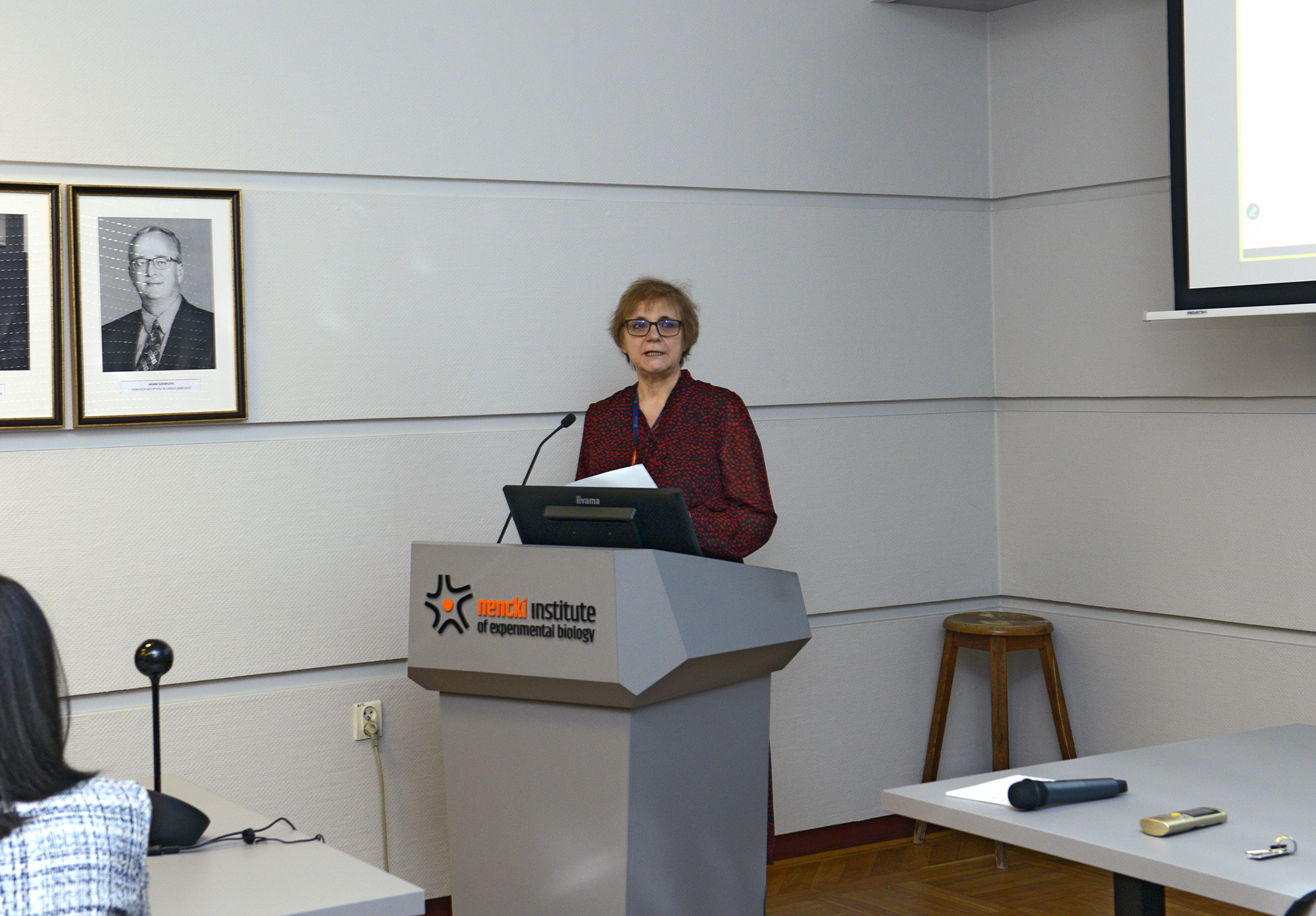
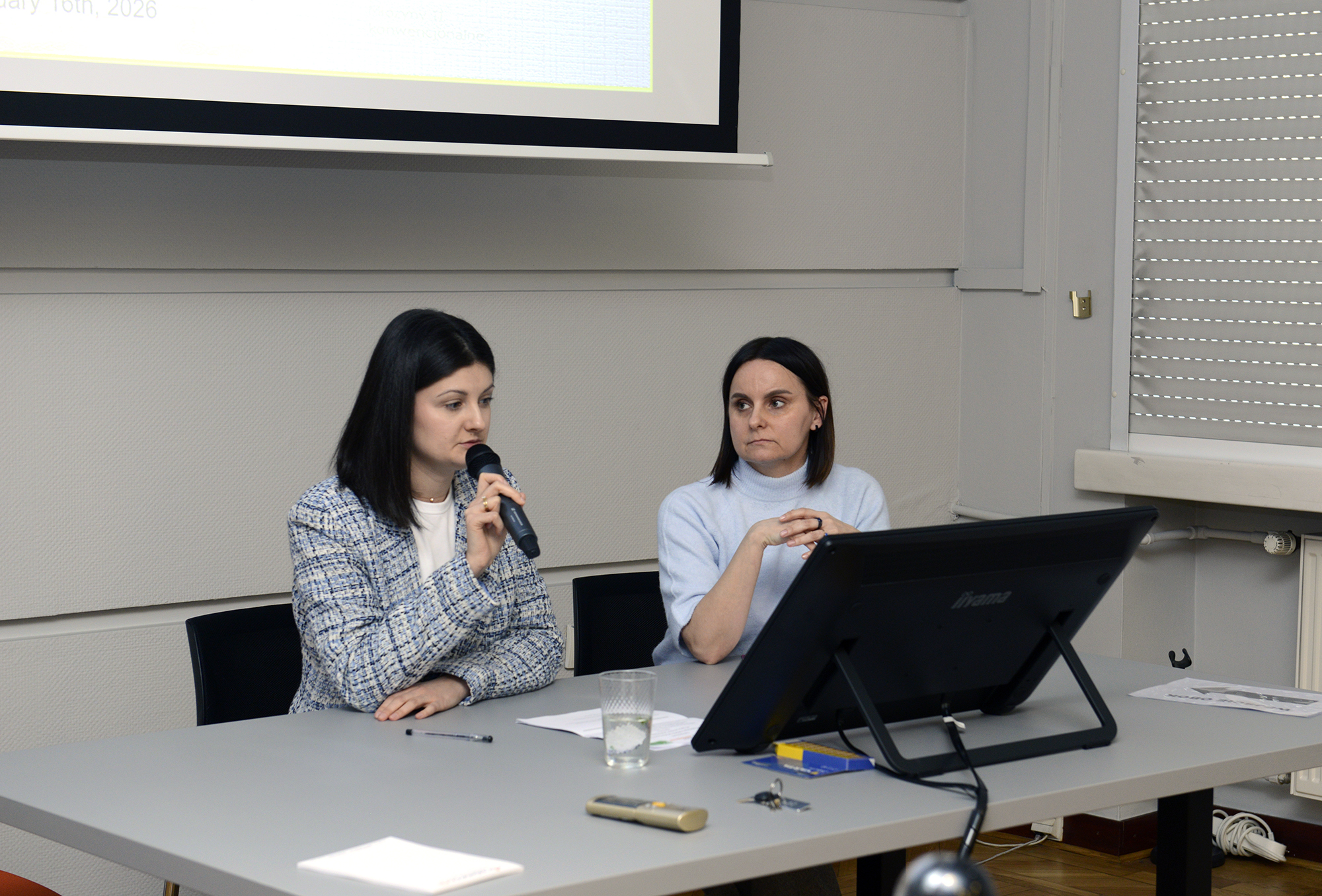
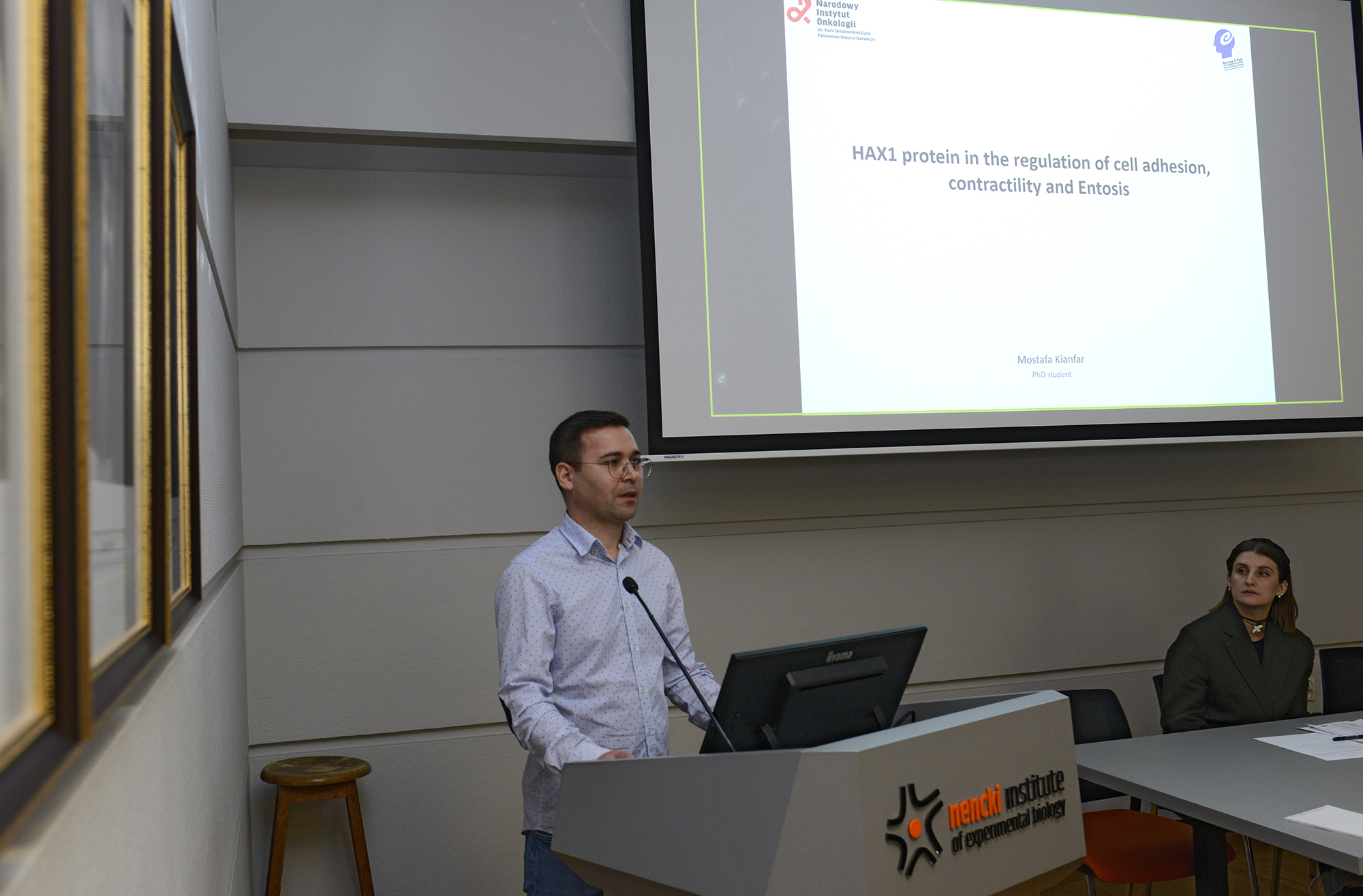
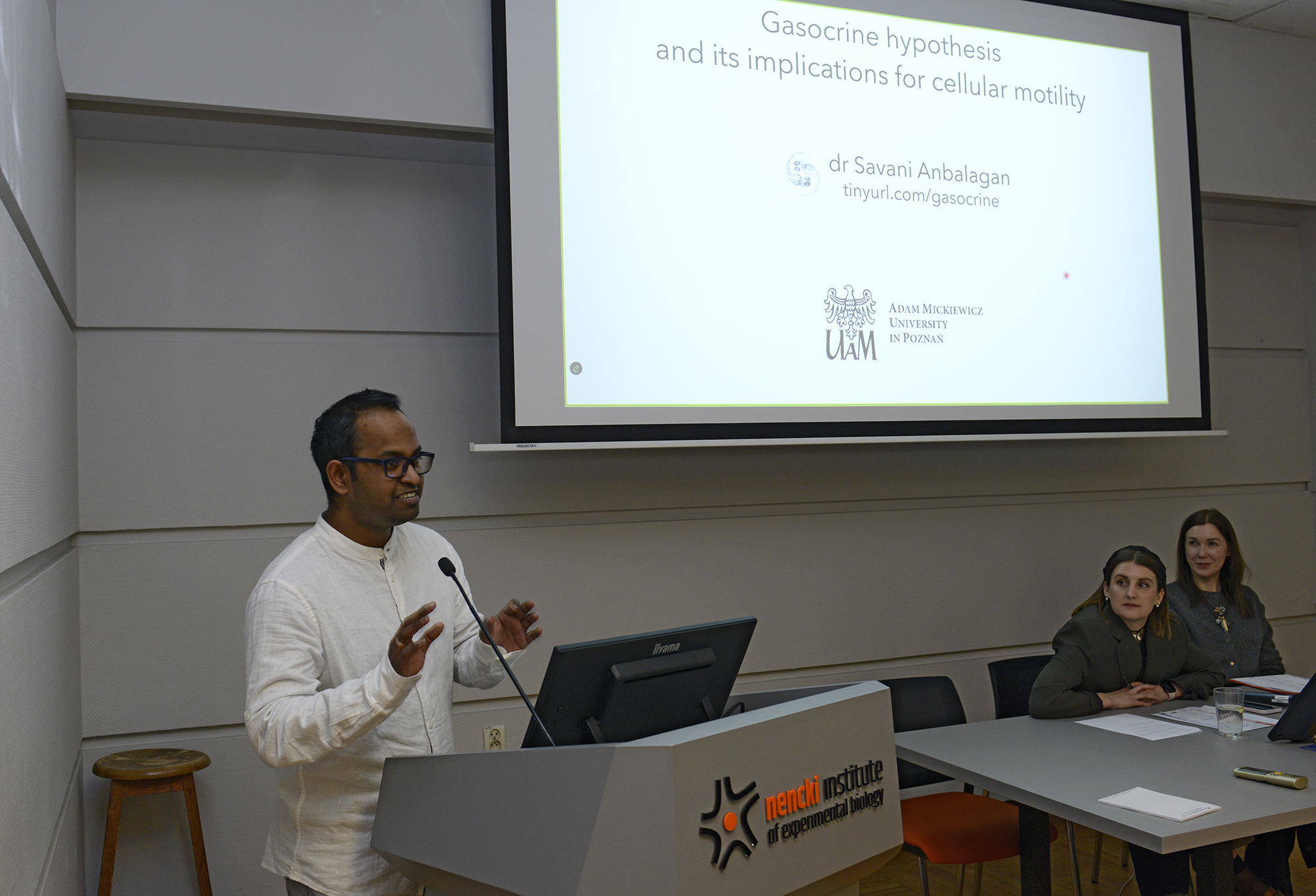
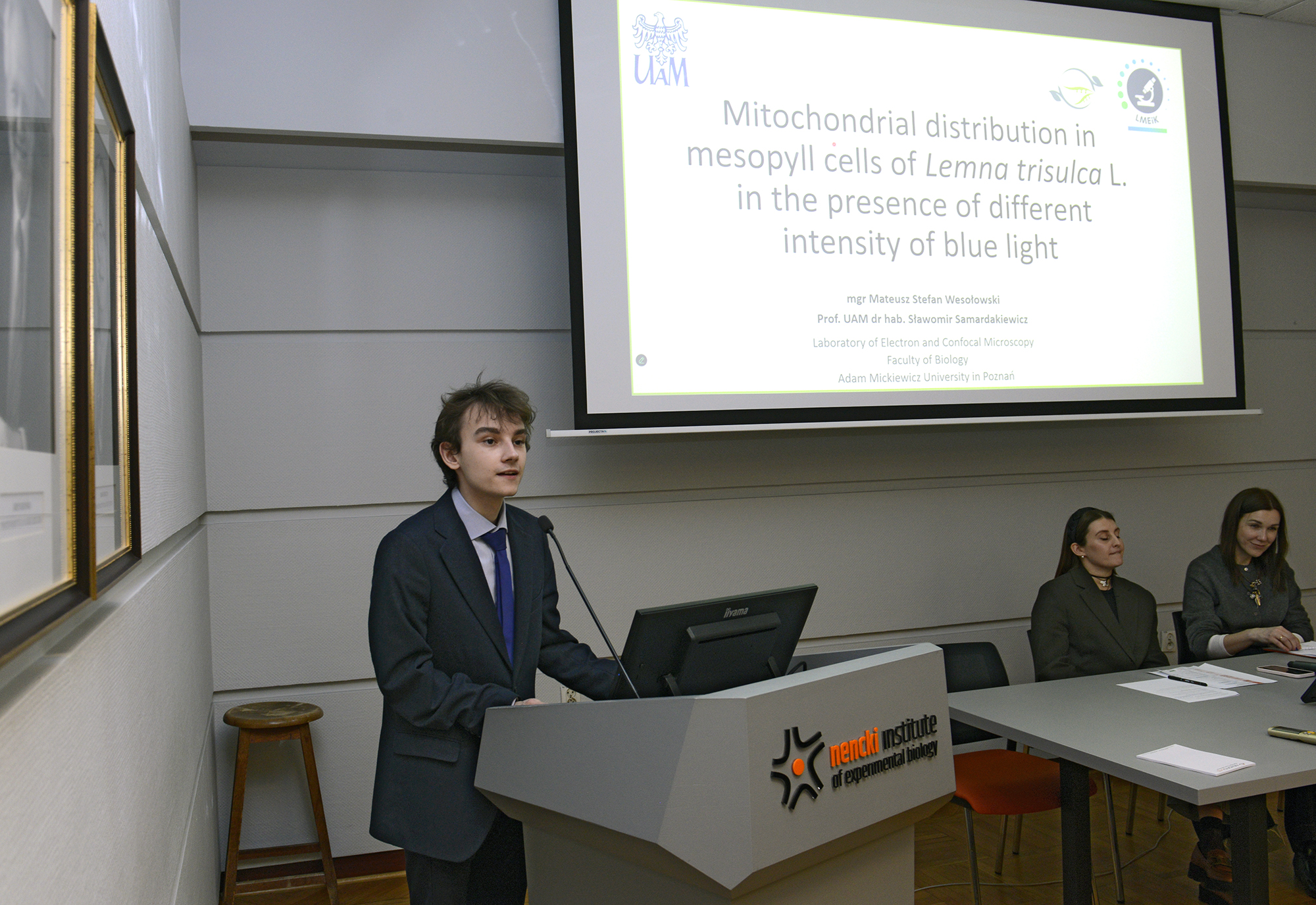
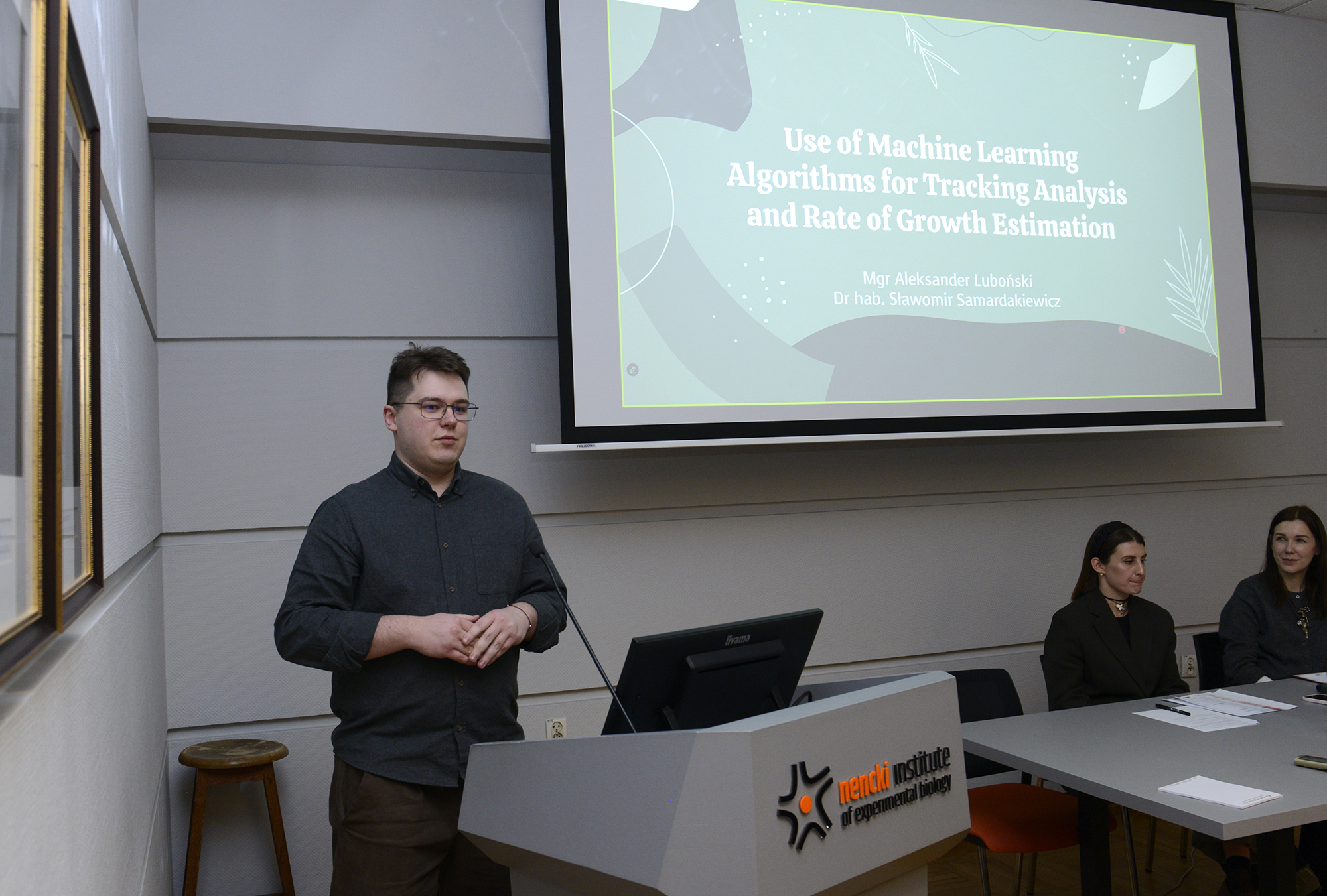
The Symposium comprised two sessions, chaired by Dr. Olena Karatsai-Miąskowska and Dr. Liliia Lehka from the Nencki Institute, together with Dr. Małgorzata Siatkowska and Dr. Katarzyna Robaszkiewicz from Kazimierz Wielki University in Bydgoszcz. During these sessions, the twelve participants who submitted abstracts had the opportunity to present their latest research achievements.
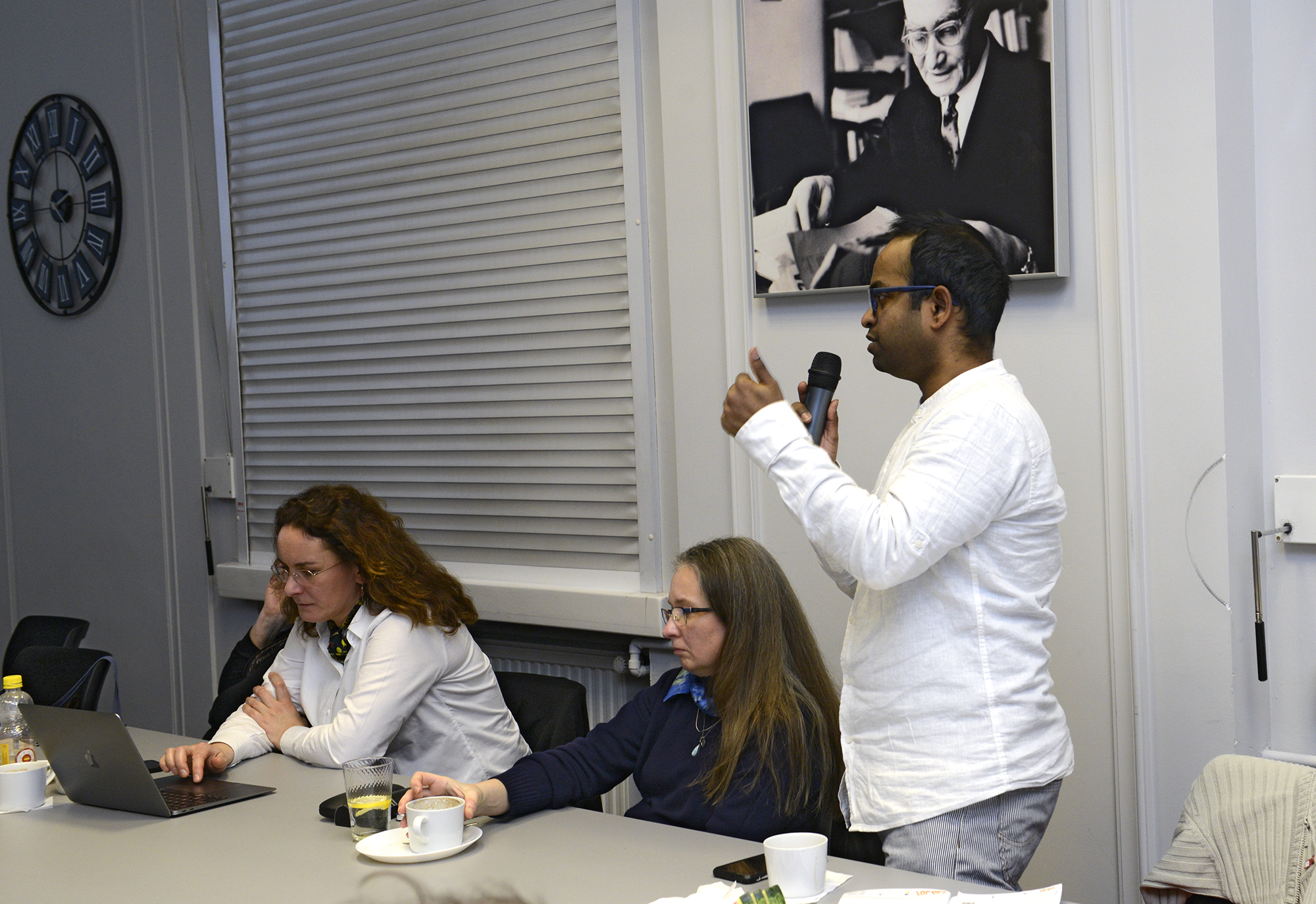
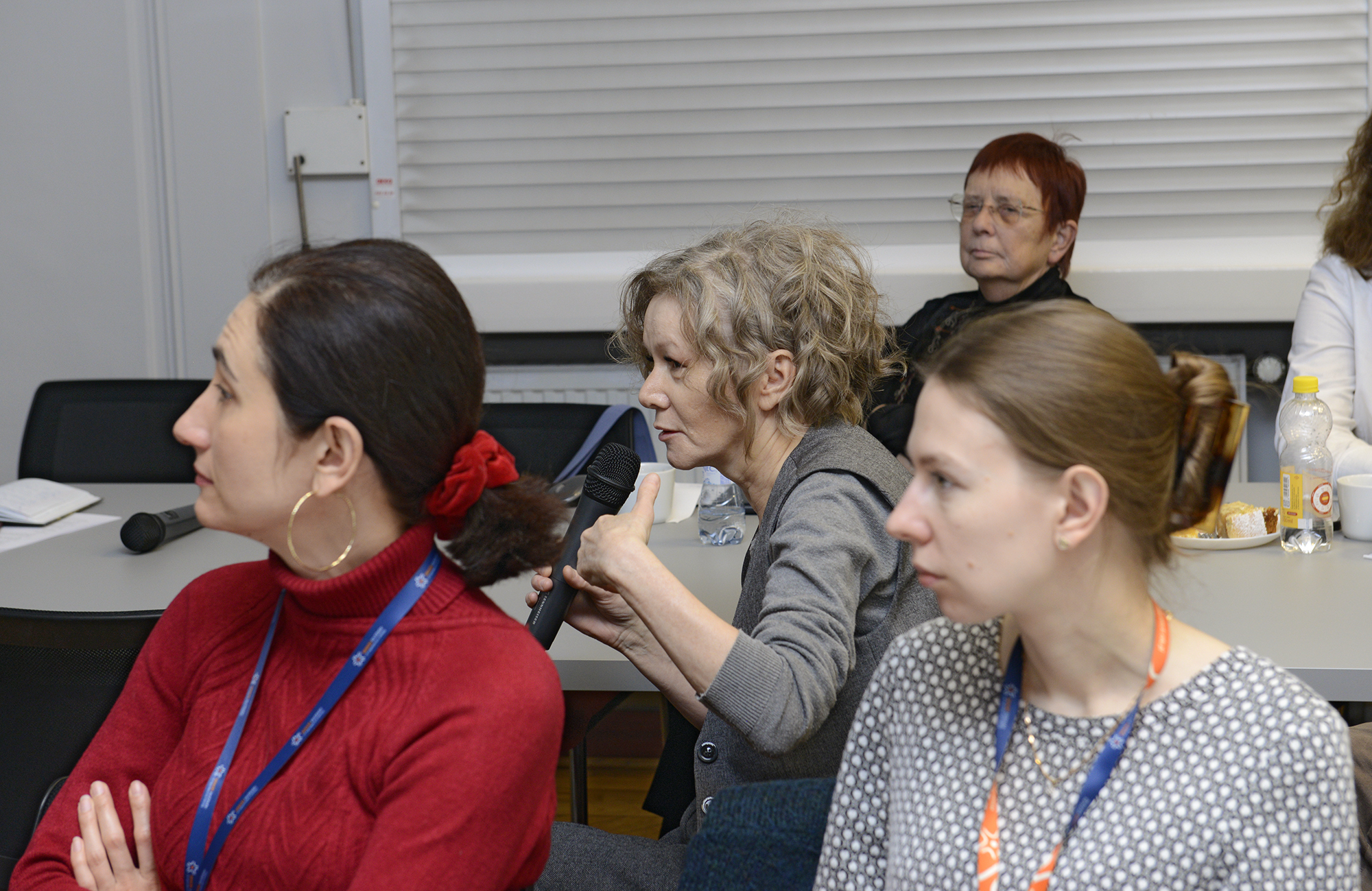
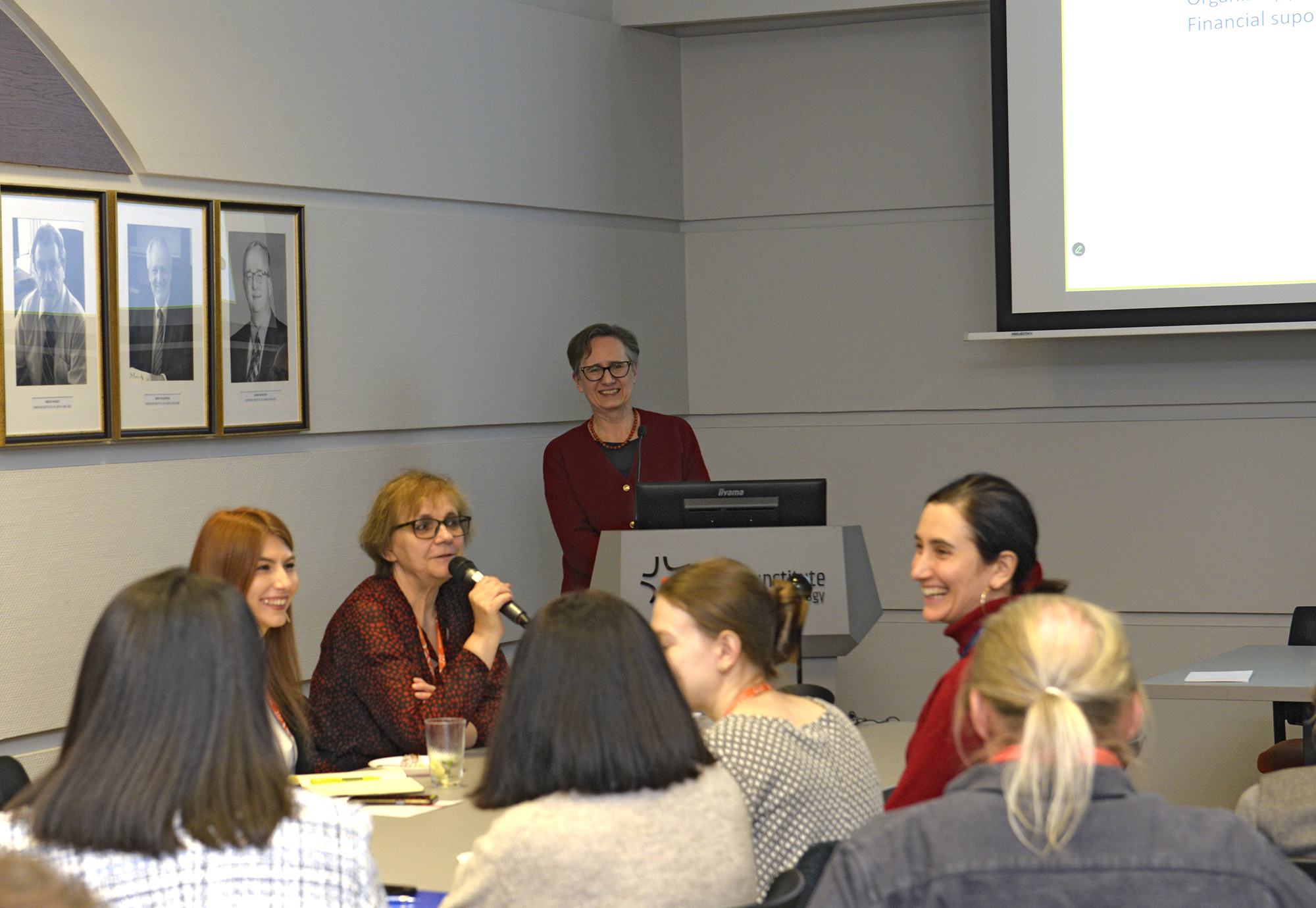
The final part of the Symposium was devoted to a discussion on the plans and prospects for future activities of the motility sections. All participants agreed that a symposium in this format should be held annually as a platform for exchanging results and ideas among scientists working in this fascinating field. Of note, research on cell motility at Nencki Institute has a long-standing tradition, dating back to the pre–World War II times.
The Symposium was supported by the EMERALD programme, whose mission is to enhance the partnership between European Molecular Biology Laboratories (EMBL) and the Polish life science community, opening new avenues for collaboration, training, and cutting-edge research.
Project EMERALD is supported by the Minister of Science and Higher Education of the Republic of Poland special task no. MNiSW/2024/DWM/272.
Date
24 February 2026
Gallery