
News
Reporting Session of Nencki Institute Scientific Council
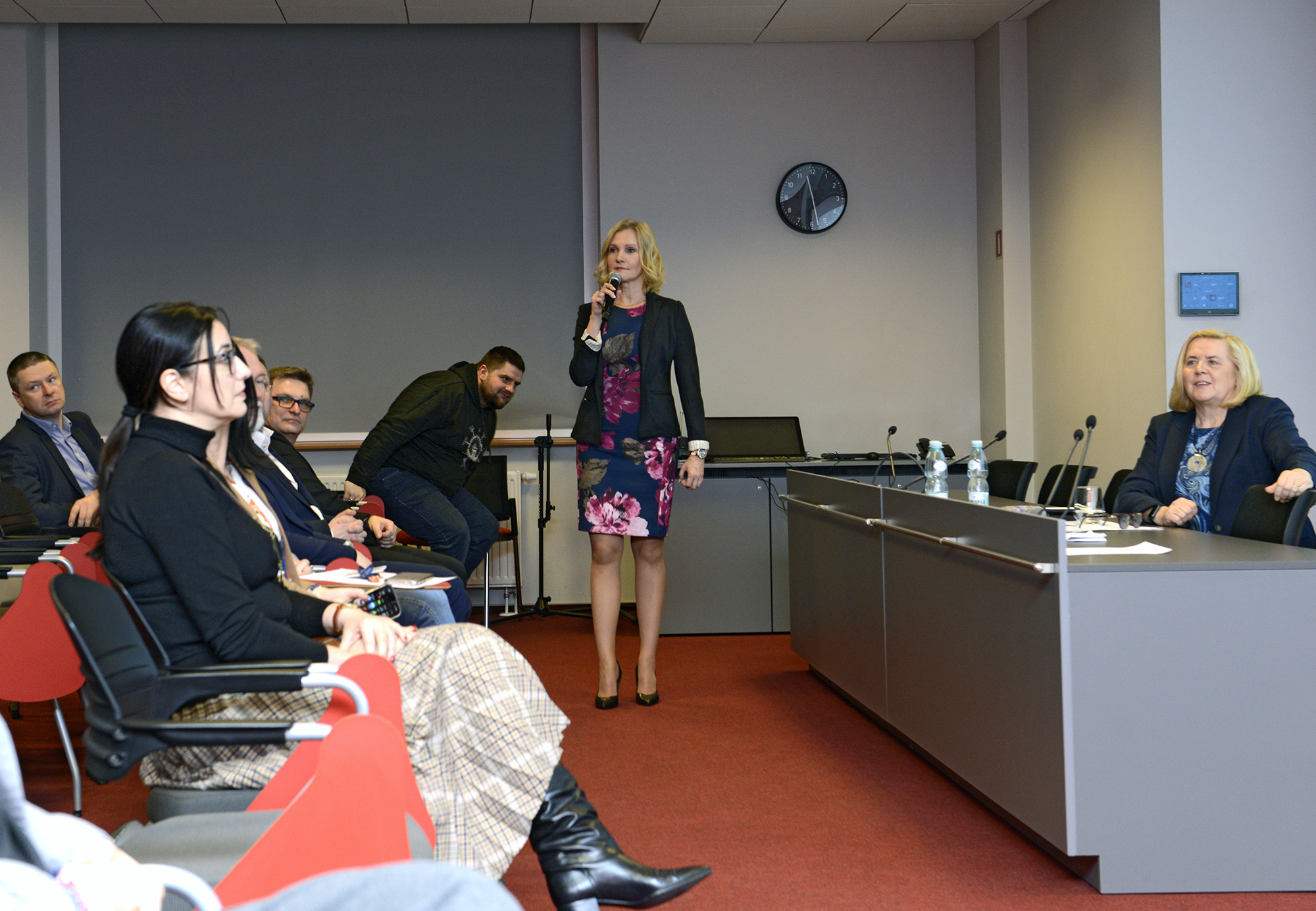
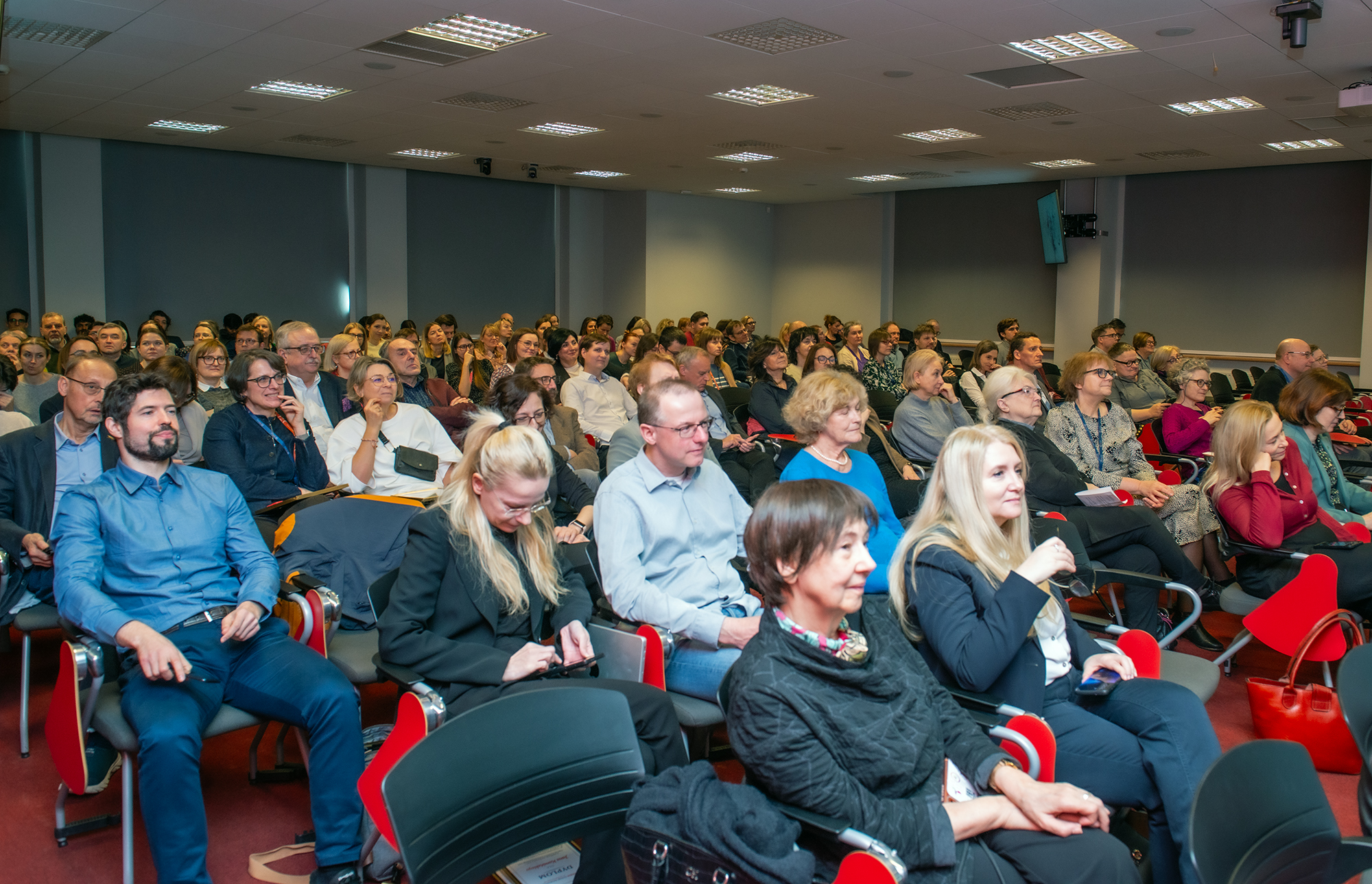
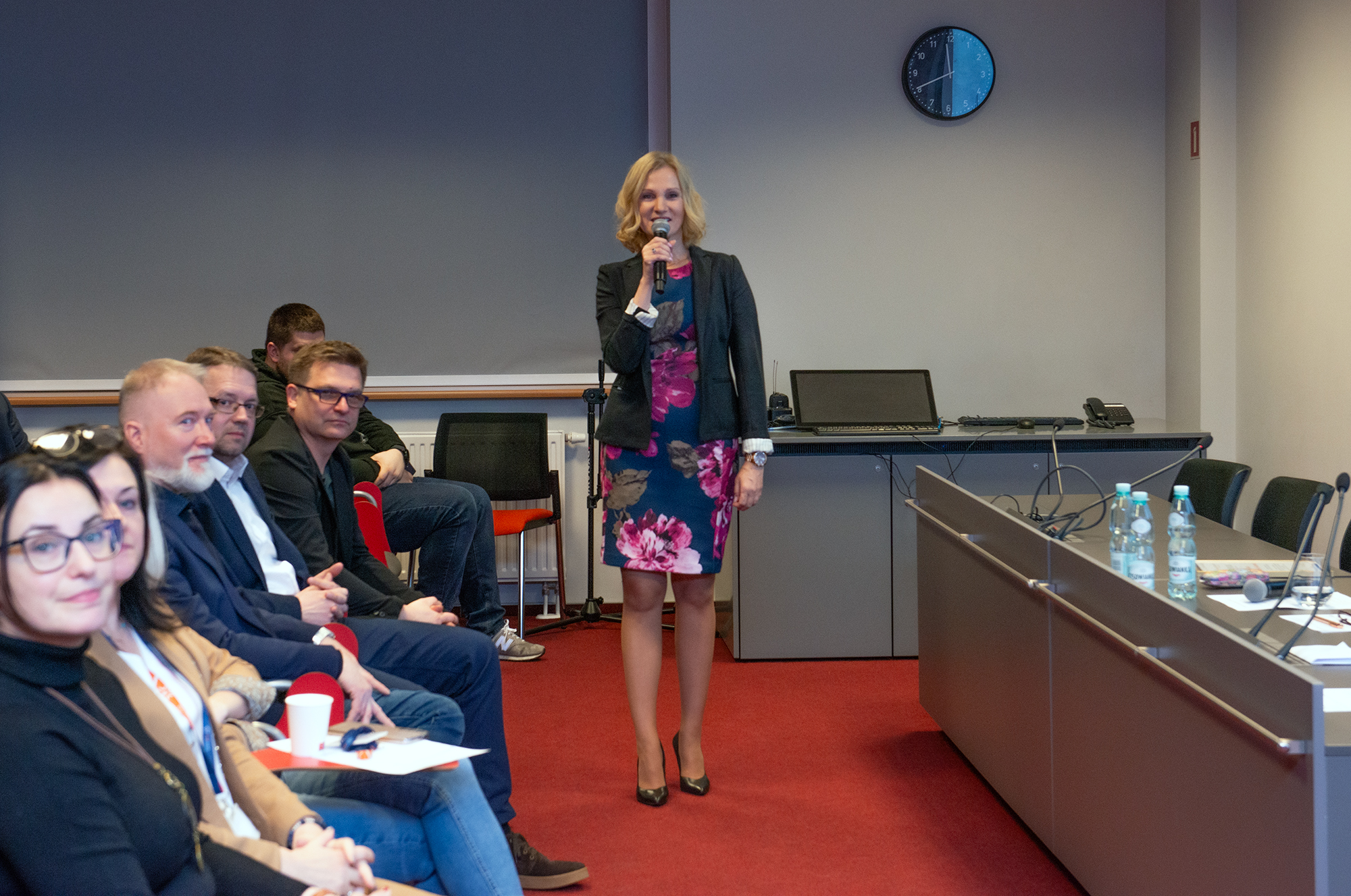
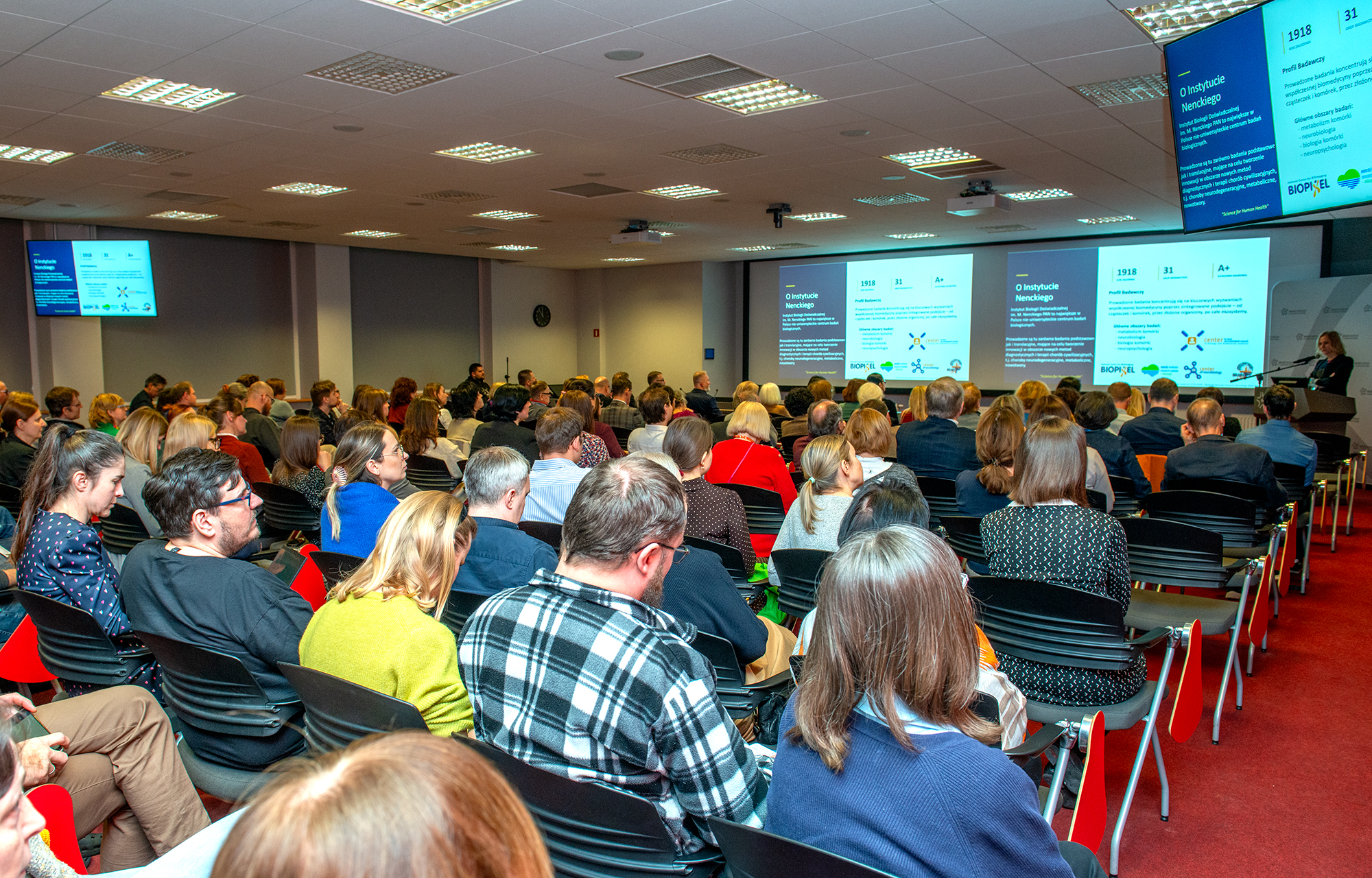
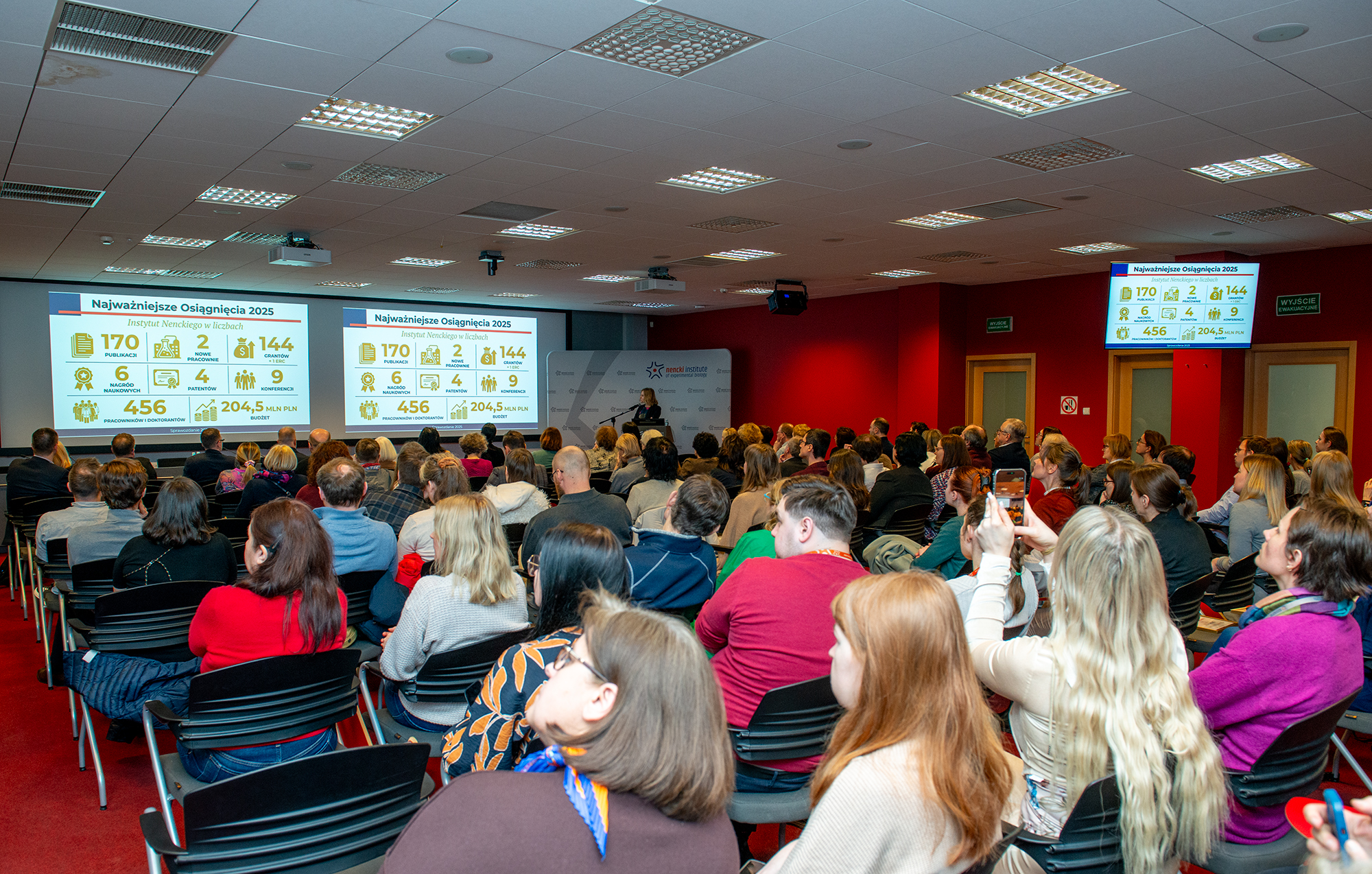
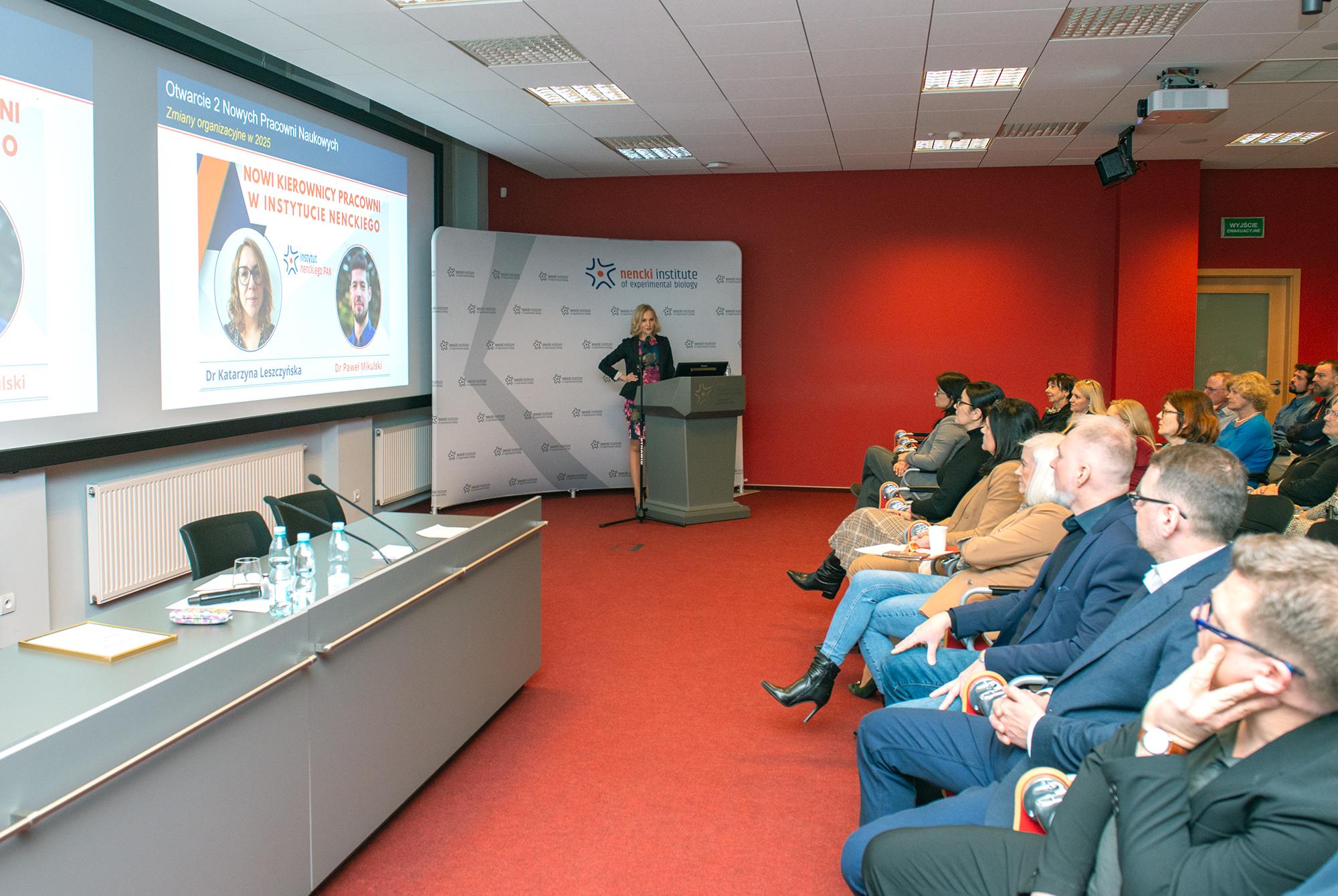
On February 27, 2026, the Reporting Session of Scientific Council was held at the Nencki Institute, summarizing the Institute’s scientific and organizational activities in the past year, 2025.
The event brought together many distinguished guests, including a representative of the Ministry of Science and Higher Education, the chair of the Committee on Molecular Cell Biology PAS, directors of institutes of the Polish Academy of Sciences, and the authorities of universities cooperating with the Nencki Institute (Warsaw University of Technology, Warsaw University of Life Sciences, and the University of Warsaw).
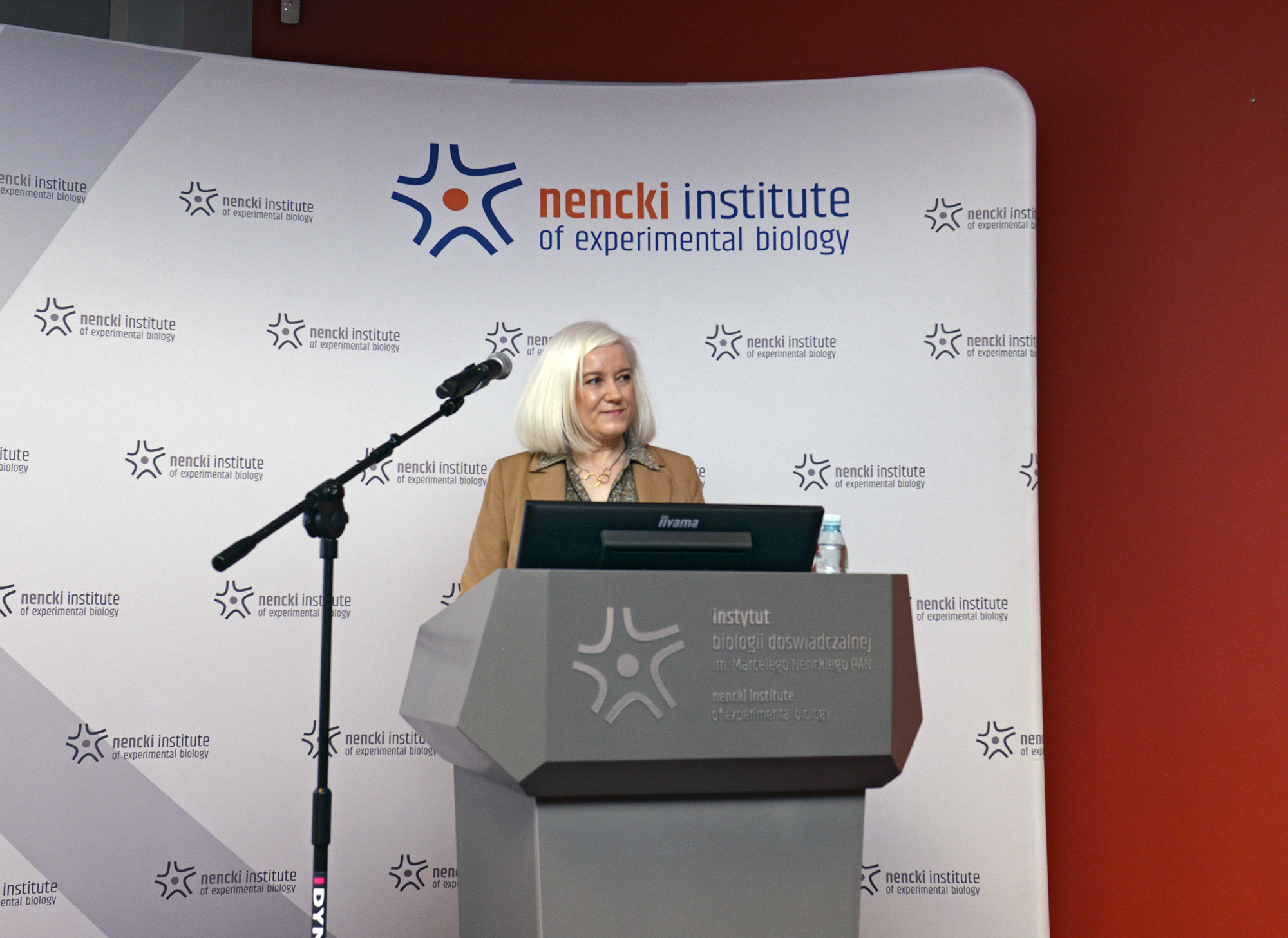
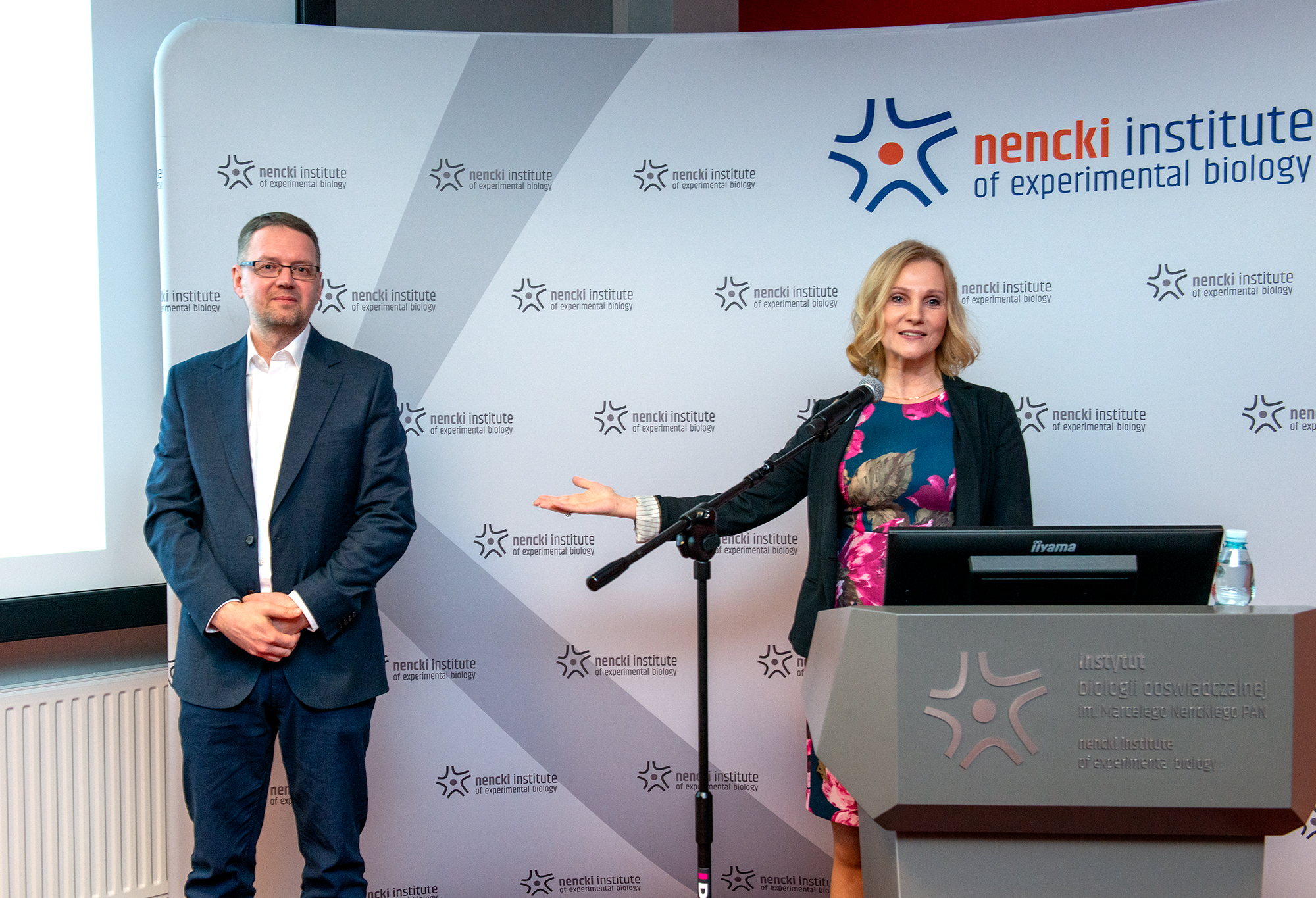
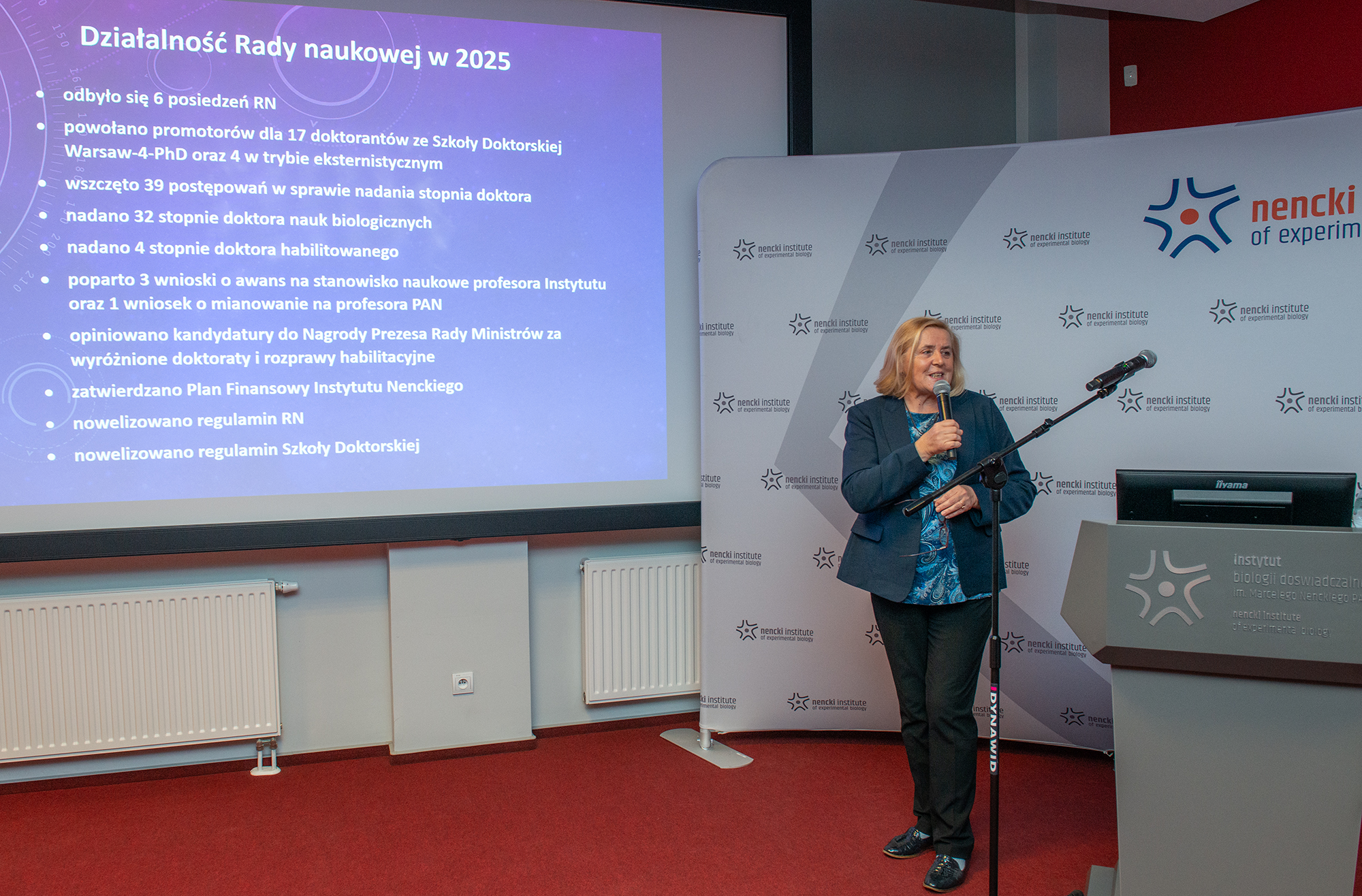
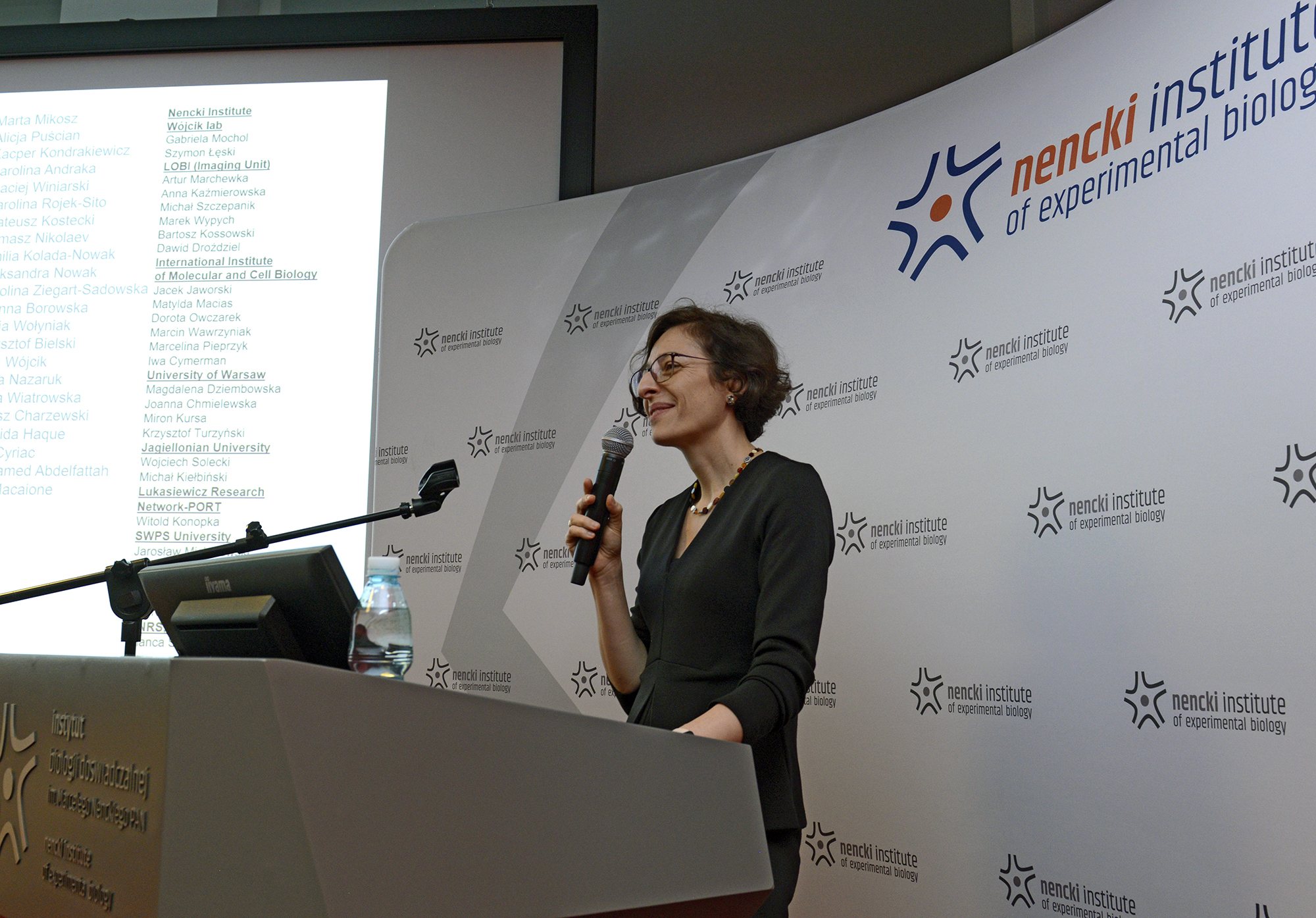
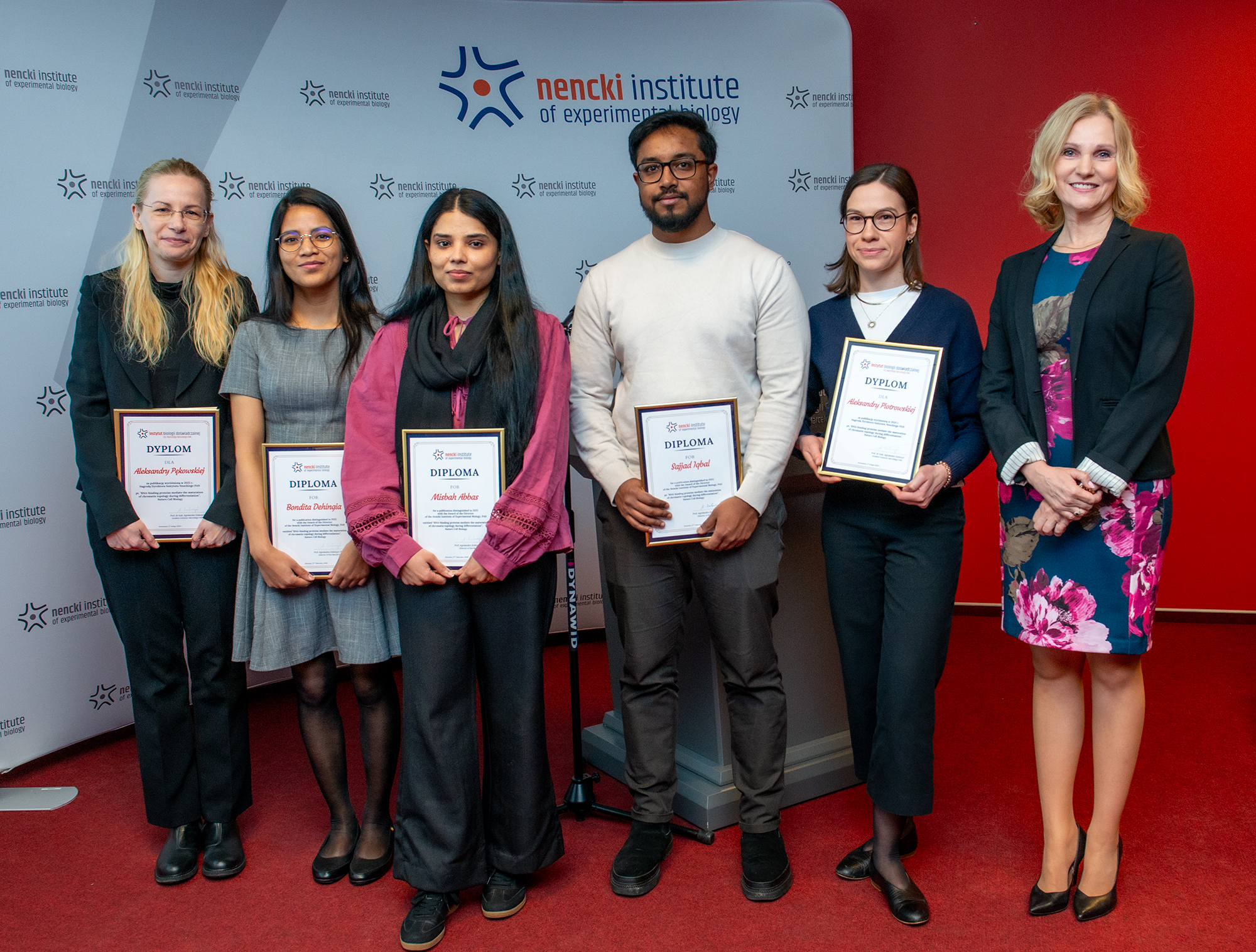
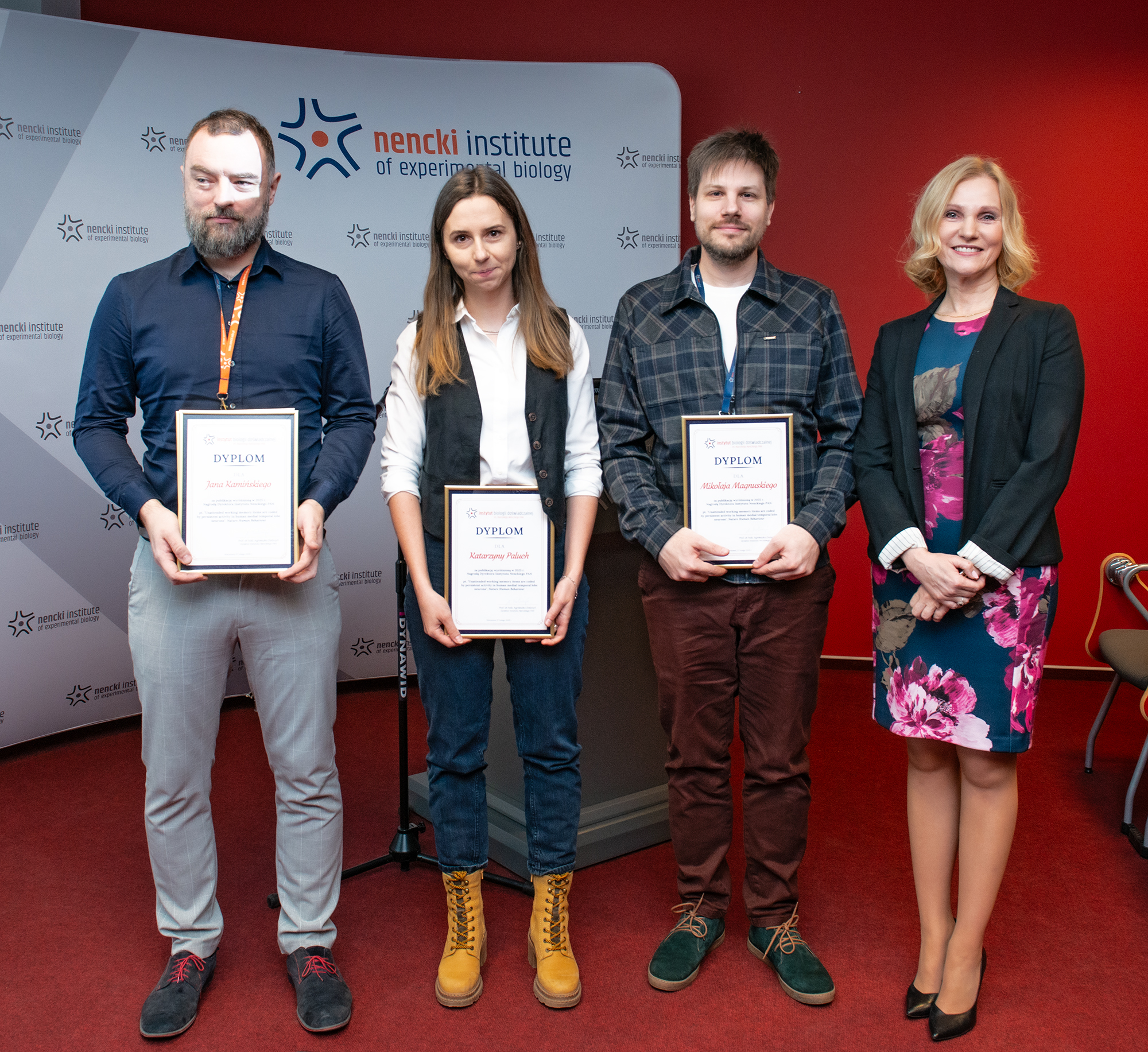
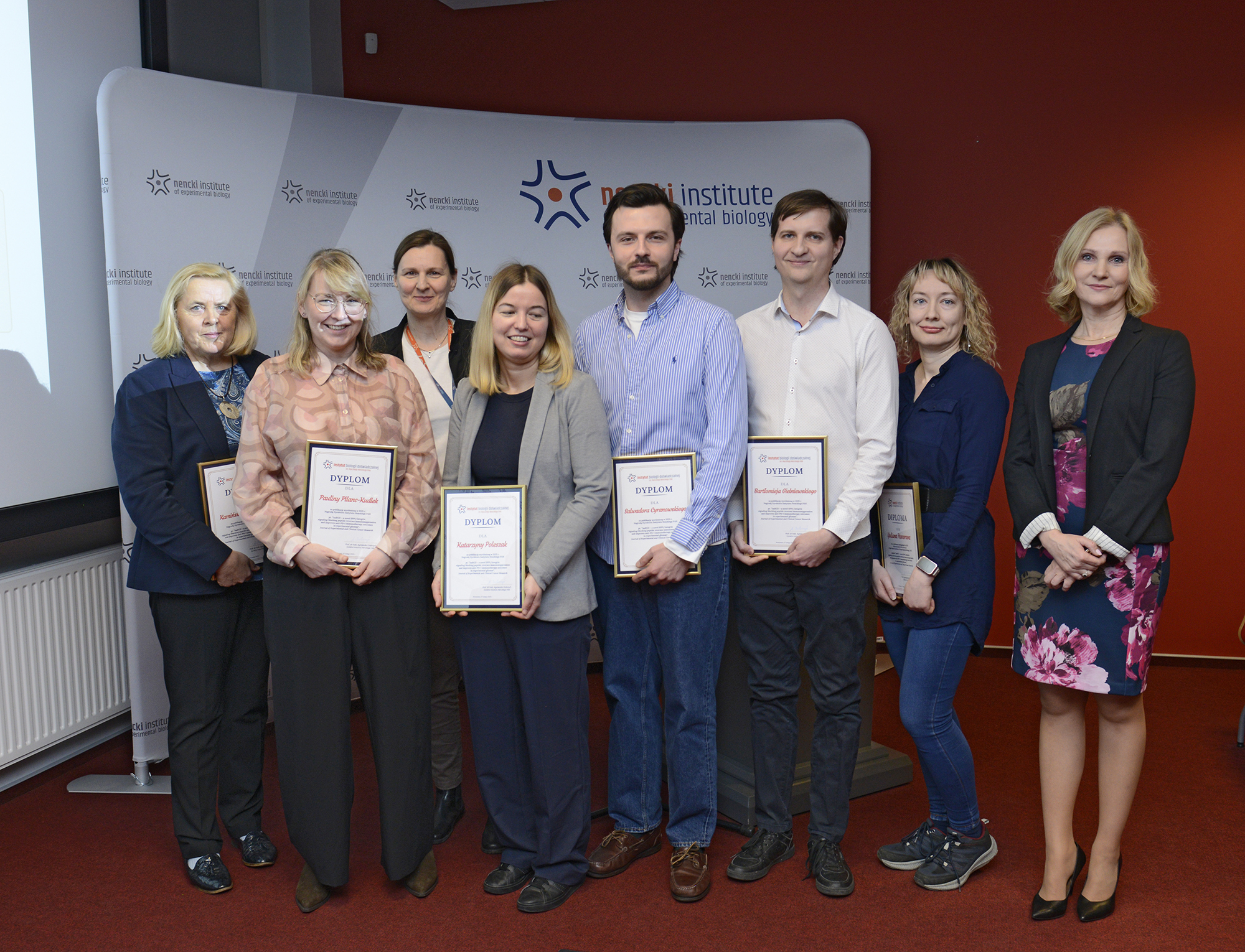
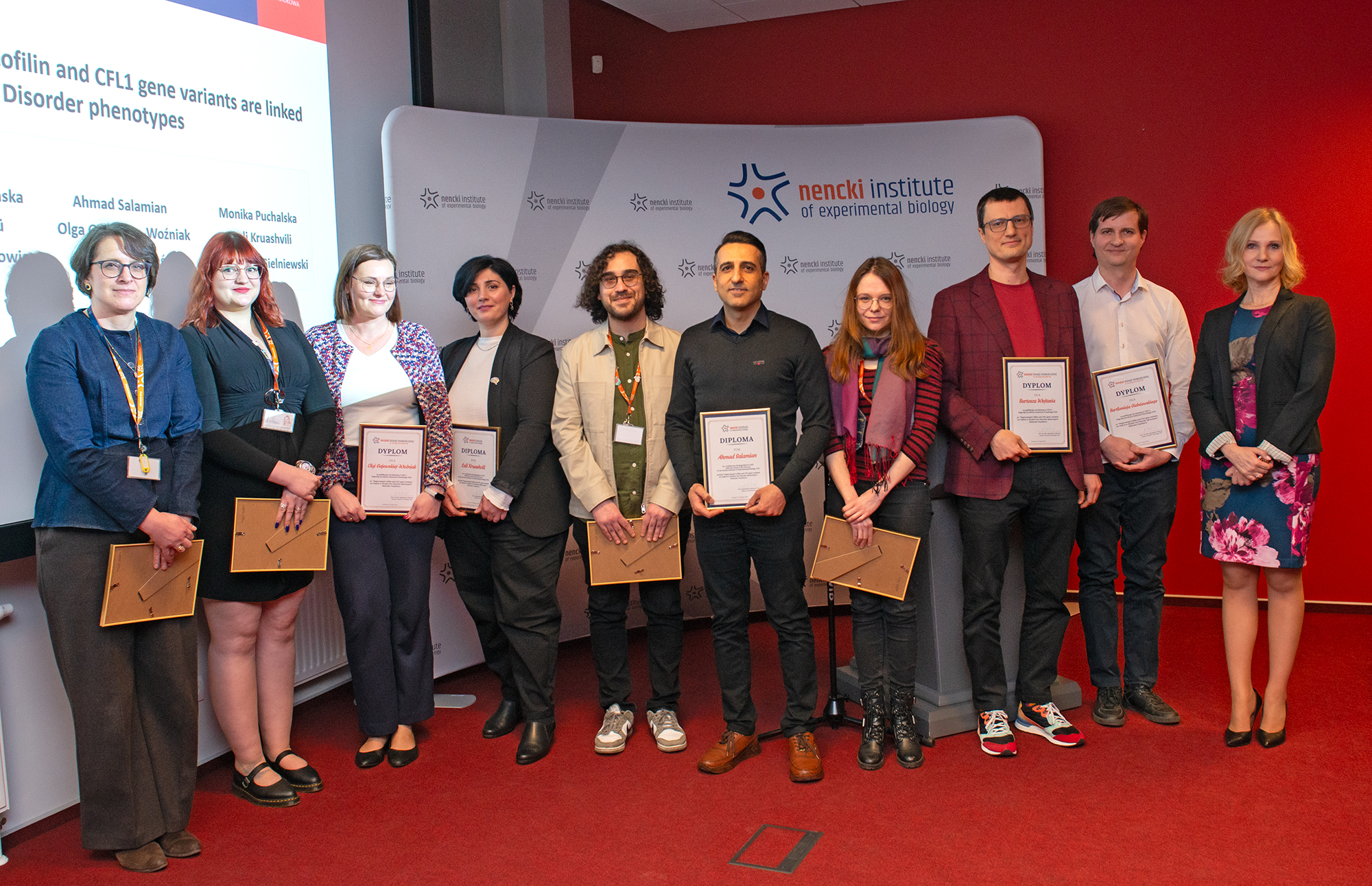
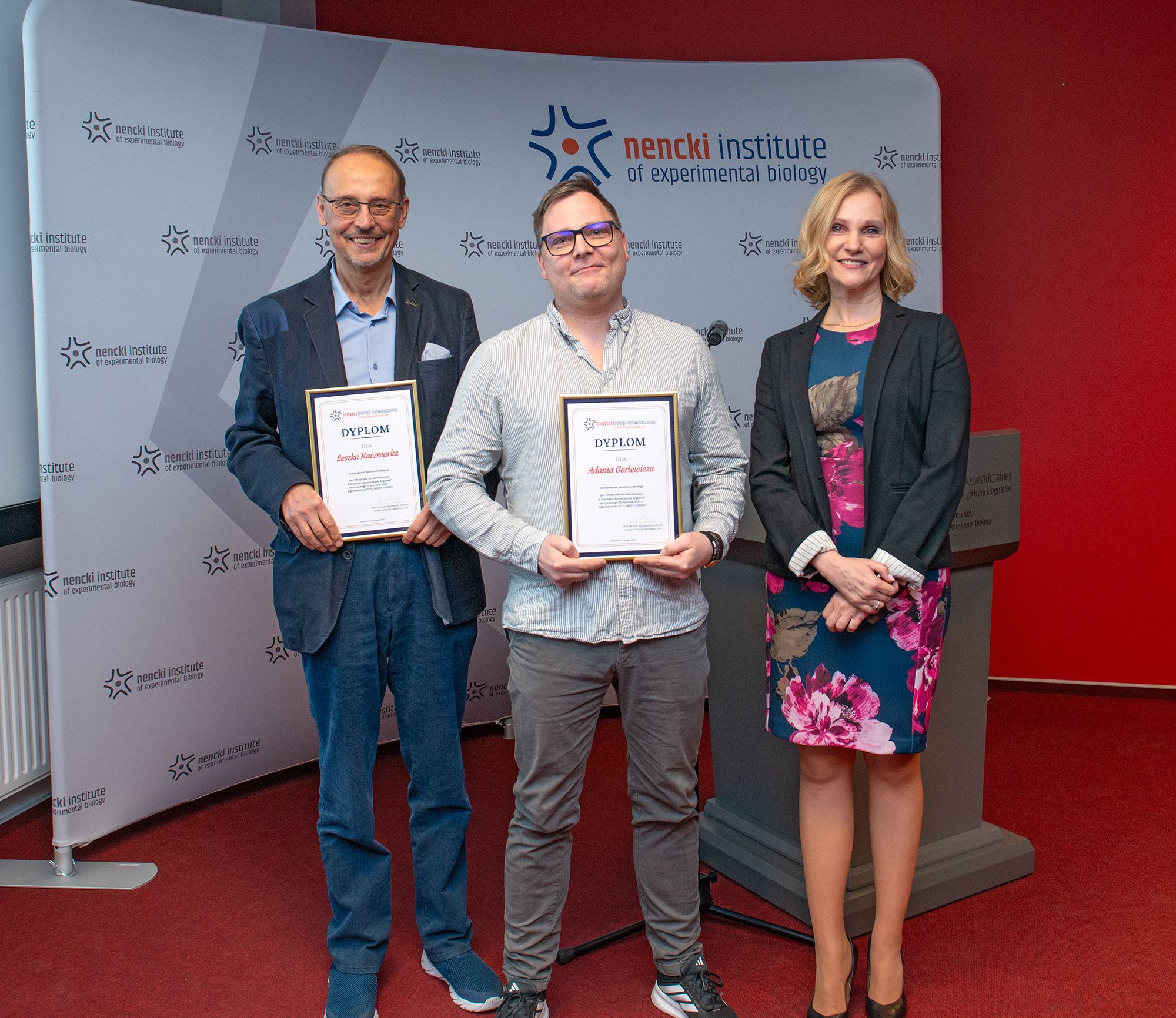
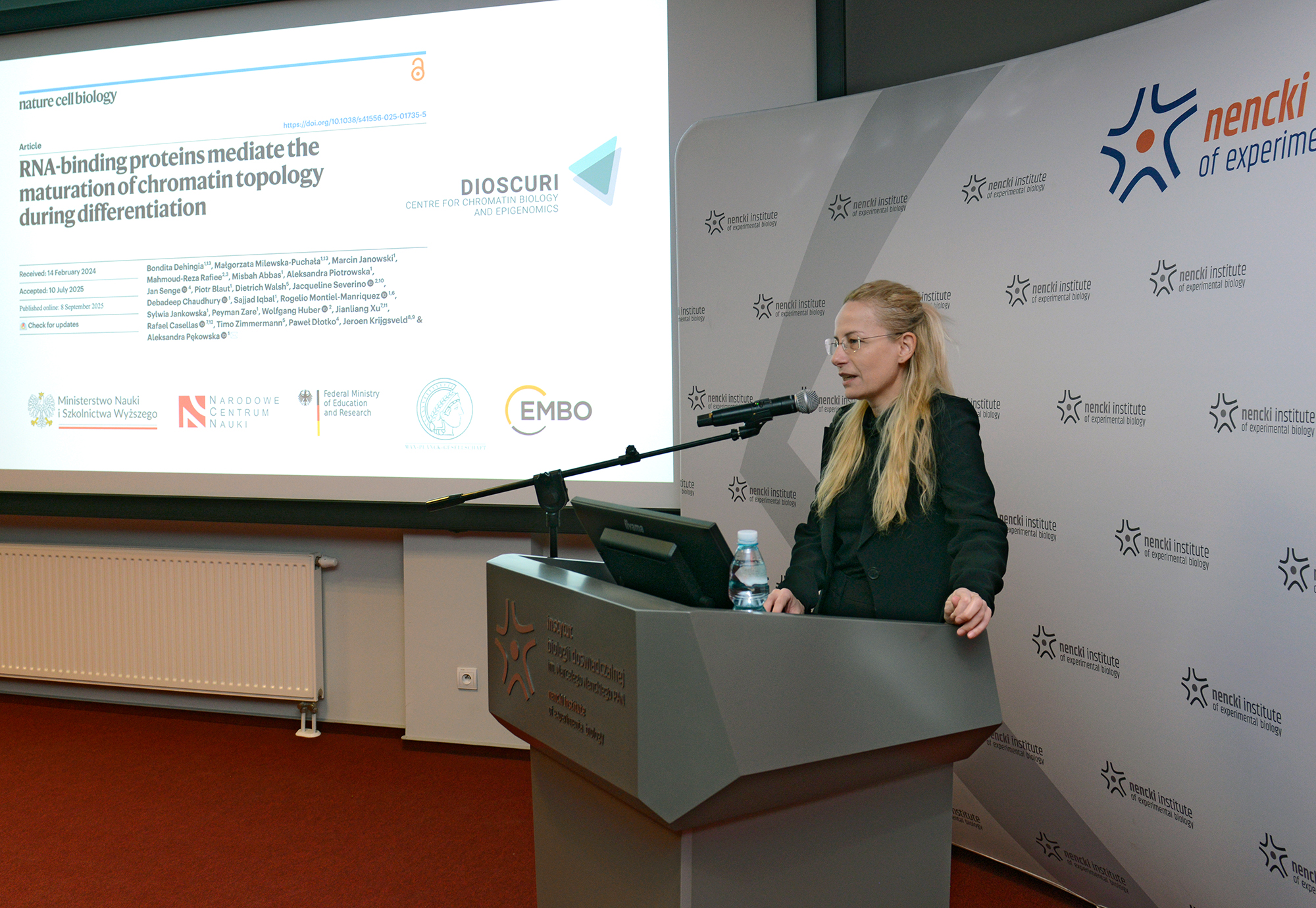
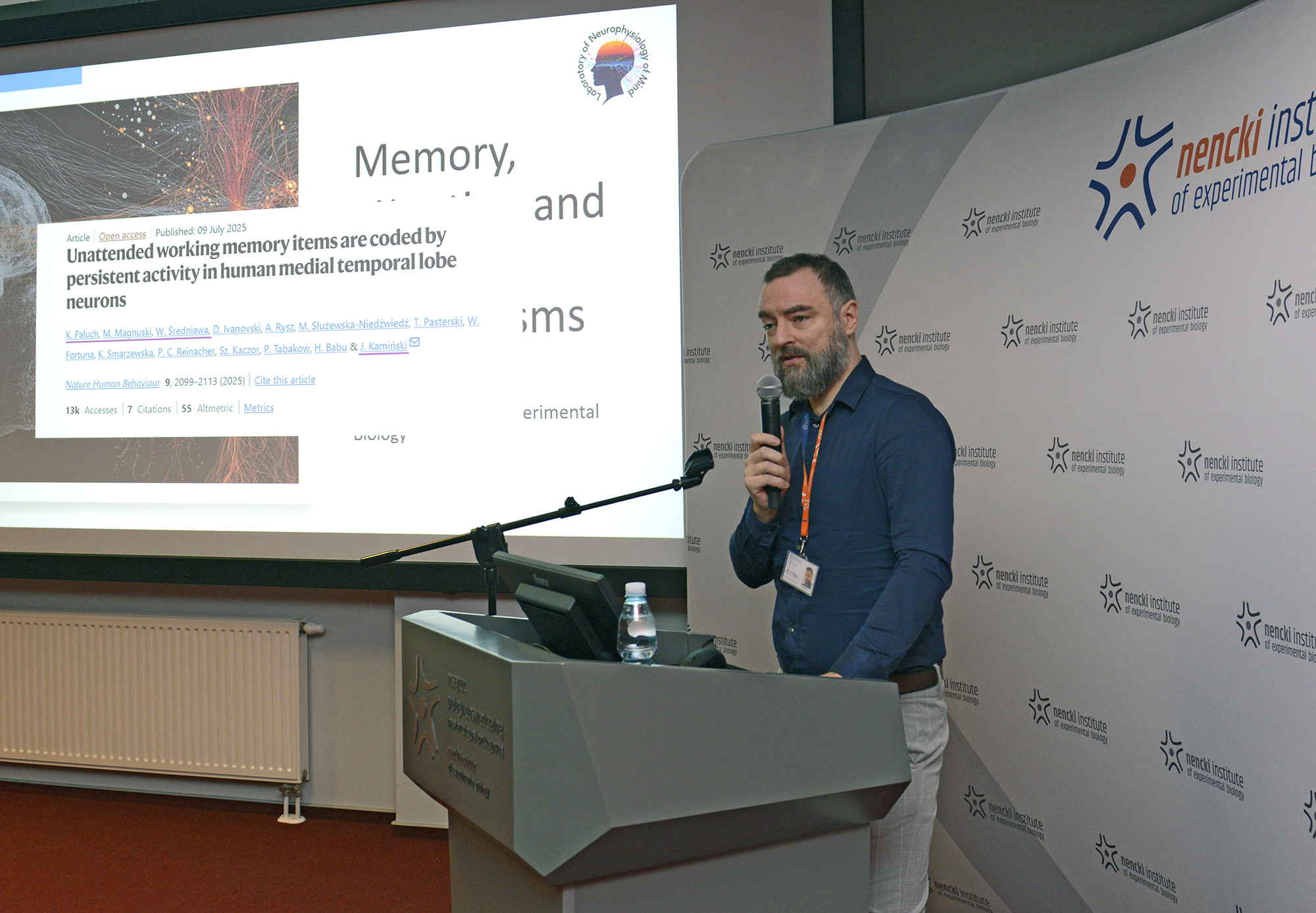
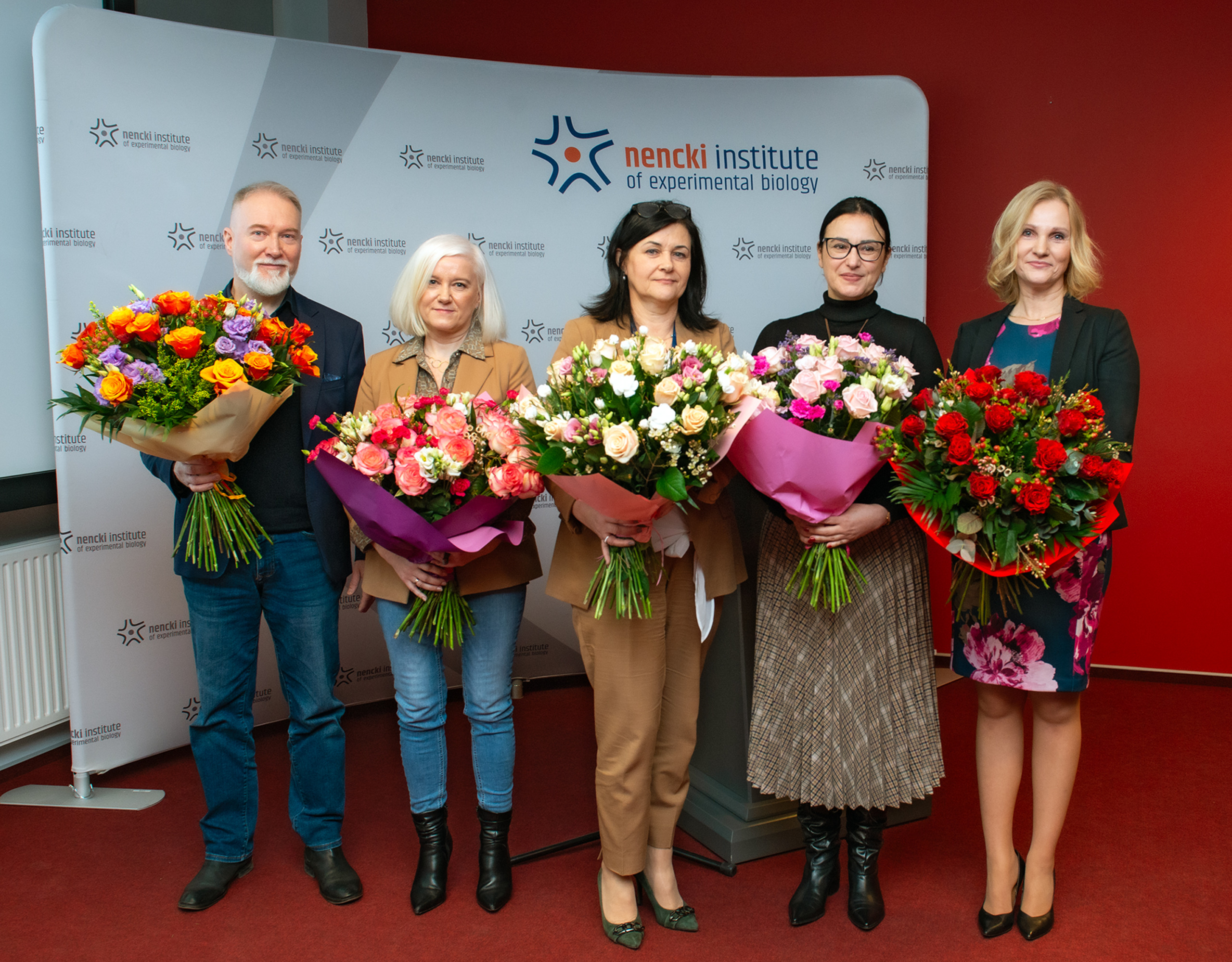
The open part of the meeting began with a presentation by the Chair of the Scientific Council, Prof. Bożena Kamińska-Kaczmarek, outlining the key activities of the Council in 2025. Than, the Director of the Institute, Prof. Agnieszka Dobrzyń, presented the Director’s Awards for the best publications and for obtaining a national patent. During the scientific part of the meeting, the gathered guests listened to two presentations devoted to the awarded scientific achievements: by dr. hab. Aleksandra Pękowska (Dioscuri Center for Chromatin Biology and Epigenomics) and dr. hab. Jan Kamiński (Laboratory of Neurophysiology of Mind, Braincity Centre). A special guest of this part was Prof. Ewelina Knapska from the Laboratory of Emotions Neurobiology, laureate of the Foundation for Polish Science Prize in the field of Life Sciences.
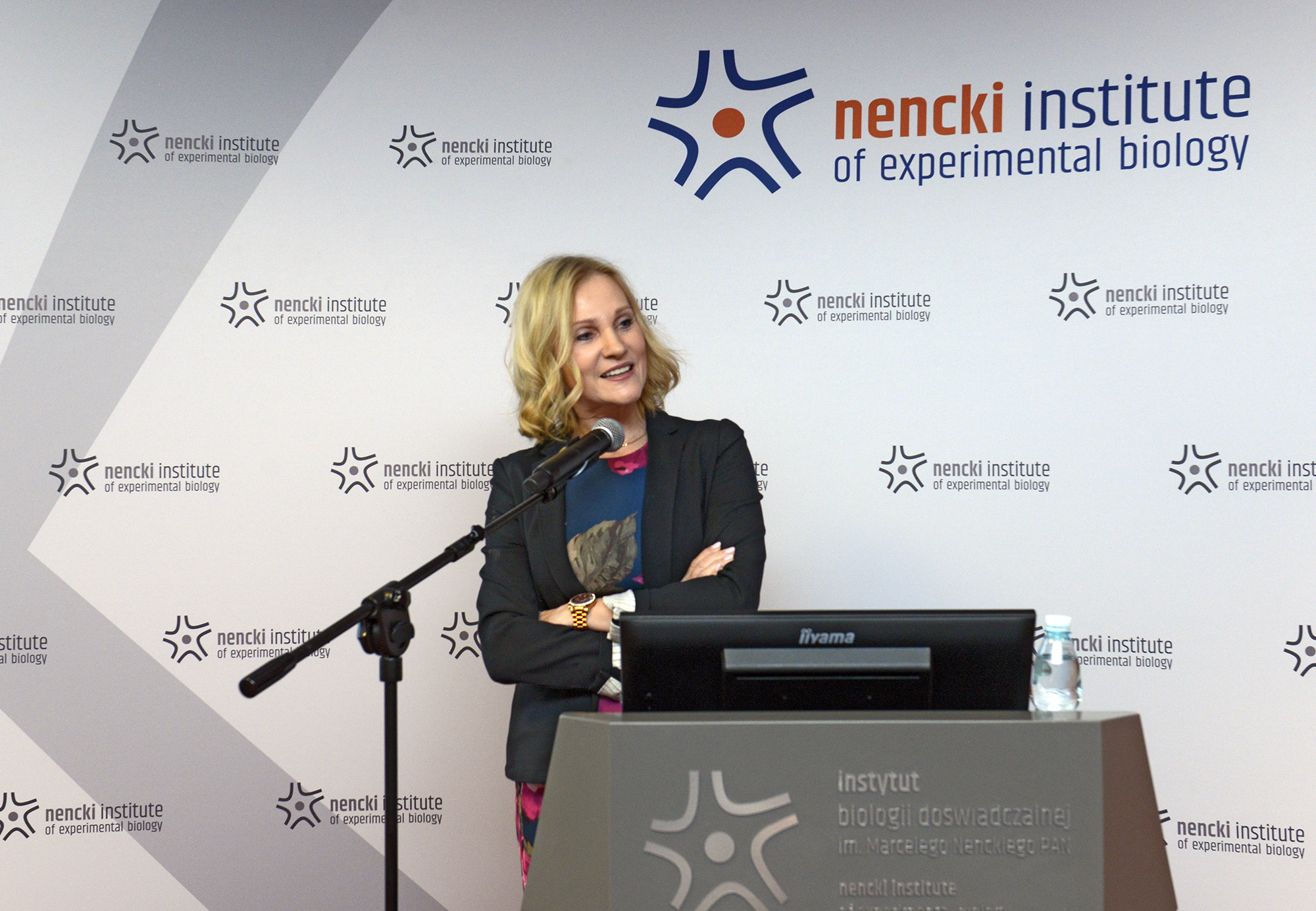
The open part of the Scientific Council concluded with a speech by Prof. Agnieszka Dobrzyń, who presented a comprehensive summary of the most important scientific and organizational achievements of the past year, as well as of the two previous terms of office, and outlined the strategic directions for the further development of the Institute – both in the area of research infrastructure and the implementation of key projects. In her speech, Prof. Dobrzyń thanked the Management Team (Deputy Directors for Scientific Affairs Dr. hab. Monika Liguz-Lęcznar and Dr. hab. Krzysztof Nieznański; Deputy Director for Organizational Affairs and Development MSc Renata Dębińska, and Chief Accountant MSc Agata Piotrowska) for their cooperation so far.
During the closed session, the Scientific Council unanimously adopted the report of the Director of the Institute. Members of the Council expressed their appreciation for the achievements to date and their conviction that the third term of Prof. Agnieszka Dobrzyń will bring further successes and dynamic development for the Institute. The Council also approved the appointment of a new Deputy Director for Scientific Affairs for the next term, Dr. hab. Bogusz Kulawiak.
As always, the Reporting Session of the Scientific Council was an opportunity to summarize the past year and an inspiring meeting emphasizing the key role of scientific research in addressing contemporary biomedical challenges.
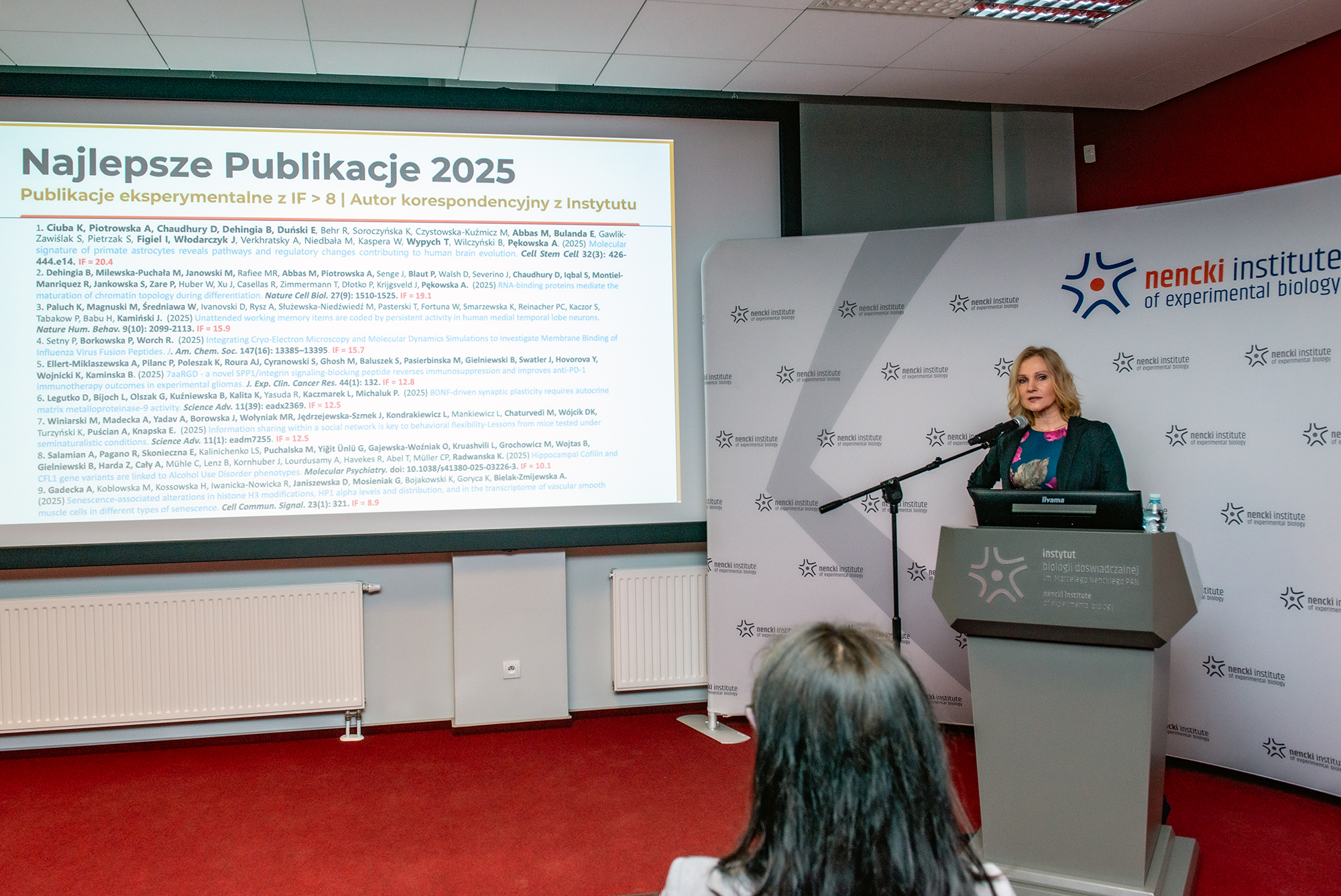
List of publications awarded in 2025:
- ‘RNA-binding proteins mediate the maturation of chromatin topology during differentiation’, Bondita Dehingia, Małgorzata Milewska-Puchała, Marcin Janowski, Mahmoud-Reza Rafiee, Misbah Abbas, Aleksandra Piotrowska, Jan Senge, Piotr Blaut, Dietrich Walsh, Jacqueline Severino, Debadeep Chaudhury, Sajjad Iqbal, Rogelio Montiel-Manriquez, Sylwia Jankowska, Peyman Zare, Wolfgang Huber, Jianliang Xu, Rafael Casellas, Timo Zimmermann, Paweł Dłotko, Jeroen Krijgsveld & Aleksandra Pękowska Aleksandra Pękowska, Nature Cell Biology 2025, 27(9):1510-1525. (IF5 - 22.8)
- ‘Unattended working memory items are coded by persistent activity in human medial temporal lobe neurons’, K Paluch 1, M Magnuski 1, W Średniawa, D Ivanovski, A Rysz, M Służewska-Niedźwiedź, T Pasterski, W Fortuna, K Smarzewska, P C Reinacher, Sz Kaczor, P Tabakow, H Babu, J Kamiński, Nature Human Behavior. 2025 9(10):2099-2113. (IF5 – 19.7)
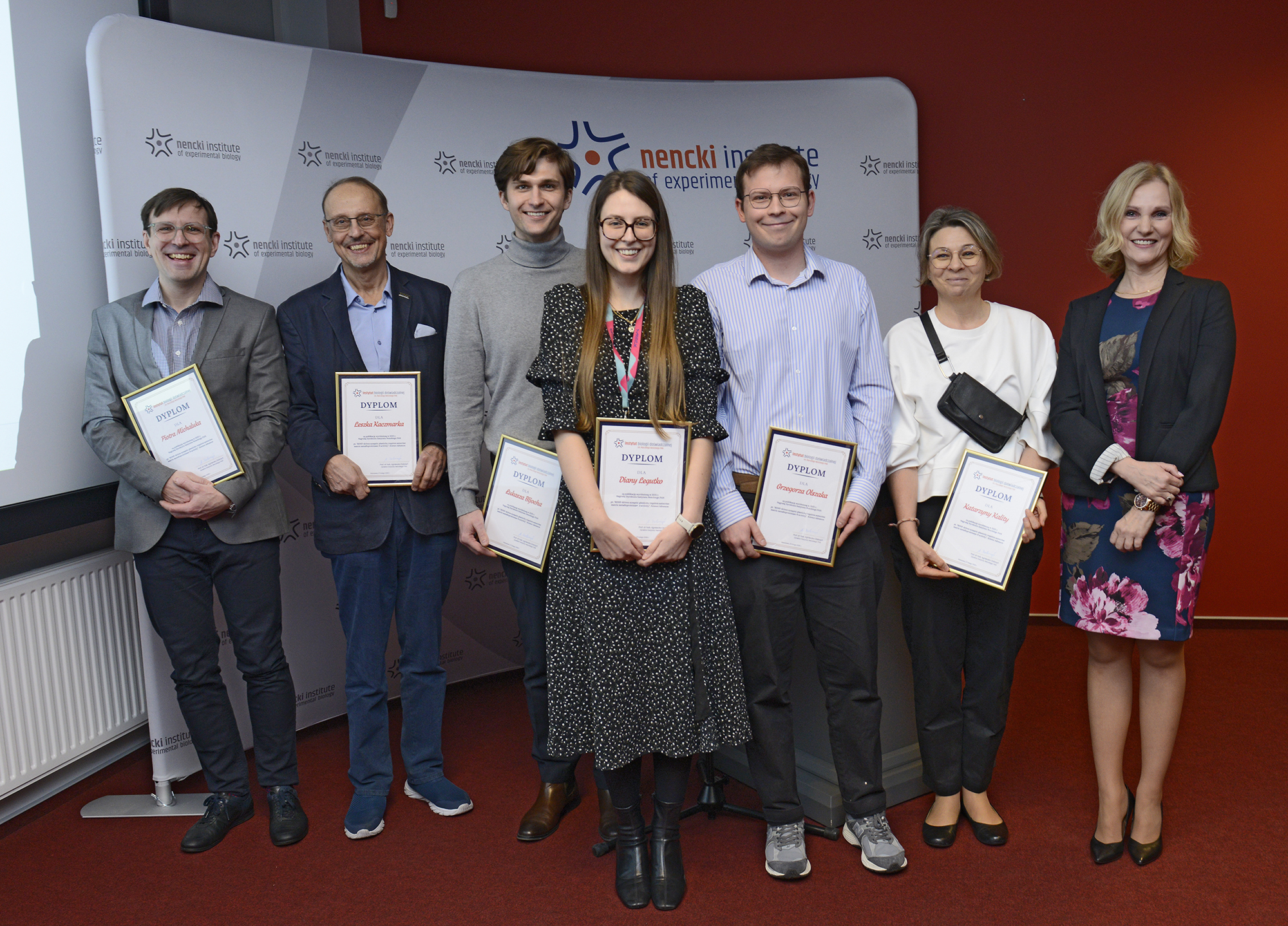
- ‘BDNF-driven synaptic plasticity requires autocrine matrix metalloproteinase-9 activity’, Diana Legutko, Lukasz Bijoch, Grzegorz Olszak, Bożena Kuźniewska, Katarzyna Kalita, Ryohei Yasuda, Leszek Kaczmarek, Piotr Michaluk, Sci Adv. 2025; 11(39):eadx2369. (IF5 – 14.1)
- ‘7aaRGD - a novel SPP1/integrin signaling-blocking peptide reverses immunosuppression and improves anti-PD-1 immunotherapy outcomes in experimental gliomas’, Aleksandra Ellert-Miklaszewska, Paulina Pilanc, Katarzyna Poleszak, Adria-Jaume Roura, Salwador Cyranowski, Mitrajit Ghosh, Szymon Baluszek, Maria Pasierbinska, Bartłomiej Gielniewski, Julian Swatler, Yuliana Hovorova, Kamil Wojnicki, Bożena Kaminska, J Exp Clin Cancer Res. 2025;44(1):132. (IF5 - 12.2)
- ‘Hippocampal Cofilin and CFL1 gene variants are linked to Alcohol Use Disorder phenotypes’, Ahmad Salamian, Roberto Pagano, Edyta Skonieczna, Liubov S. Kalinichenko, Monika Puchalska, G. Yiğit Ünlü, Olga Gajewska-Woźniak, Lali Kruashvili, Małgorzata Grochowicz, Bartosz Wojtas, Bartek Gielniewski, Zofia Harda, Anna Cały, Christiane Mühle, Bernd Lenz, Johannes Kornhuber, Anbarasu Lourdusamy, Robbert Havekes, Ted Abel, Christian P. Müller & Kasia Radwanska, Molecular Psychiatry volume 31, pages1216–1230. (IF5 – 11.8)
Award for obtaining a national patent entitled “Ifenprodil do zastosowania w leczeniu chronicznych drgawek”, granted on January 13, 2025 (PCT/IB2021/055317), Leszek Kaczmarek, Adam Gorlewicz.
Date
06 March 2026
Gallery