
News
SPARK Poland: from the laboratory to the patient
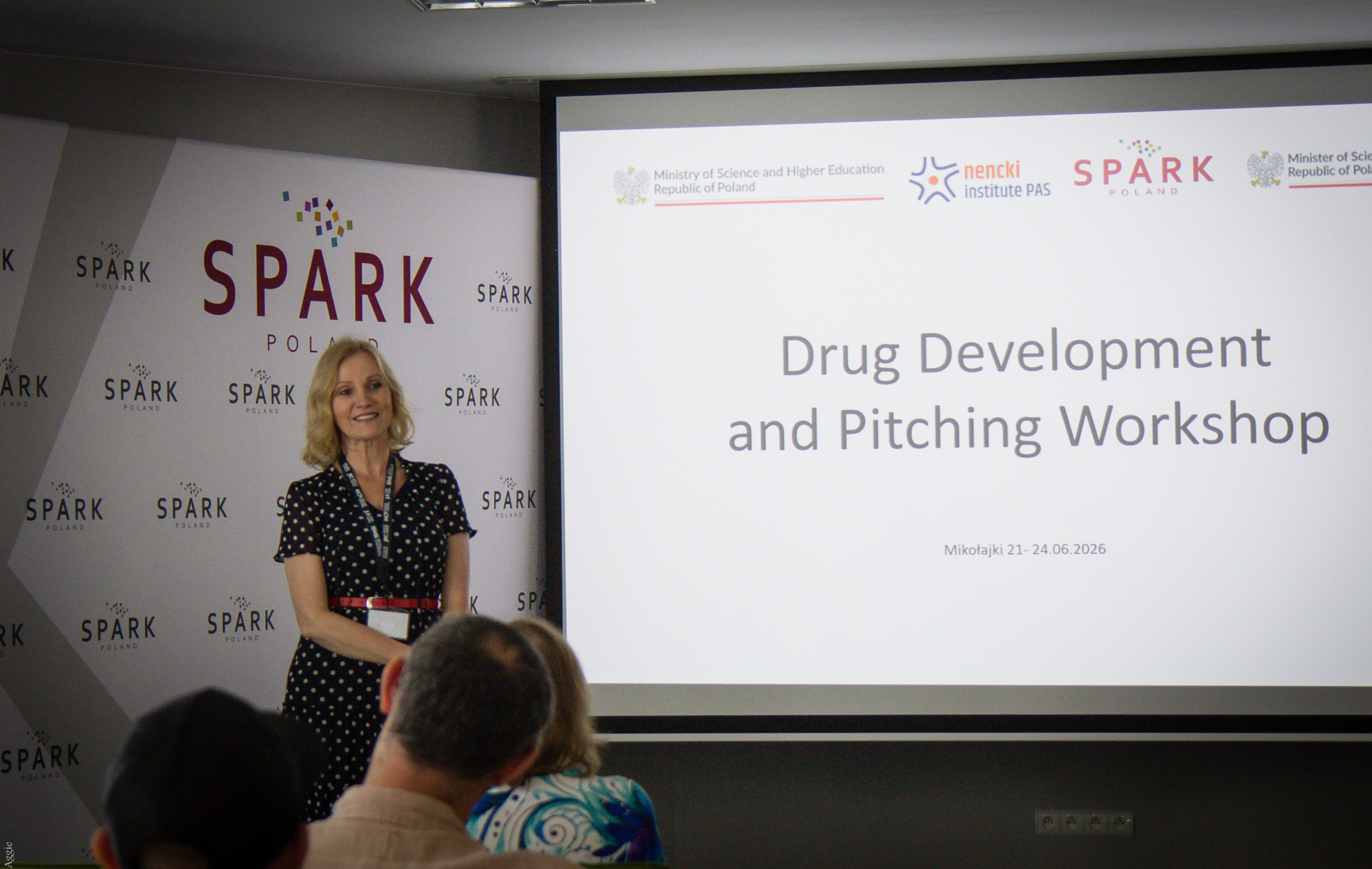
Research planning, goal setting, developing an intellectual property protection strategy, and communicating effectively with potential partners and investors - these were among the skills developed by scientists participating in the SPARK Poland workshops.
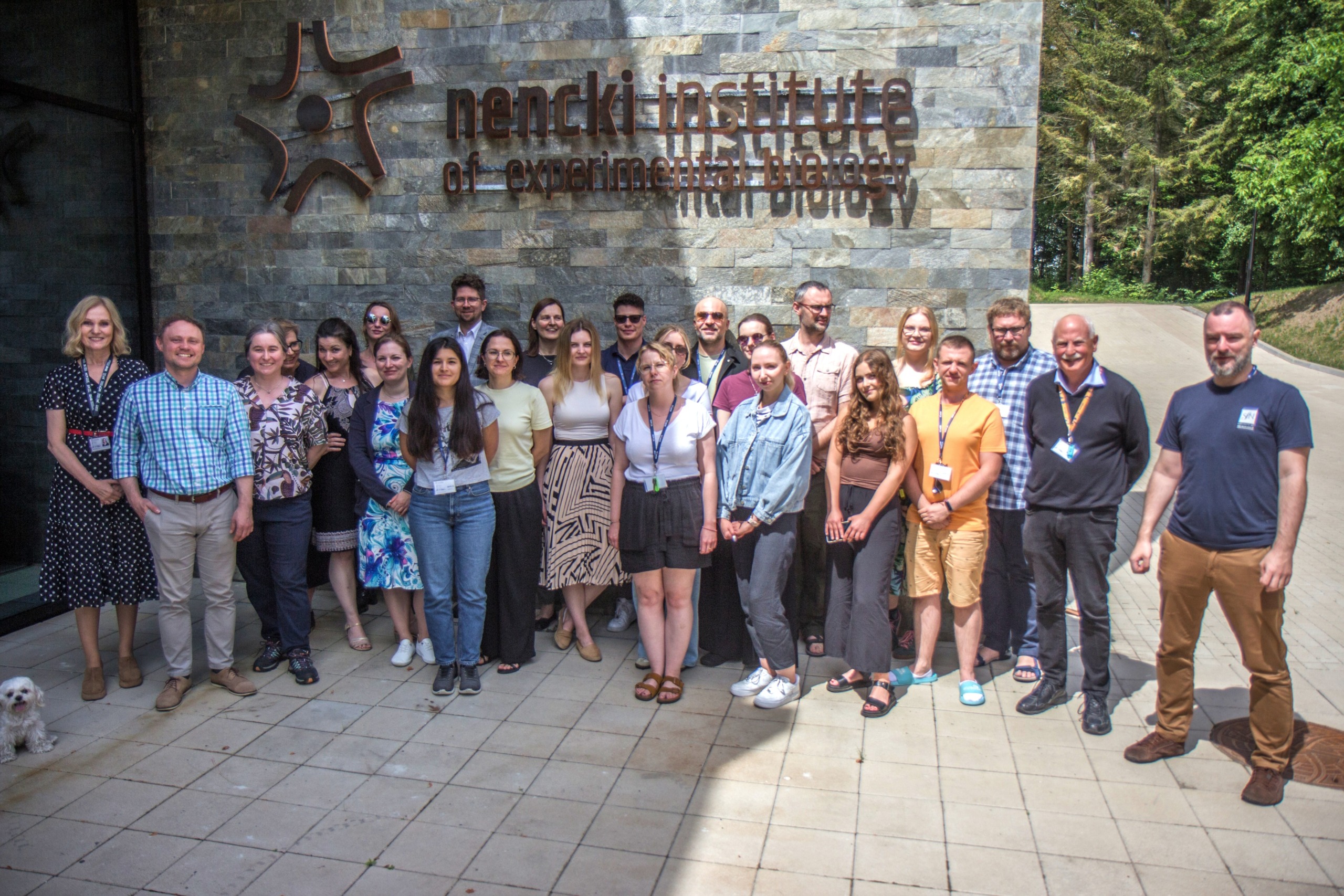
The workshops, held in late June 2026 at the Mikołajki campus of the Nencki Institute of Experimental Biology of the Polish Academy of Sciences, brought together three research teams. The first is developing a novel therapeutic approach to Alzheimer’s disease, the second is working on a drug that modulates RNA polymerase III - an enzyme that plays an important role in regulating gene activity - while the third is developing a new treatment strategy for FOP, or fibrodysplasia ossificans progressiva.
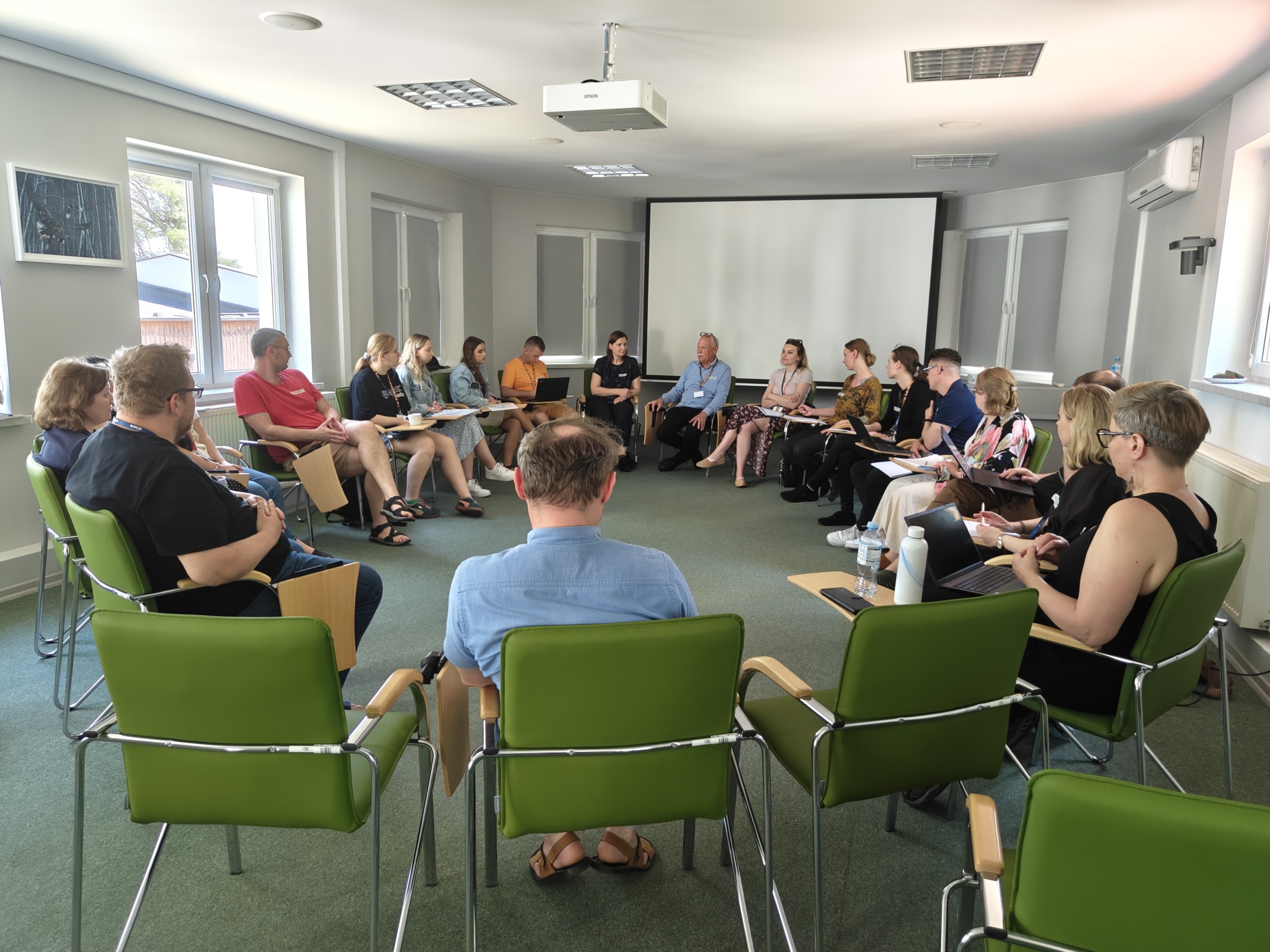
The participants analysed their projects in terms of unmet medical needs, further development strategies, regulatory requirements, project timelines, intellectual property protection, and future funding opportunities.
“A scientist entering the field of drug development may feel overwhelmed, because the project must be viewed not only through the lens of the next experiments, but also in terms of its longer-term development: what we already have, what is still missing, and what will be needed in six months or a year. What mattered to me was that SPARK Poland helped me place my project on this path without compromising the quality of the science,” says Dr Tomasz Turowski of the Institute of Biochemistry and Biophysics of the Polish Academy of Sciences.
The workshops in Mikołajki, organised as part of the SPARK Poland mentoring programme, were designed to help Polish research teams develop their projects in a way that supports their future implementation in clinical practice. SPARK Poland is part of the international SPARK Global initiative and is based on bilateral cooperation between the Nencki Institute and Stanford University in the United States.
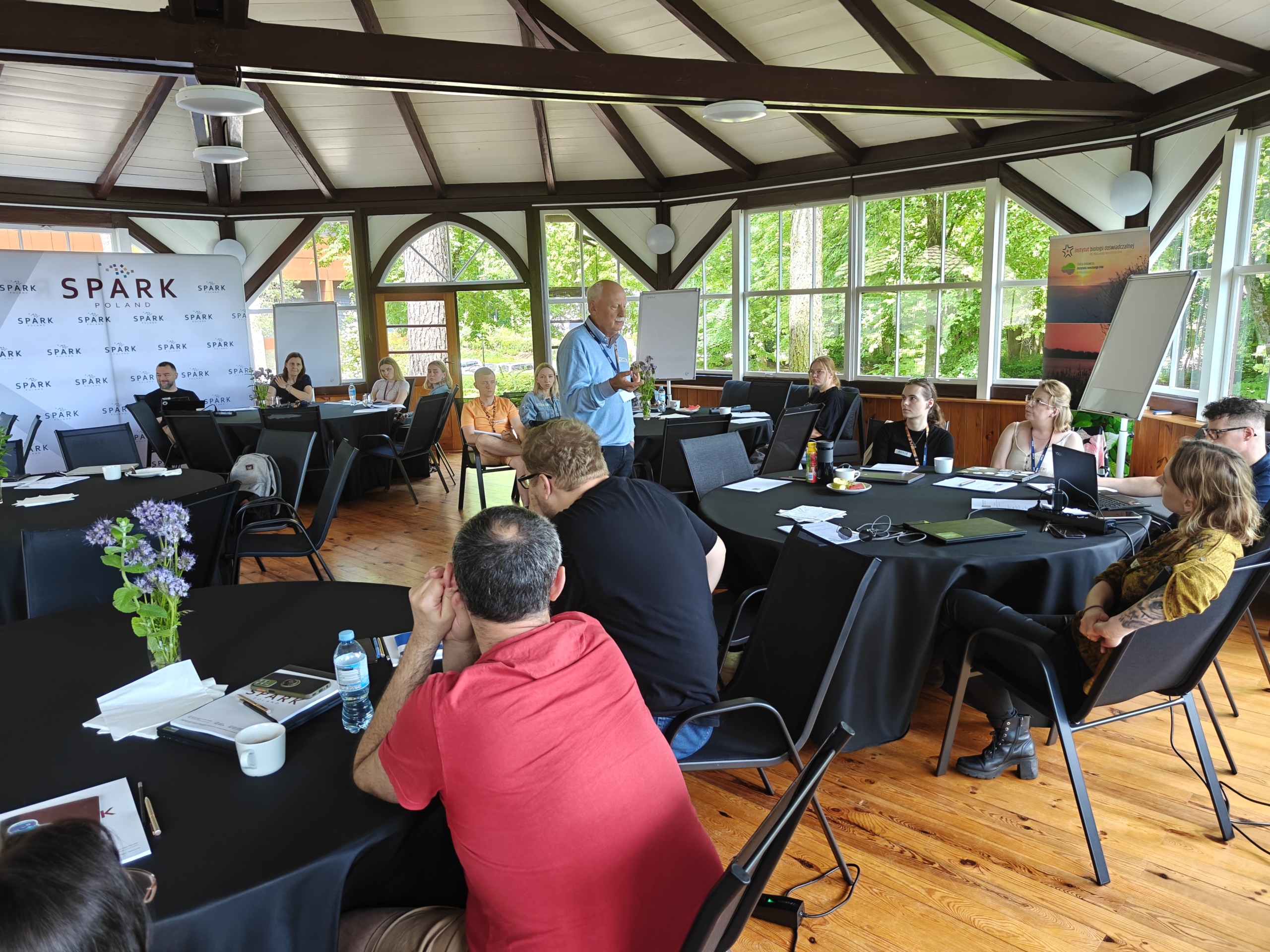
During the workshops, Professor Michael Wallach of SPARK Sydney supported the teams in planning the path from scientific discovery to a solution used in patient care. Dr Sonja Schätzlein of SPARK FLI and Dr Iva Machová of i&i Prague helped participants critically assess the strengths and weaknesses of their projects and identify the elements that are particularly important when presenting them to potential investors, as well as business and research partners.
An important part of the workshops focused on presenting project outcomes effectively. Andrzej Danek, an expert in communication and storytelling, showed participants how to discuss their research findings in a way that is clear and persuasive to different audiences.
One of the workshop participants, Dr Urszula Kozłowska of the Institute of Bioorganic Chemistry of the Polish Academy of Sciences and Poznań University of Medical Sciences, notes that scientists are accustomed to describing their methodology and results with precision. However, conversations with potential investors require a different approach: researchers must be able to demonstrate what problem their project addresses, who may benefit from it, and why it is worth developing further.
The programme concluded with project presentations before an international jury comprising Professor Michael Wallach; Andrzej Danek; Professor Agnieszka Dobrzyń, Director of the Nencki Institute; Dr Sonja Schätzlein; Dr Iva Machová; and Professor Wojciech Fendler of the Medical University of Łódź.
Following the presentations, the teams received feedback on both the scientific assumptions underpinning their projects and the way in which they were presented, as well as their development potential and the next steps required to bring them closer to clinical application.
“Modern biomedicine needs effective mechanisms that connect basic research with translational potential to the business and clinical environment. Such mechanisms make it possible to develop promising research findings with unmet patient needs in mind. SPARK Poland gives scientists the space, mentoring, and tools they need to plan this path from an early stage of project development,” says Professor Agnieszka Dobrzyń, Director of the Nencki Institute of Experimental Biology of the Polish Academy of Sciences and Director of SPARK Poland.
The SPARK Poland mentoring programme supports the transfer of scientific projects from the laboratory into clinical practice. By combining the knowledge of scientists with the experience of professionals from the medical and biotechnology sectors, the programme enables innovative ideas to be effectively transformed into solutions used in patient care.
SPARK Poland is an official member of the SPARK Global network. The programme is funded by the Polish Ministry of Science and Higher Education under the Ministerial Task entitled “Establishment of a Mentoring Programme Based on the SPARK Poland Programme,” agreement no. MNiSW/2024/DAP/302. It is organised and run by the Nencki Institute of the Polish Academy of Sciences. The current edition of the programme was launched in 2025.
Date
16 July 2026
Gallery