News
Czech researchers visit the Nencki Institute
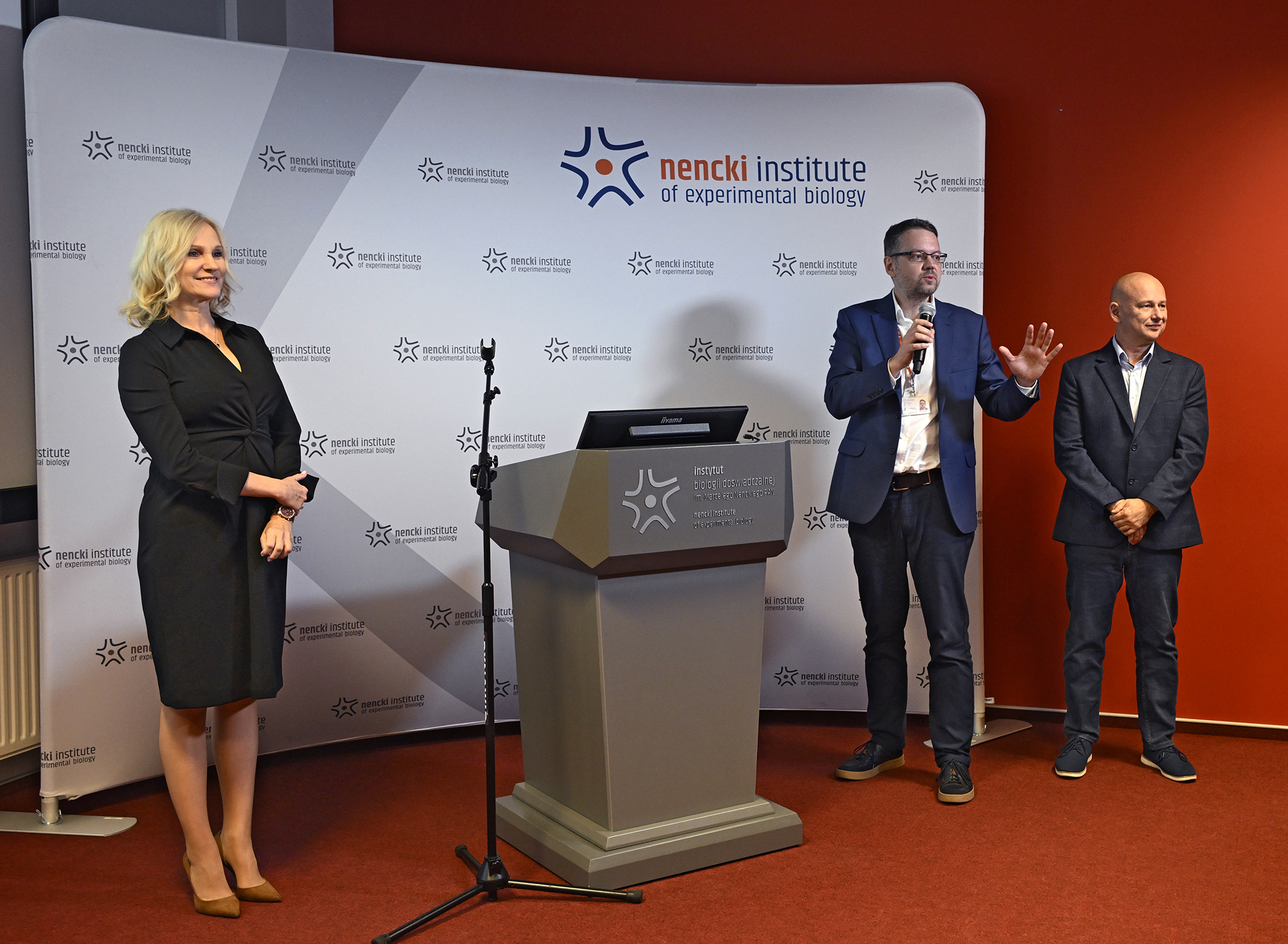
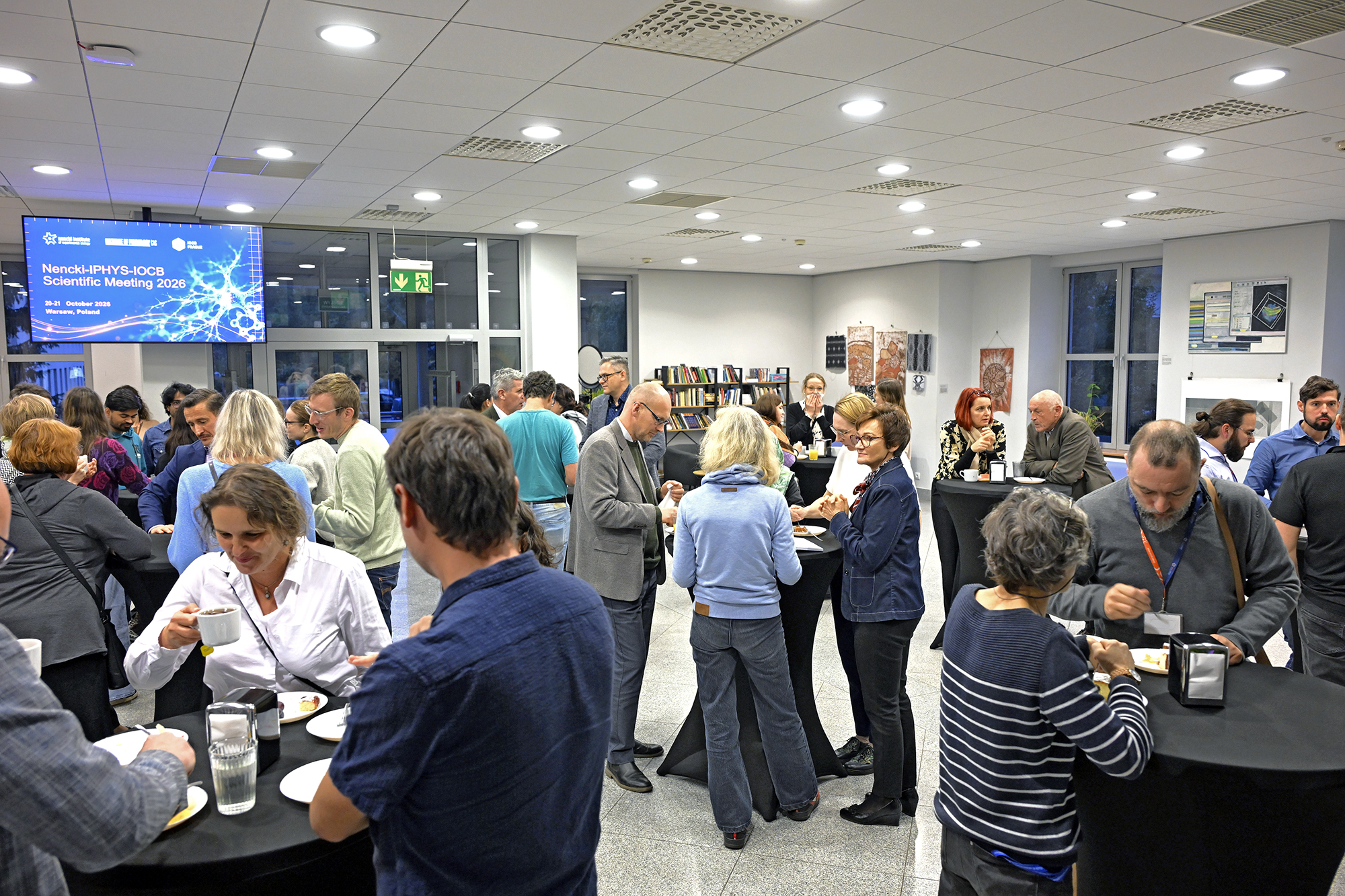
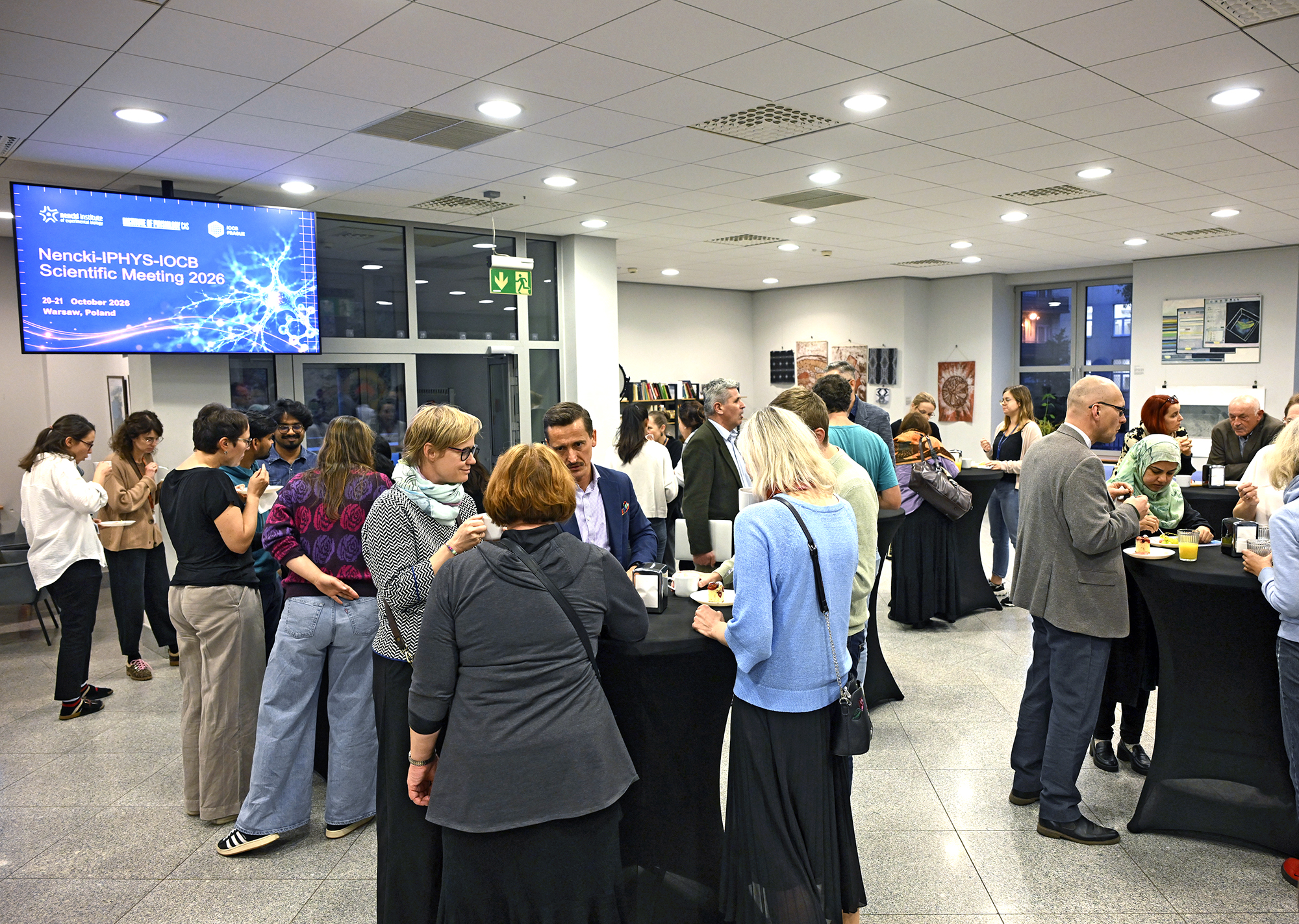
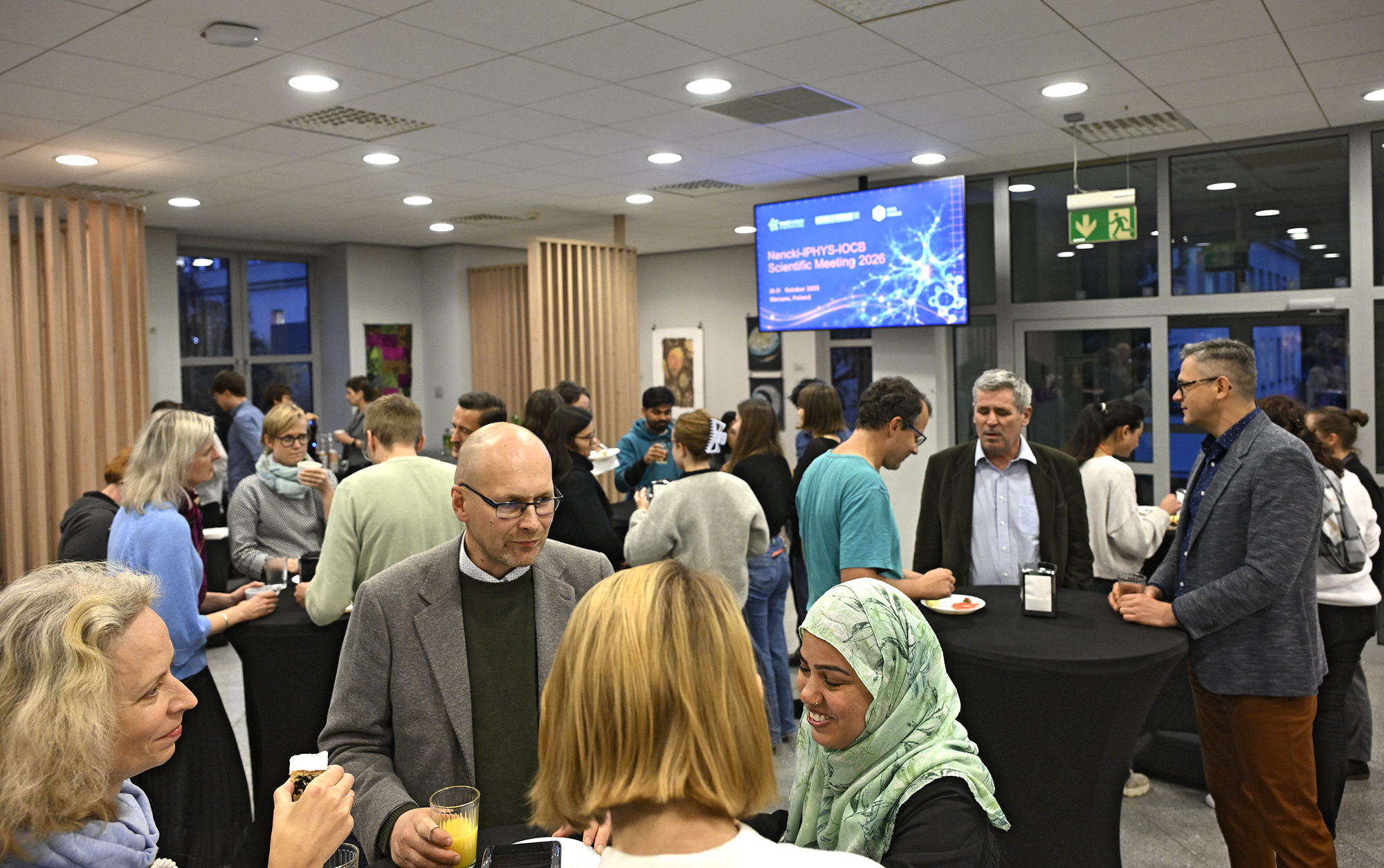
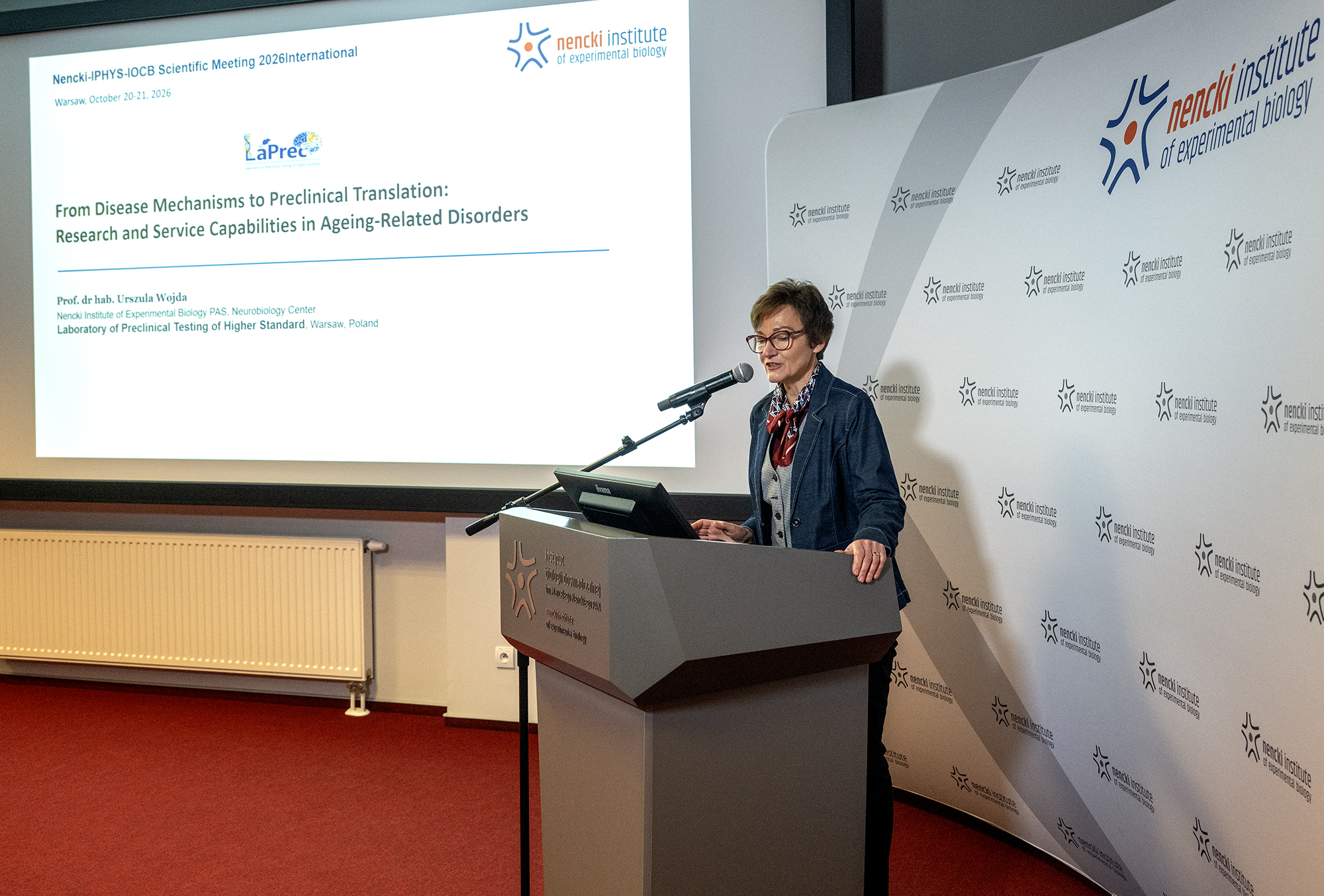
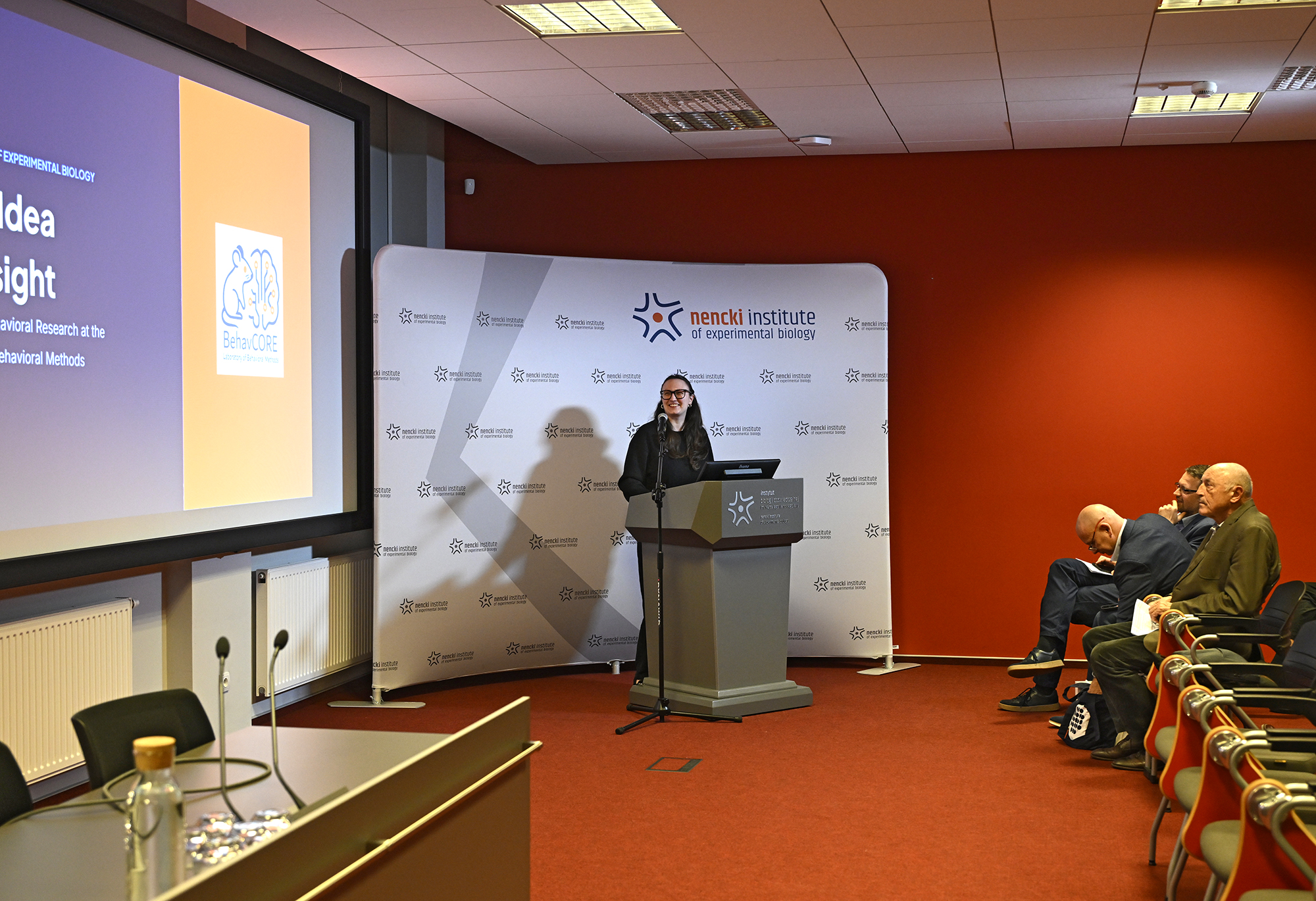
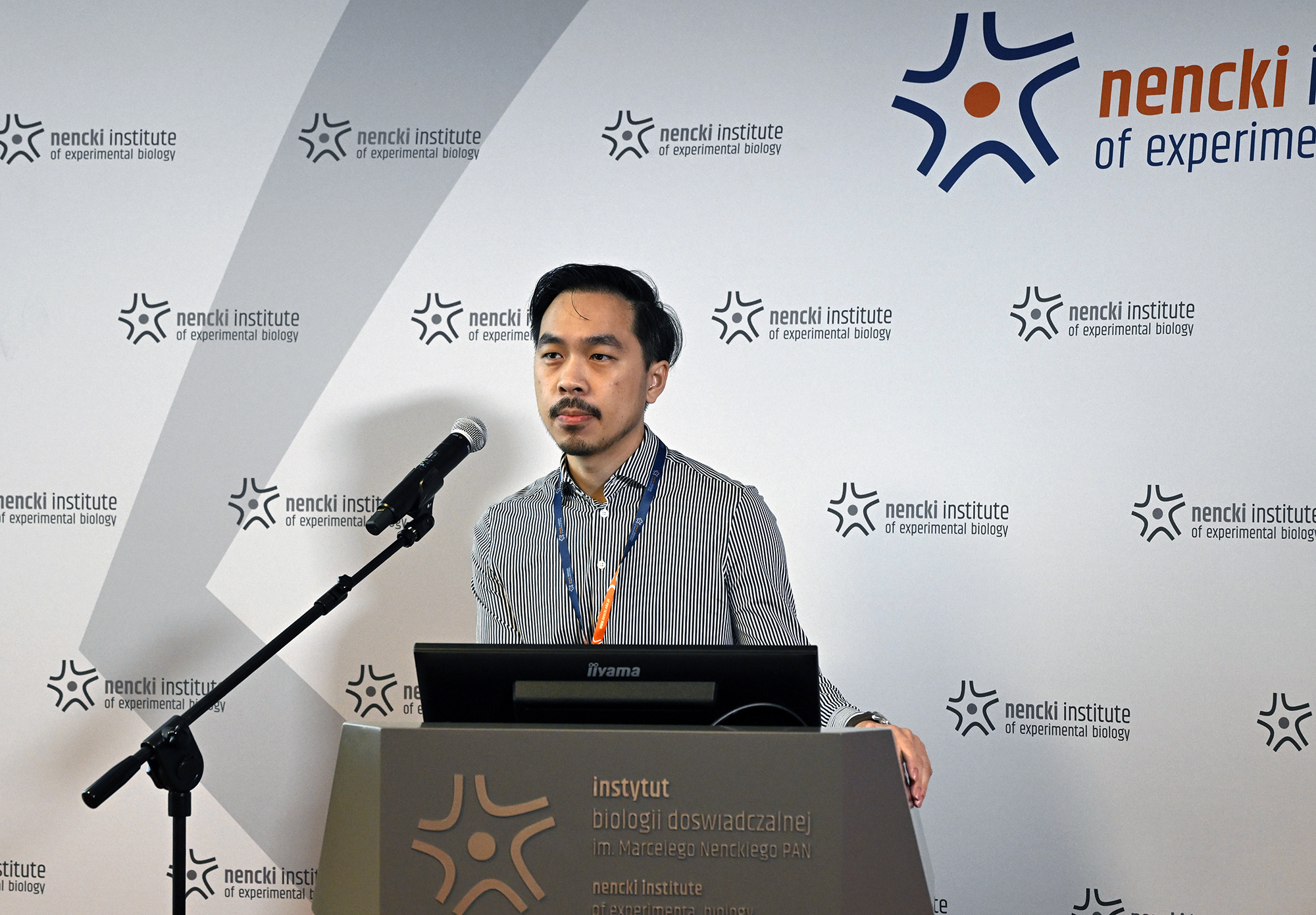
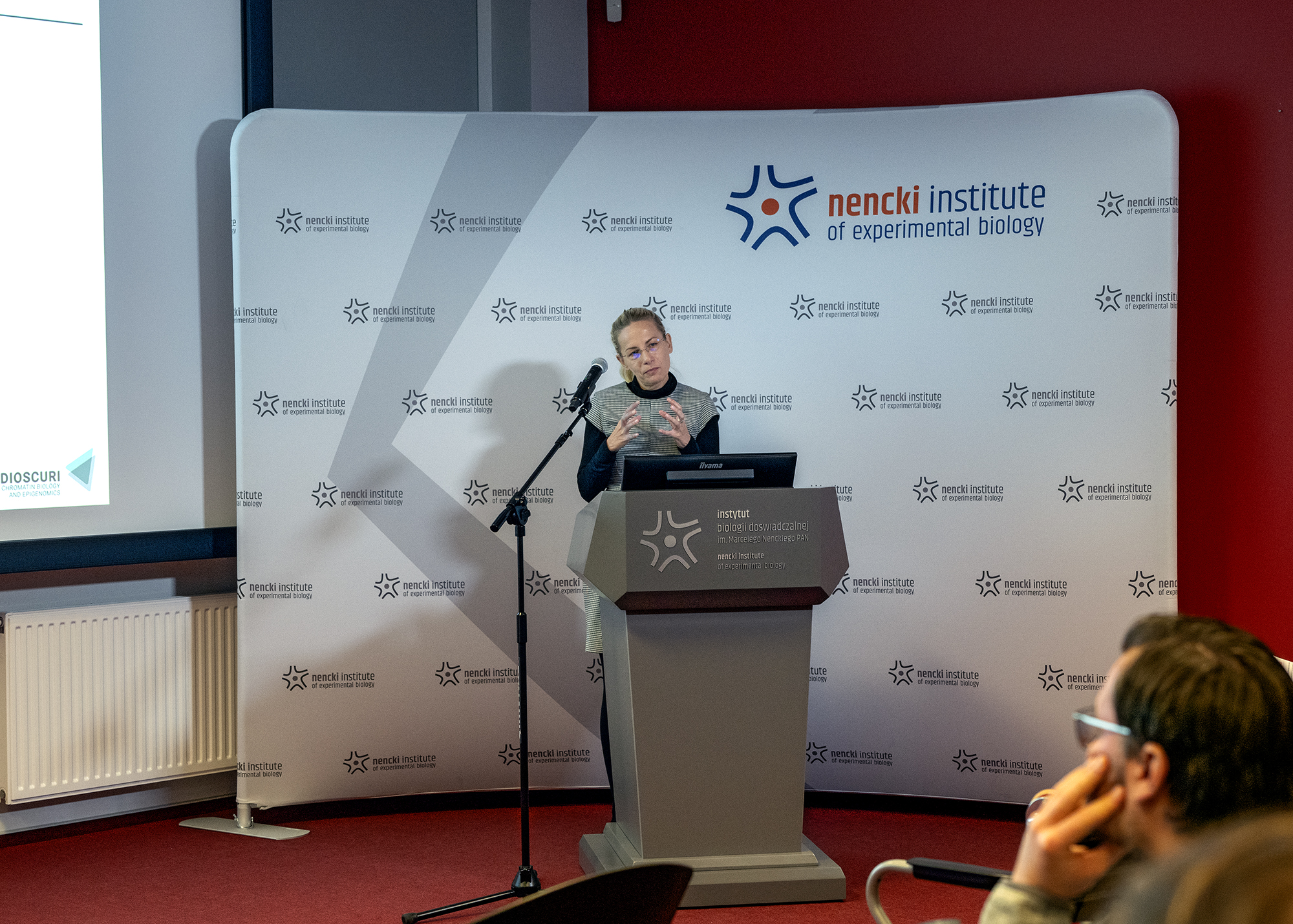
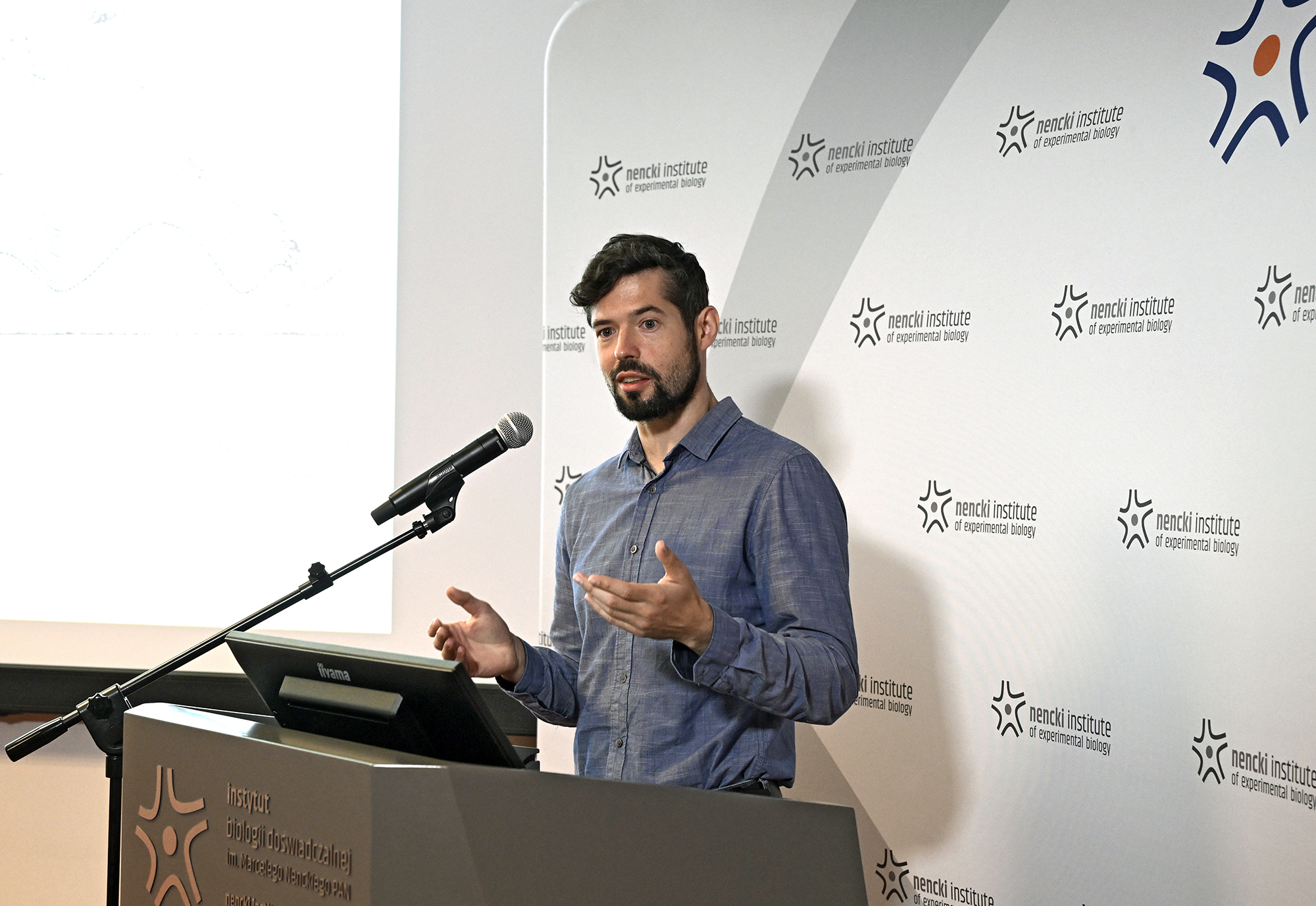
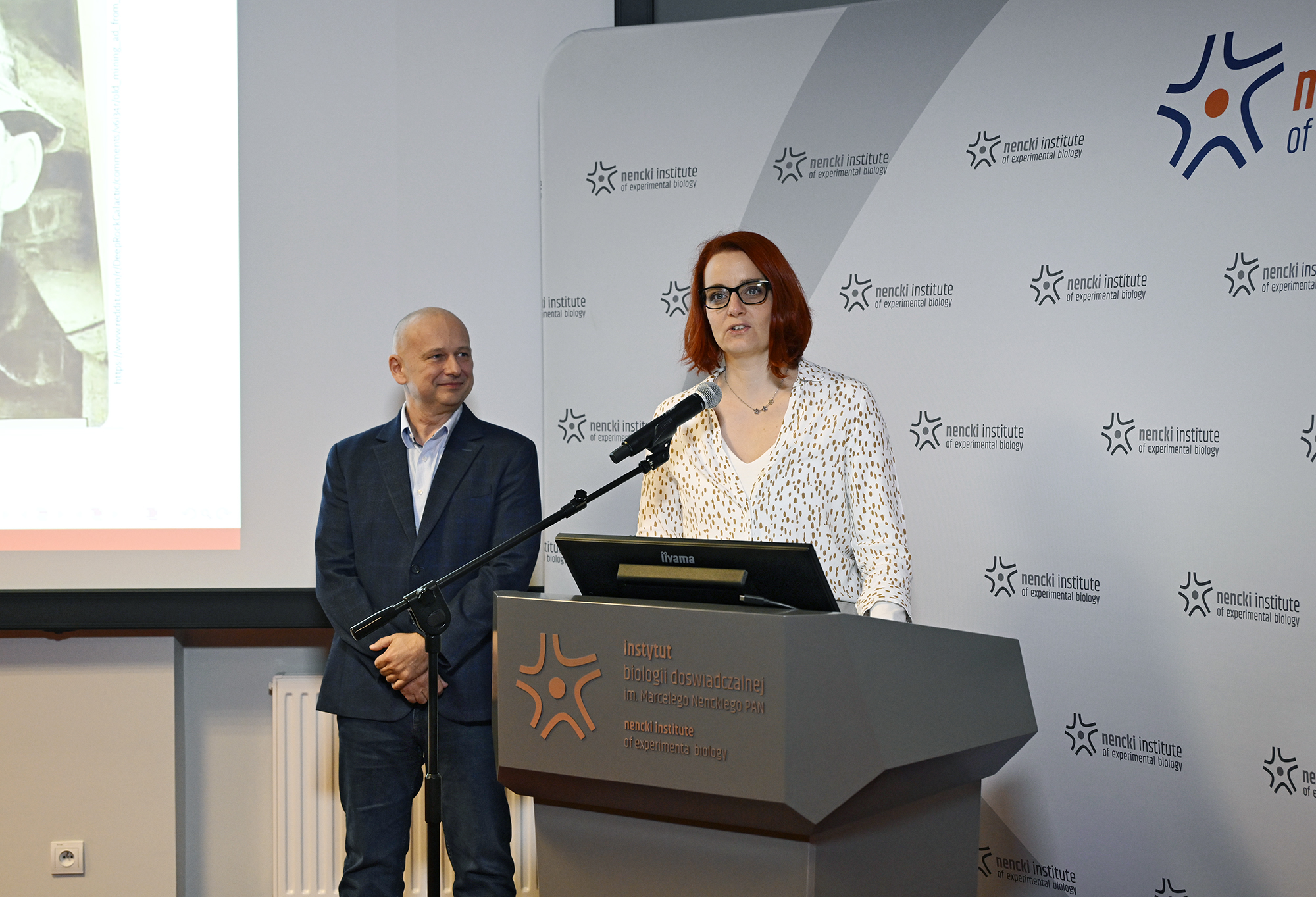
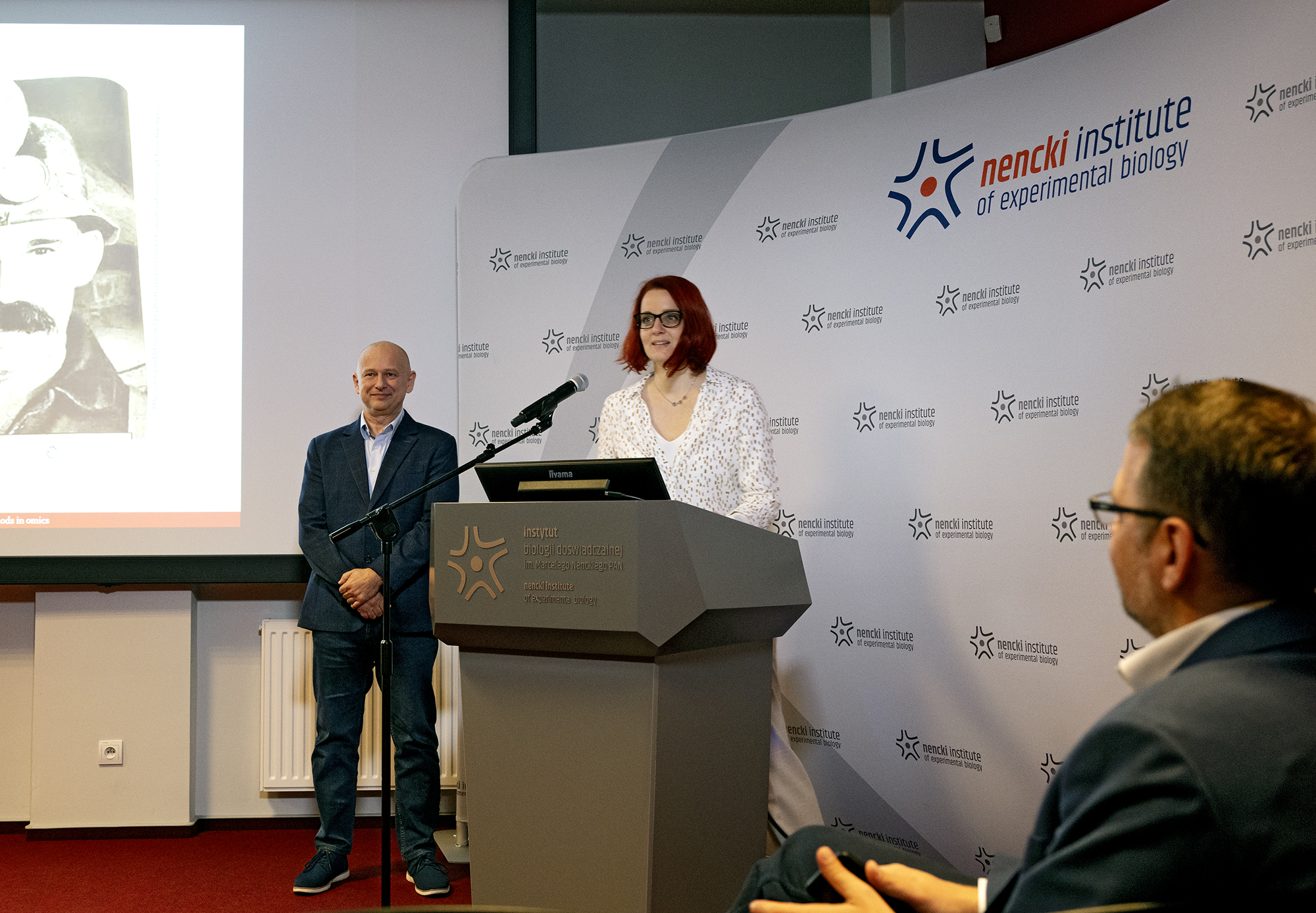
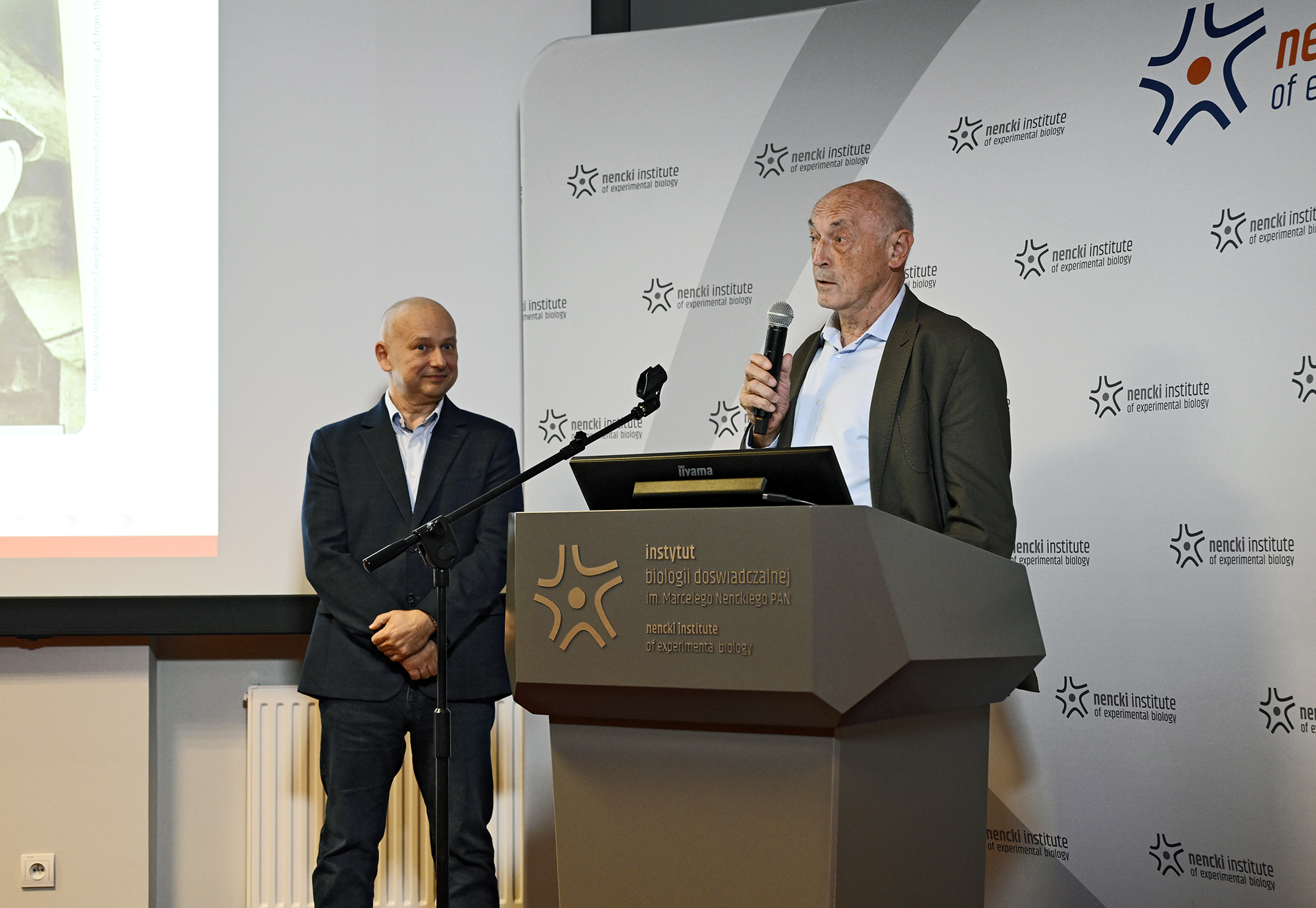
New research projects and the achievements of long-standing collaborations were at the heart of a meeting bringing together scientists from the Nencki Institute, the Institute of Physiology (IPHYS), and the Institute of Organic Chemistry and Biochemistry (IOCB Prague). The meeting took place in Warsaw on 20–21 October.
The Polish–Czech partnership dates back to 2017, when the Nencki Institute of Experimental Biology of the Polish Academy of Sciences and IPHYS, both specialising in biological and physiological research, signed a cooperation agreement. In 2024, IOCB Prague joined the partnership, bringing expertise in organic chemistry and the design and investigation of biologically active compounds.
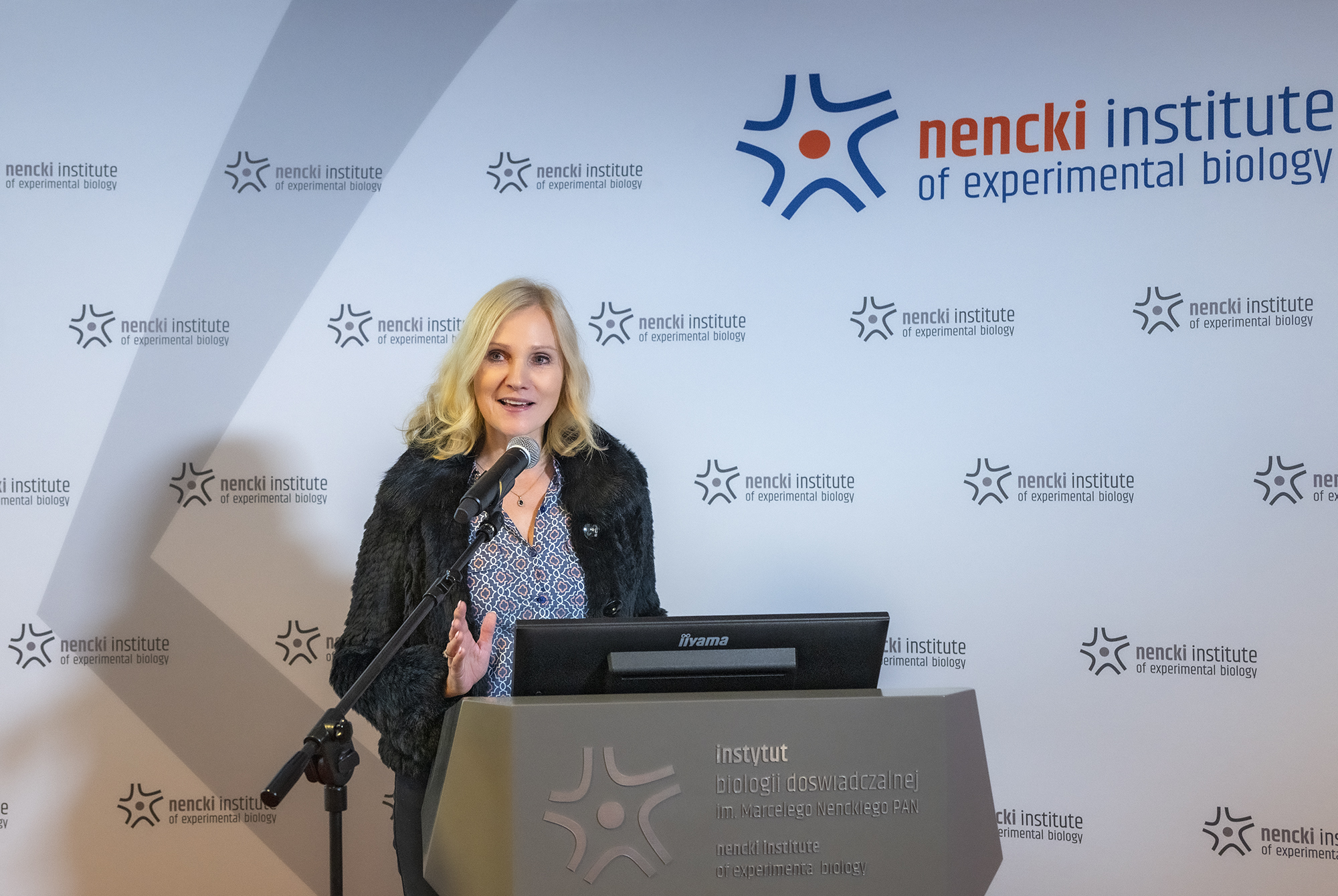
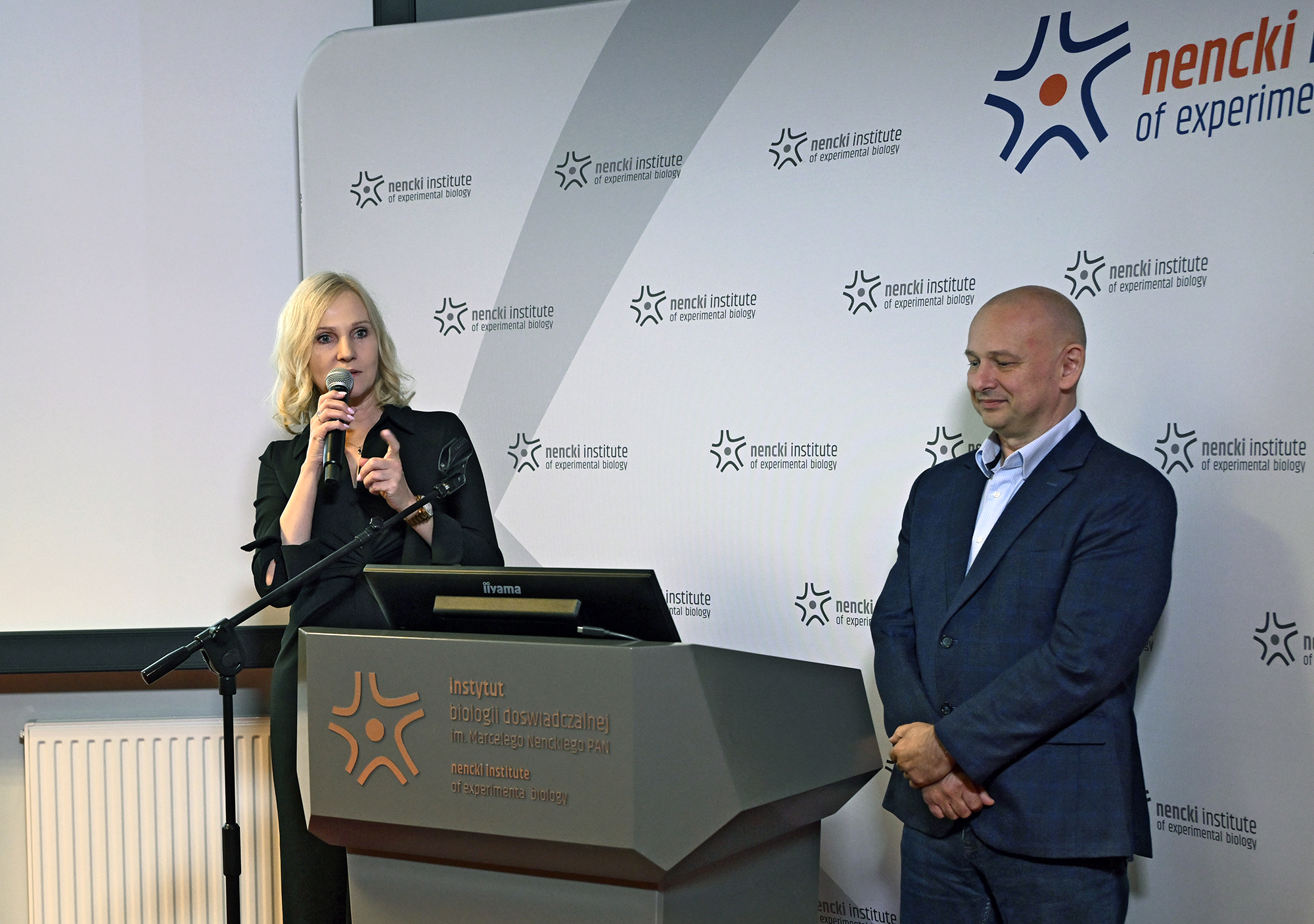
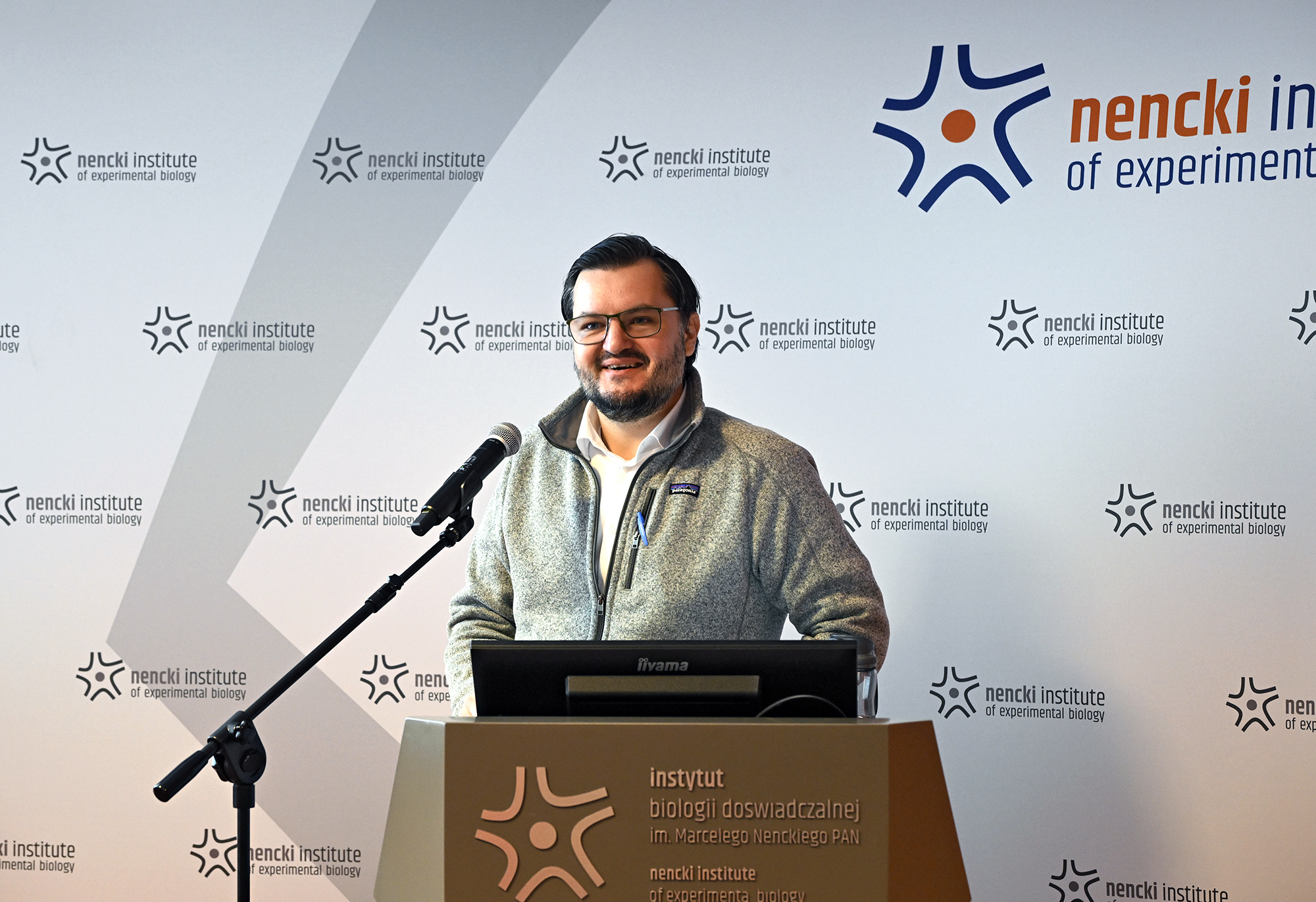
Opening the meeting, Prof. Agnieszka Dobrzyń, Director of the Nencki Institute, reflected on the partners’ achievements to date.
“I am delighted that today we can discuss not only our future collaboration, but also the results of projects we began almost ten years ago,” she emphasised.
One such project involves research conducted by the teams of Dr Martin Rossmeisl from IPHYS and Prof. Mariusz Więckowski from the Nencki Institute.
“We study metabolic dysfunction-associated steatotic liver disease (MASLD). By combining our areas of expertise, we have developed, among other things, new mouse models of the disease,” explains Dr Martin Rossmeisl.
The benefits of Polish–Czech collaboration extend beyond research itself, offering valuable opportunities for PhD students to develop their skills and broaden their horizons.
“Working in laboratories at our partner institutes is particularly valuable for young scientists from the Nencki Institute. It gives them the opportunity to learn new research techniques, work alongside other specialists, and gain experience in an international environment,” adds Prof. Mariusz Więckowski.
Another example of successful Polish–Czech collaboration is the research carried out by Prof. Tomasz Wypych’s team at the Nencki Institute together with chemists from IOCB Prague.
“We discovered a naturally occurring compound that has shown protective effects against respiratory diseases in mice. Together with our Czech colleagues, we are developing modified versions of this compound, several of which have demonstrated stronger effects than the original,” says Prof. Tomasz Wypych.
These joint projects show how the institutes’ complementary strengths can lead to new discoveries.
“The Nencki Institute brings expertise in biological processes, while we specialise in designing and modifying chemical compounds that could be used to treat diseases. That is the strength of our collaboration,” notes Dr Eva Kudová from IOCB Prague.
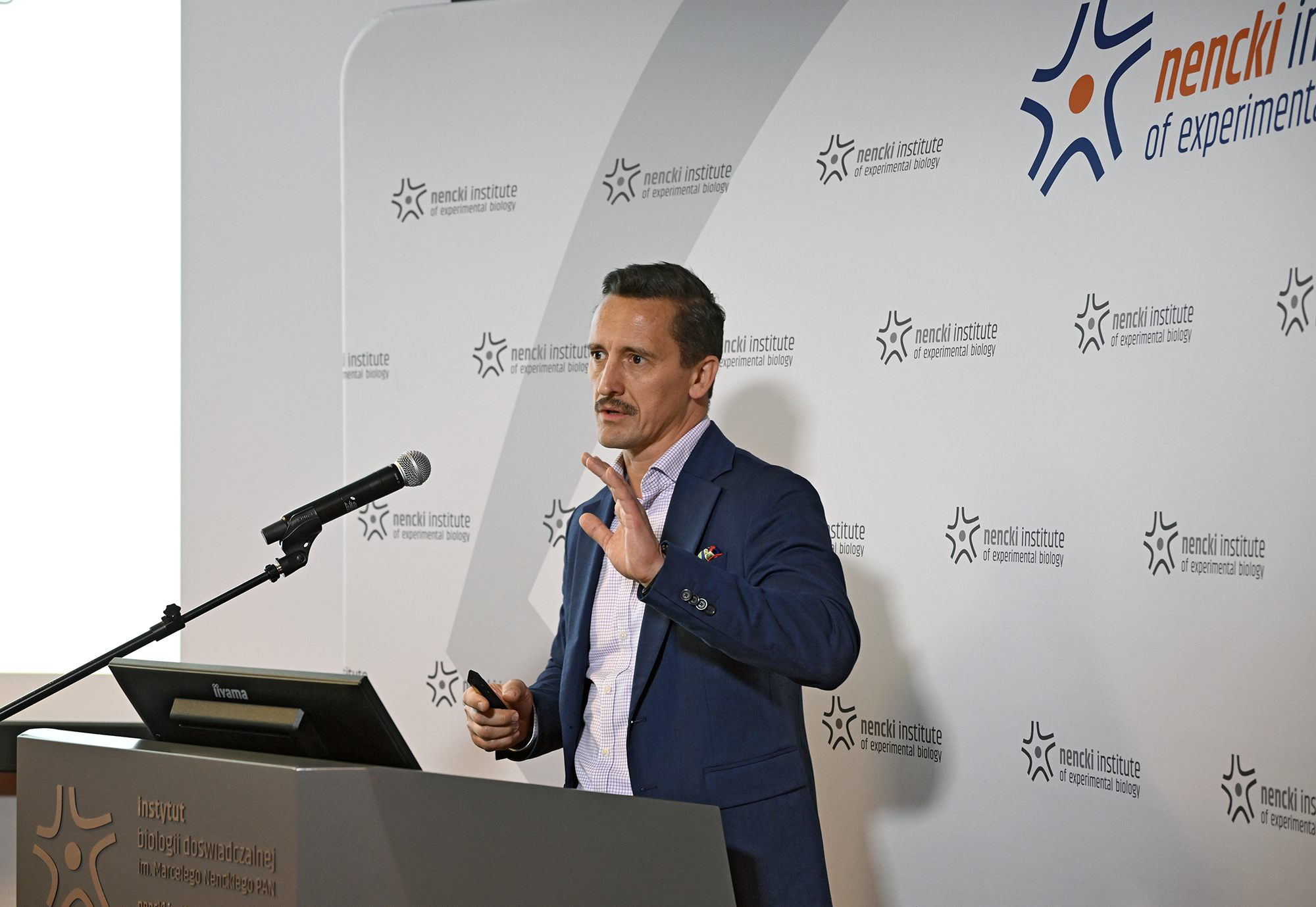
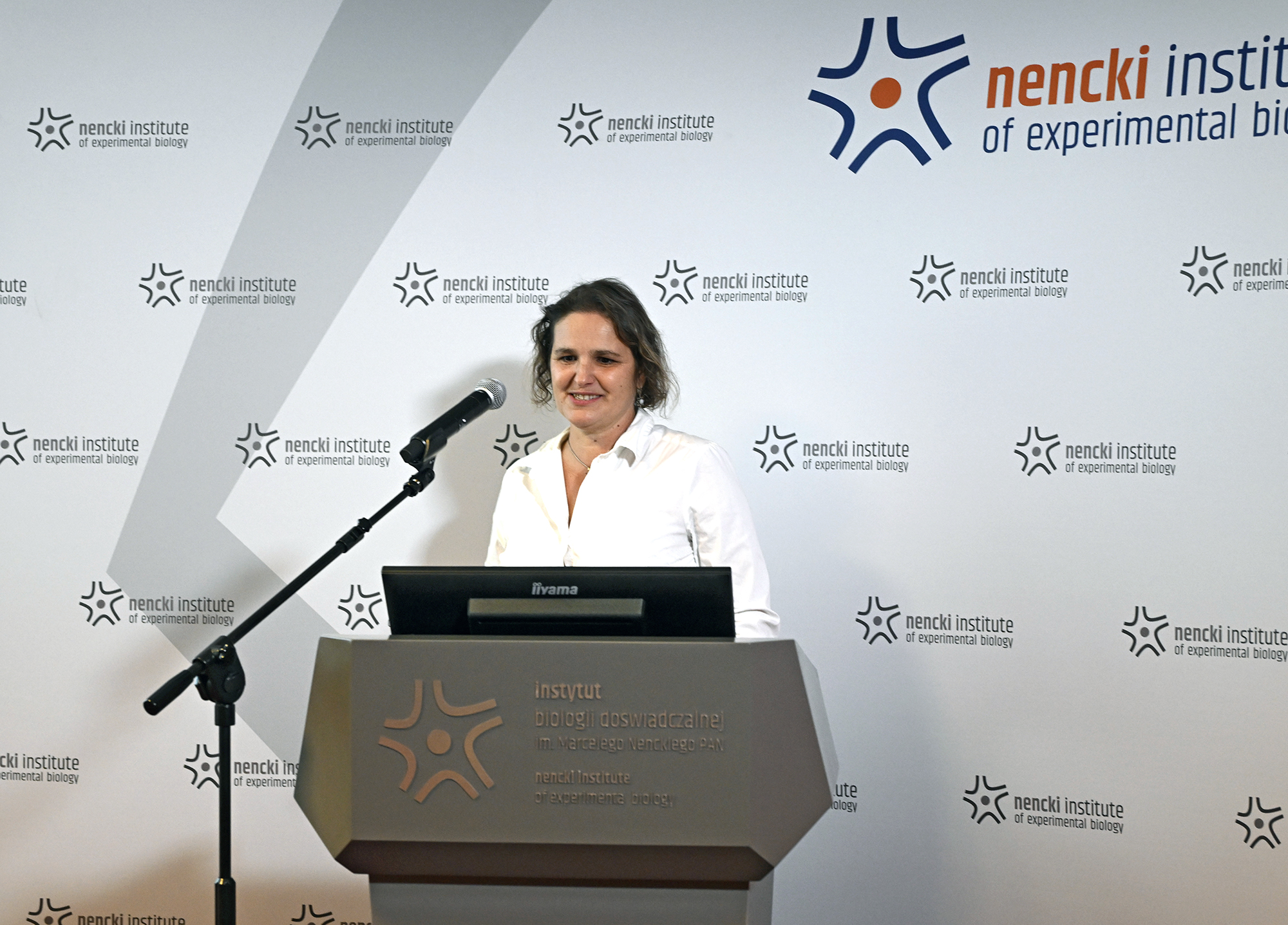
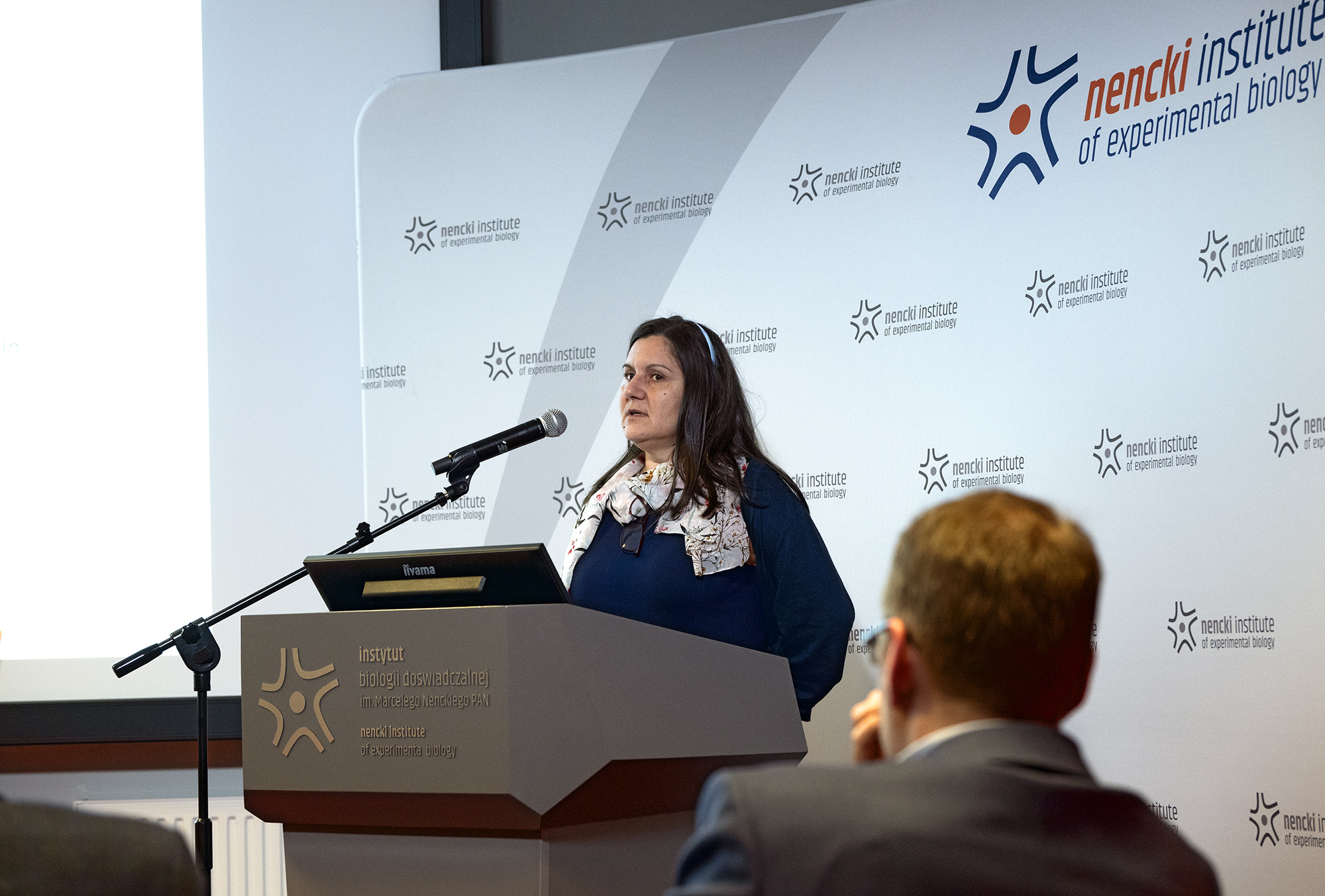
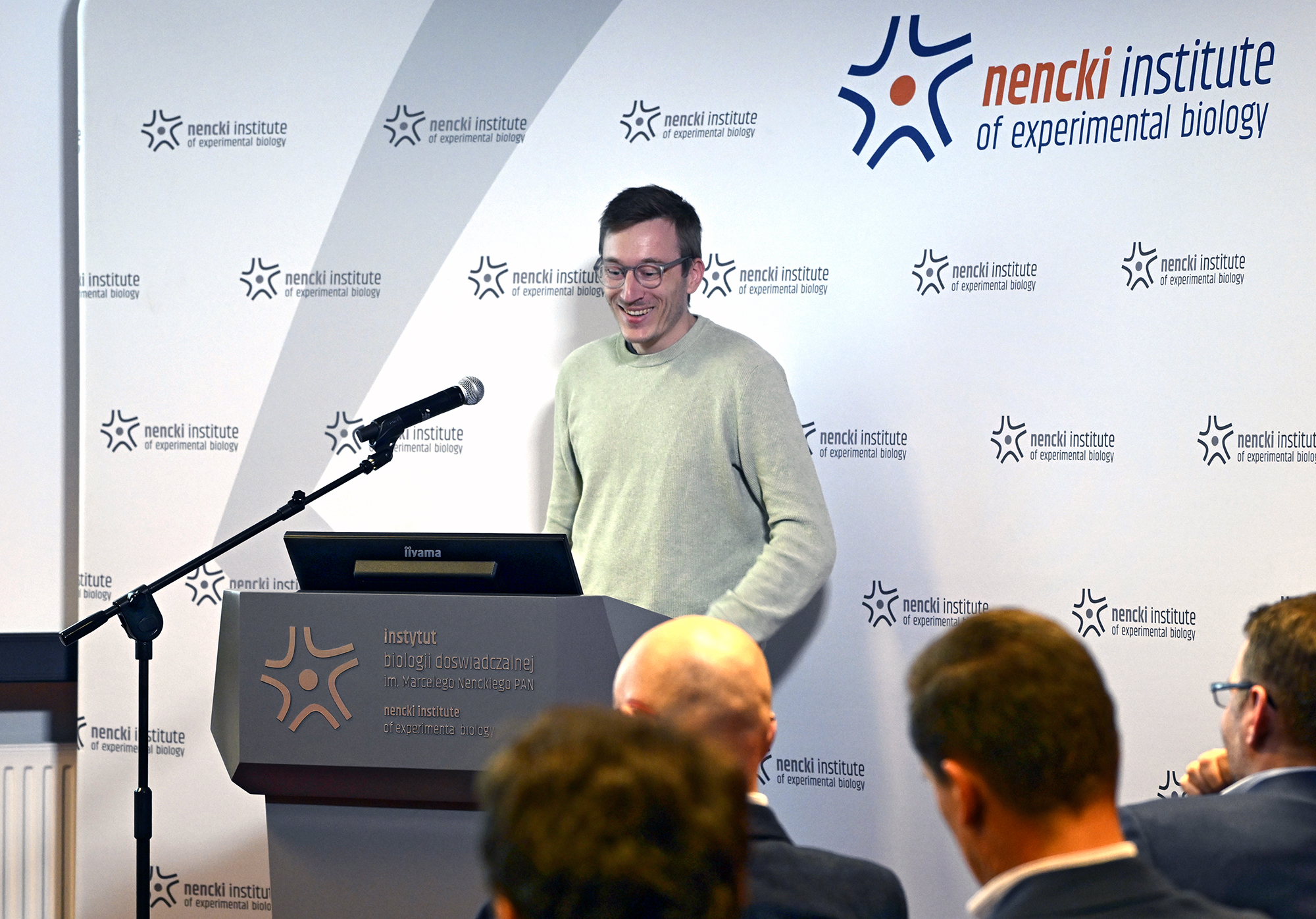
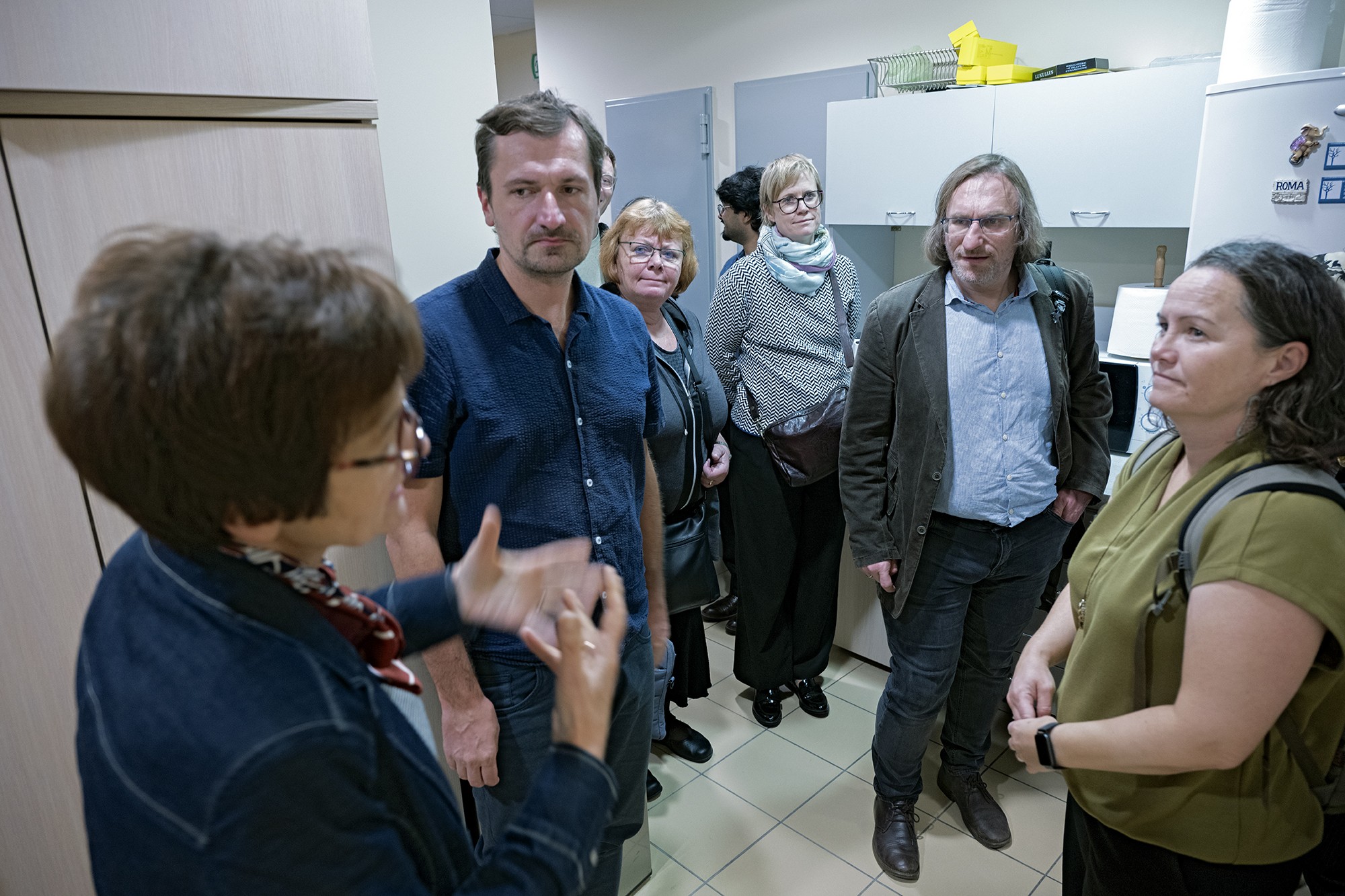
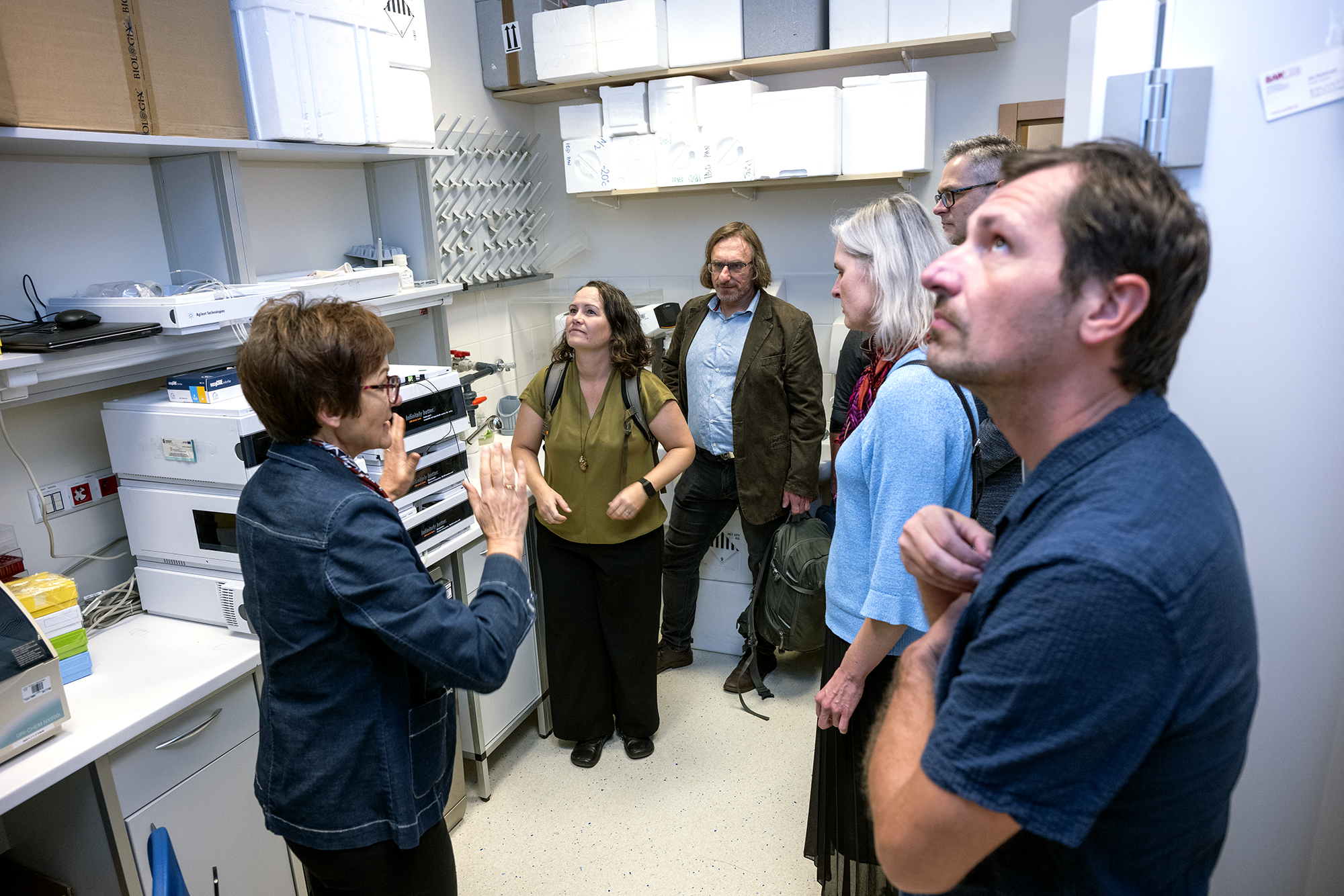
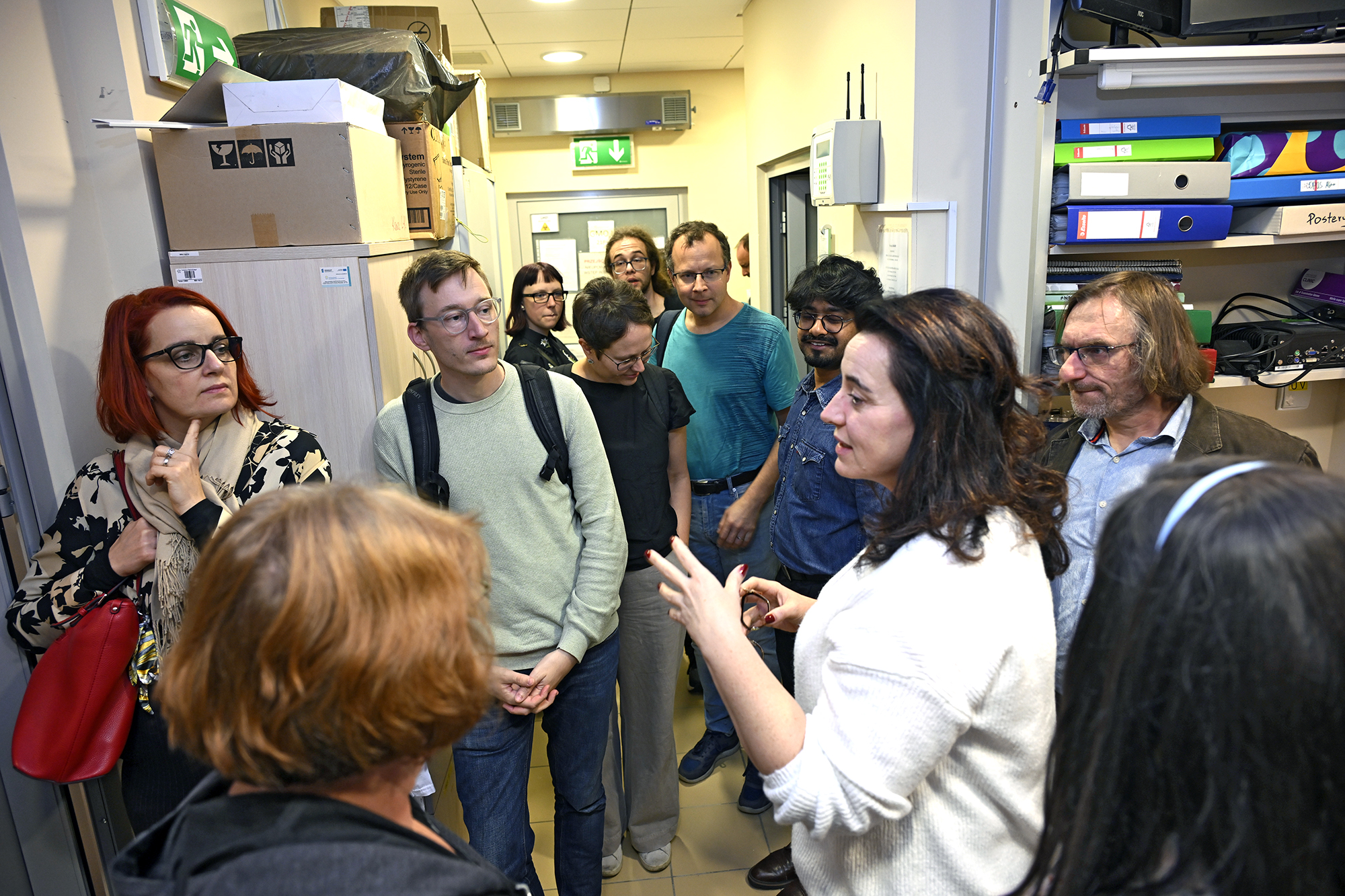
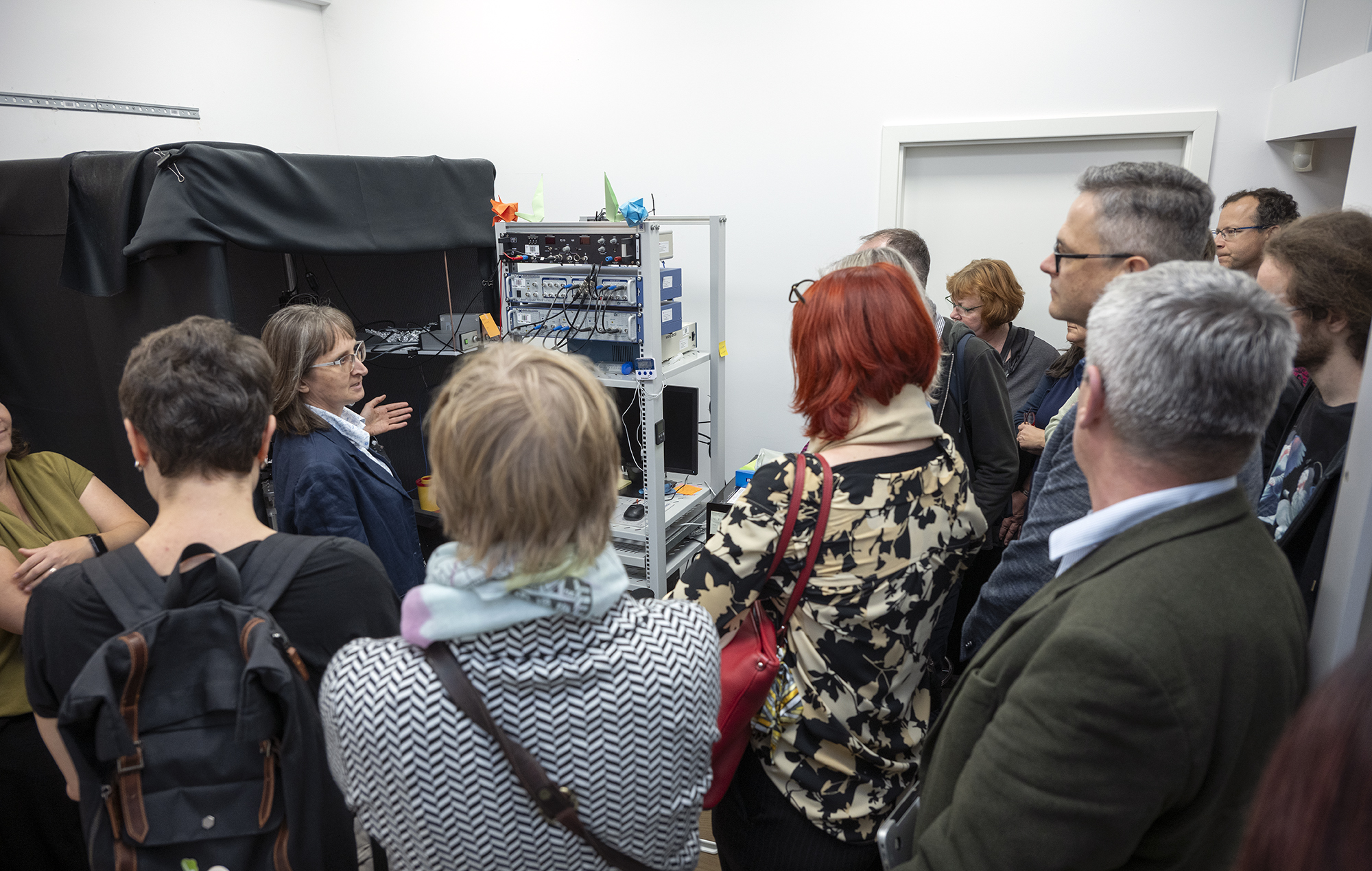
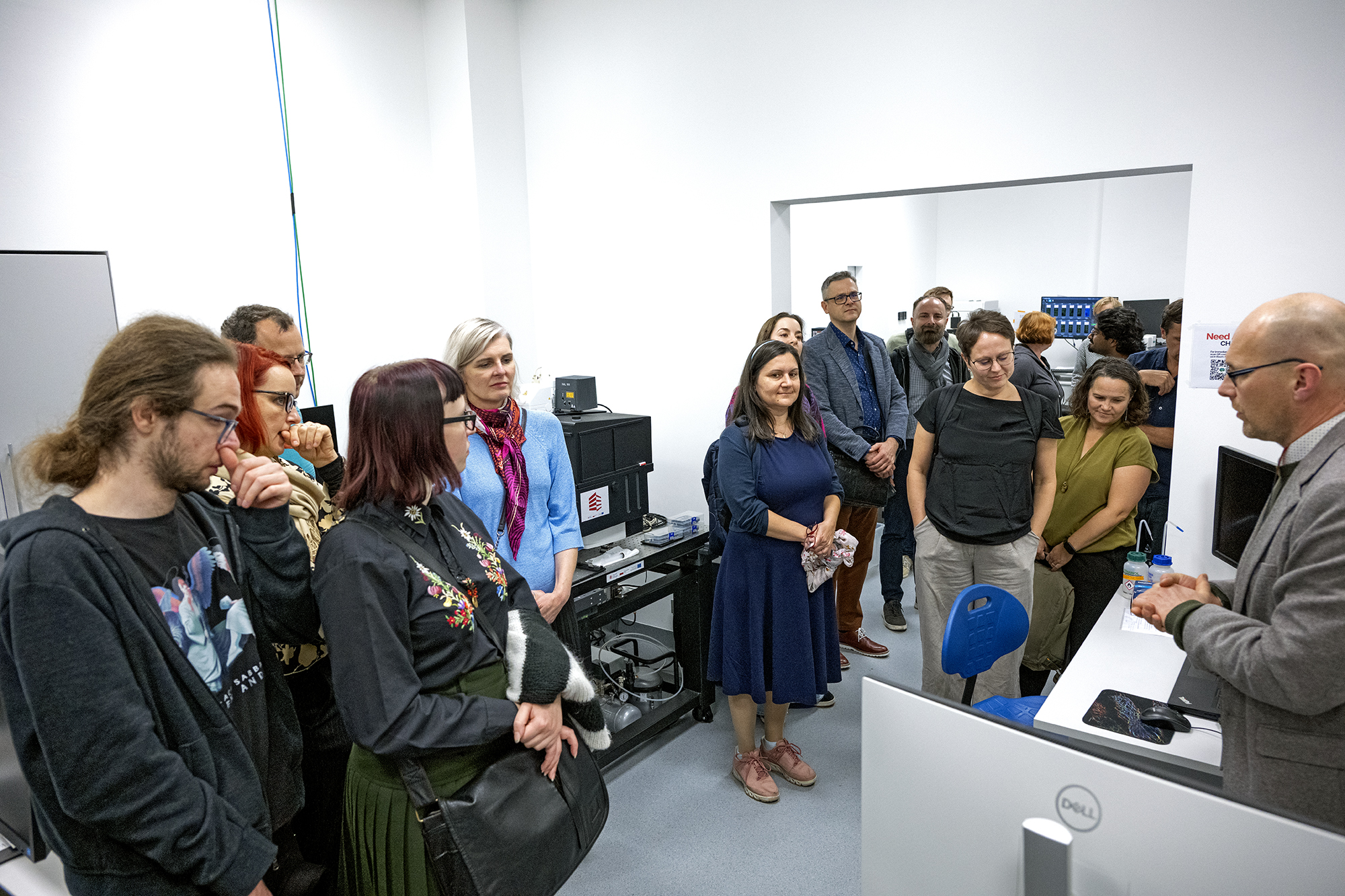
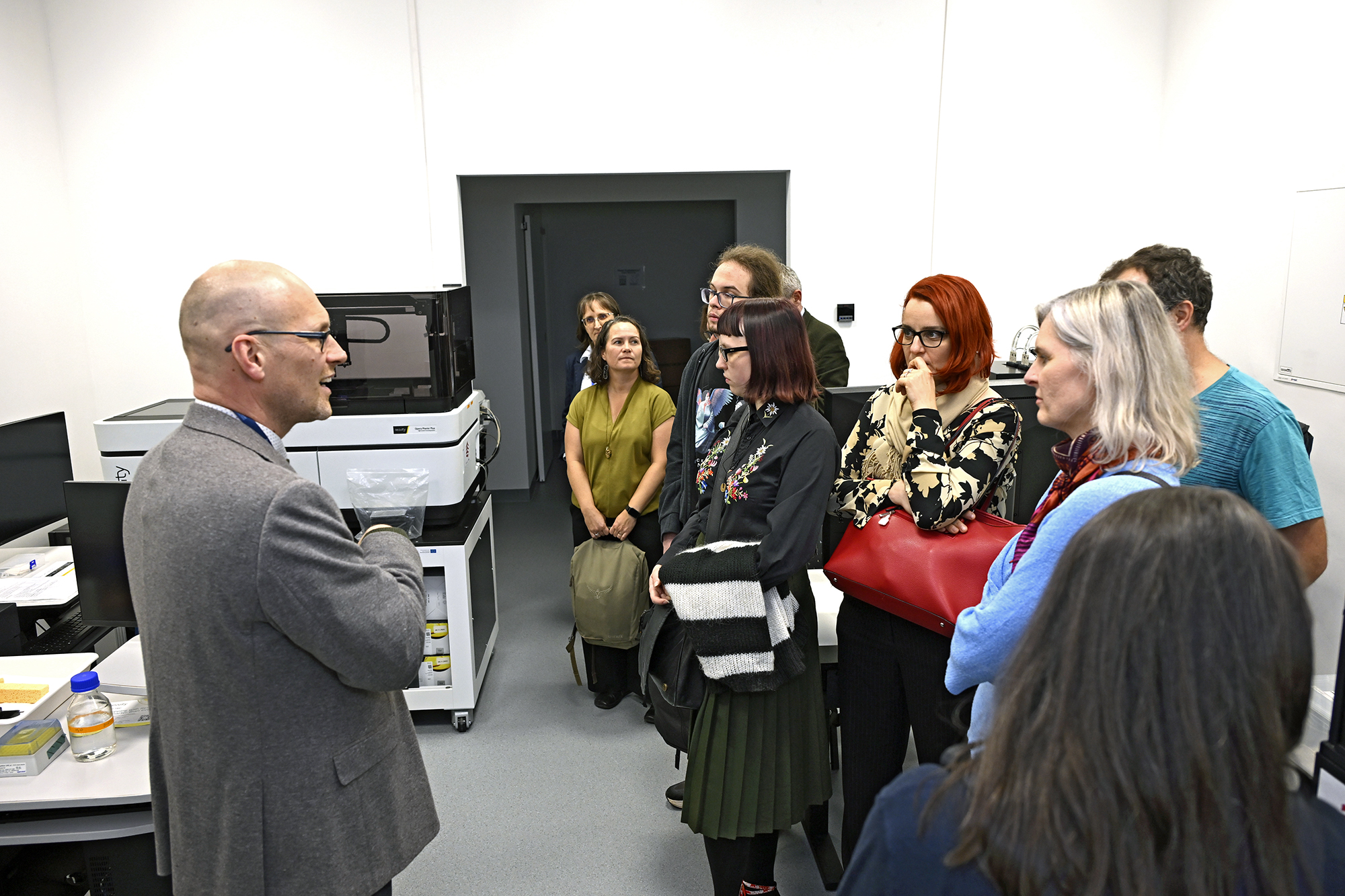
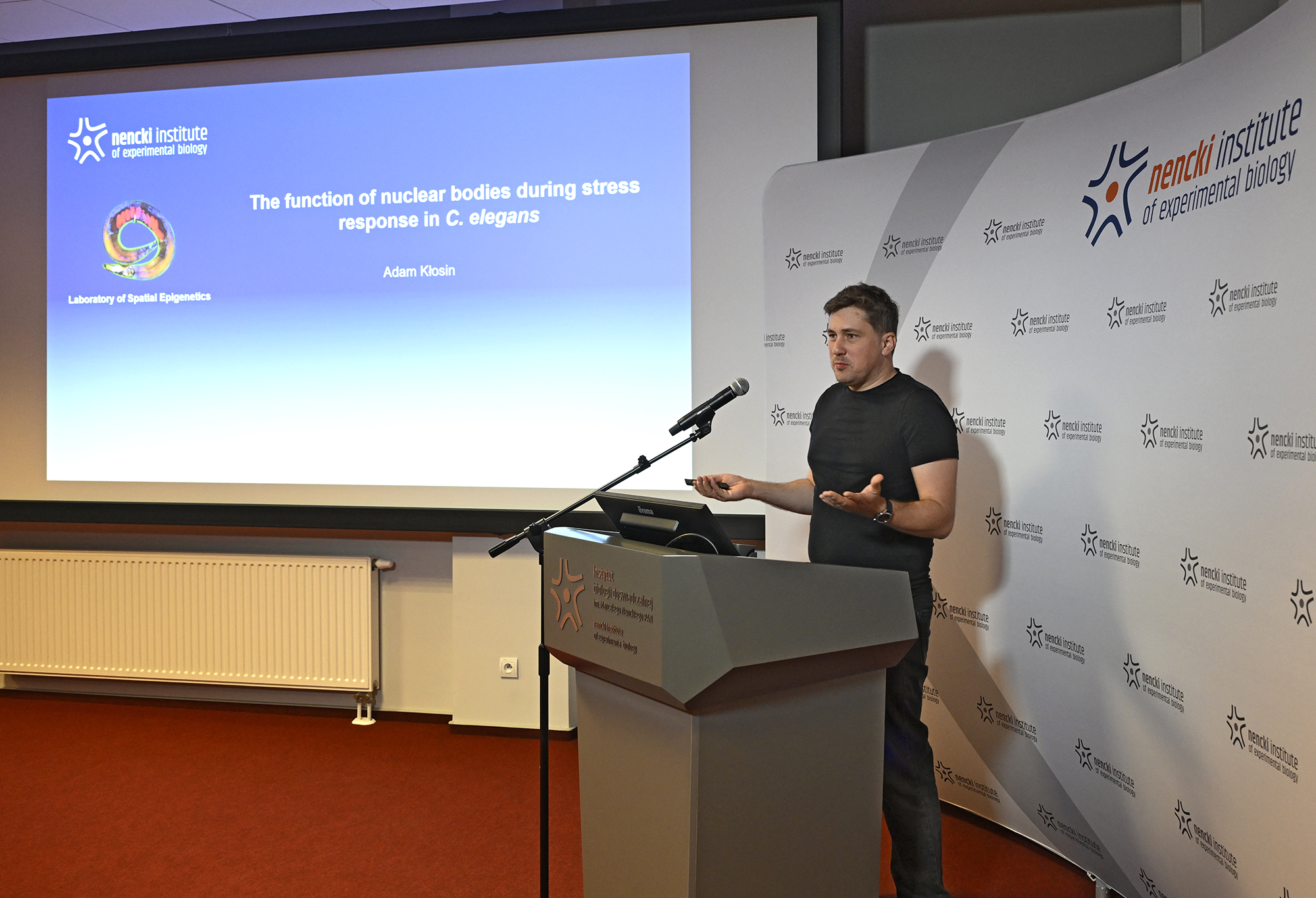
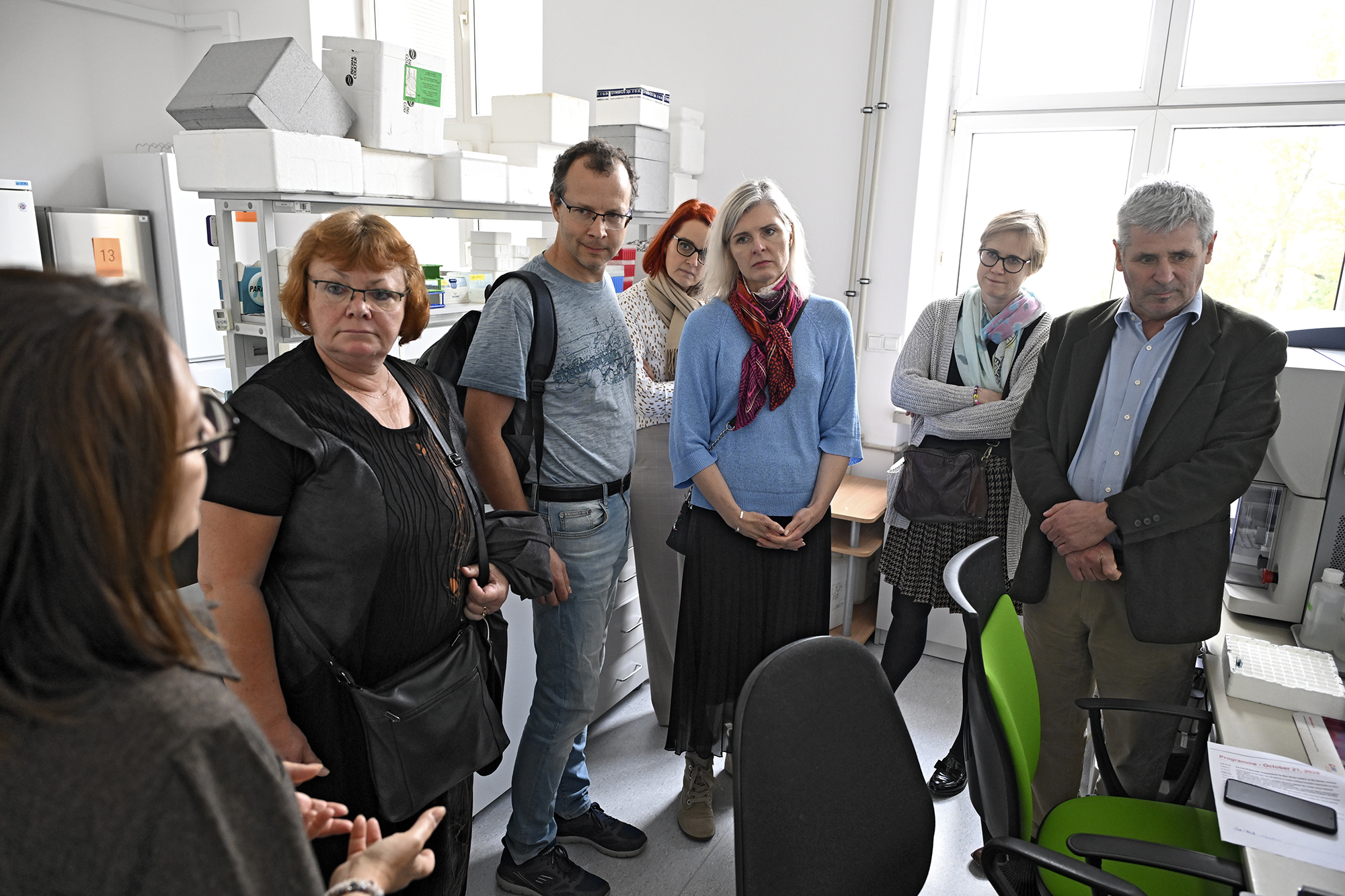
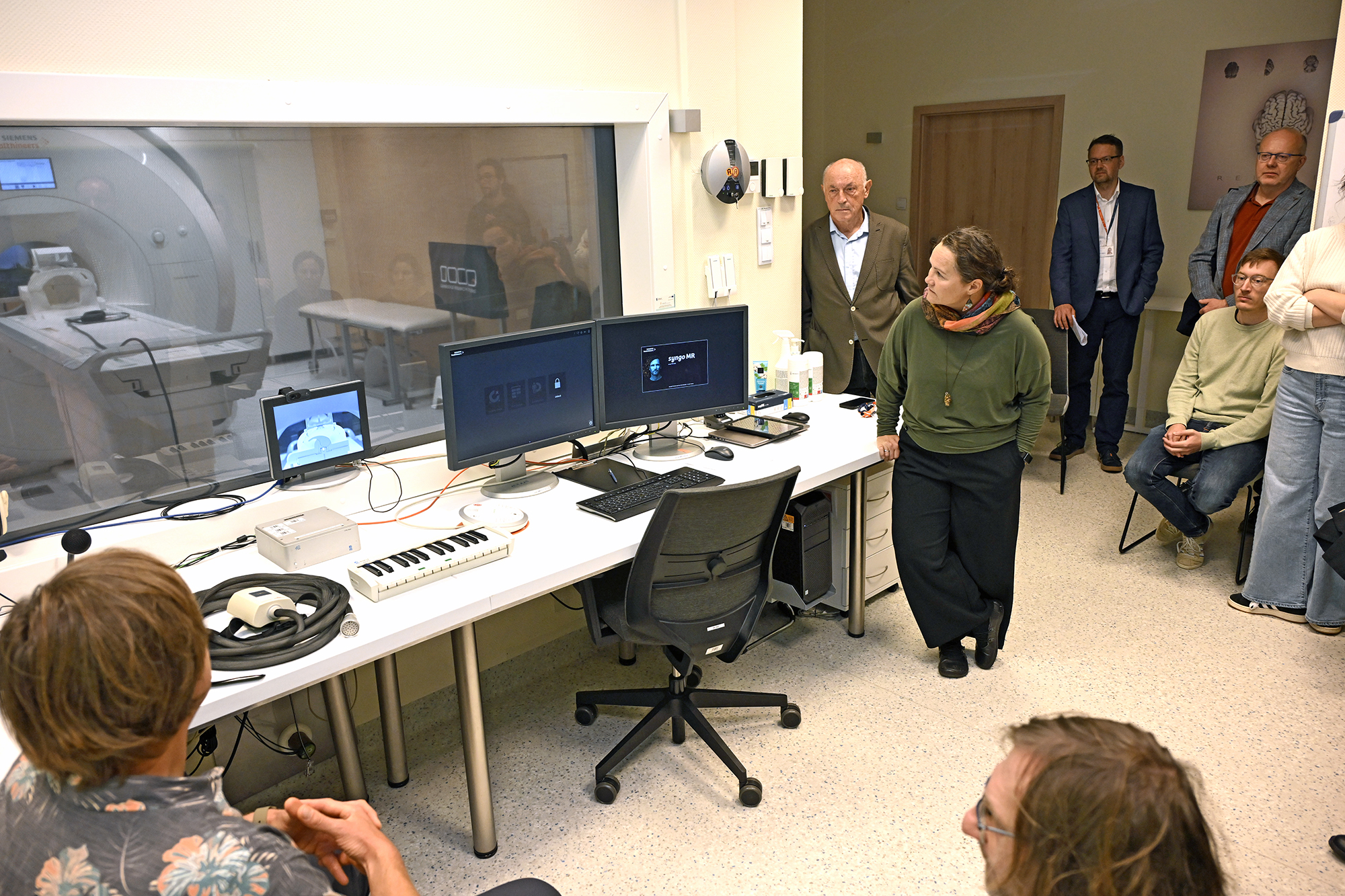
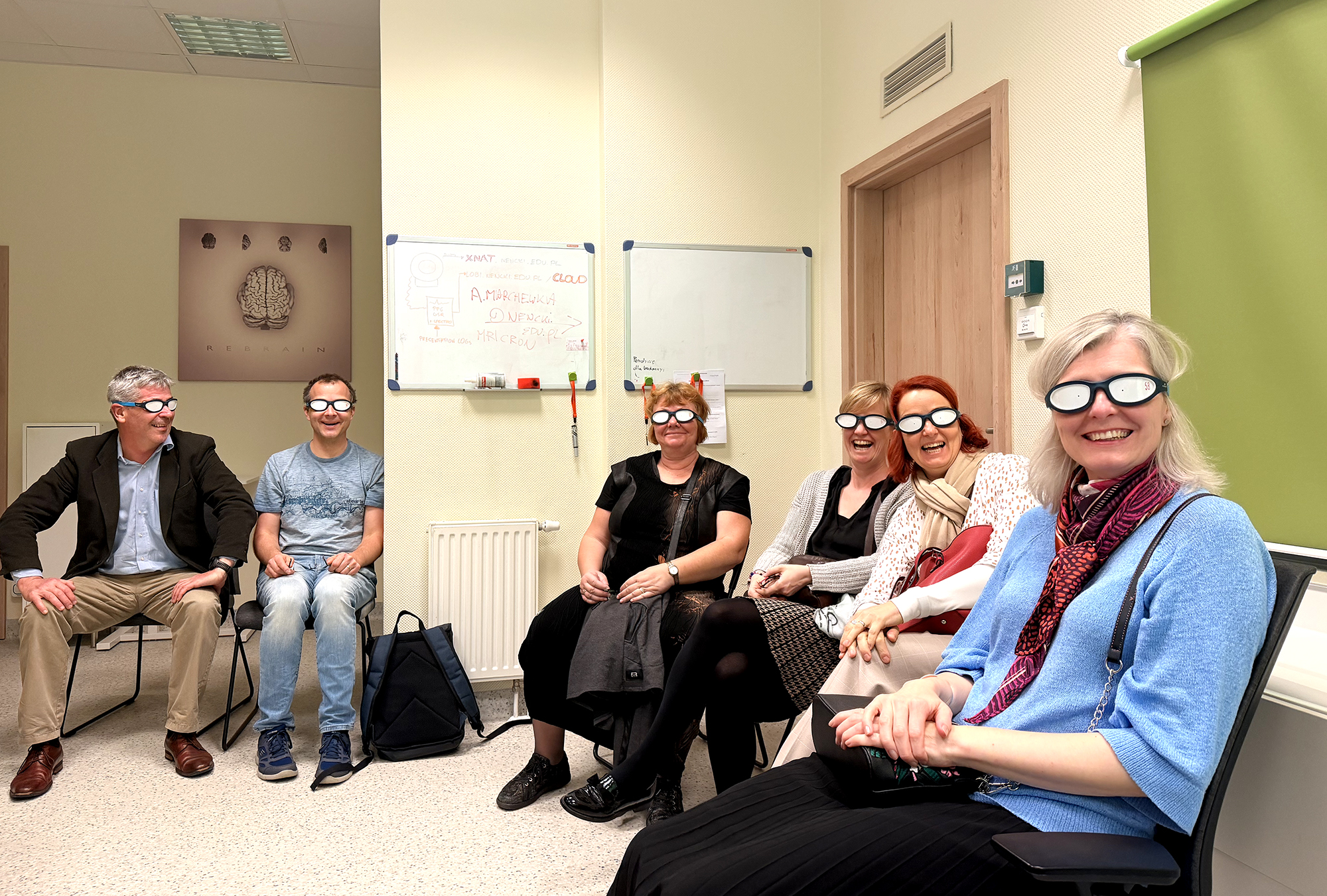
This year’s meeting aimed to help scientists from the three institutes gain a better understanding of one another’s research and identify new opportunities for collaboration. The programme included presentations by research teams, laboratory visits, and discussions with group leaders.
As Dr hab. Bogusz Kulawiak, Deputy Director of the Nencki Institute, pointed out, direct contact between researchers and the chance to explore partners’ techniques and research infrastructure help lay the groundwork for new joint initiatives.
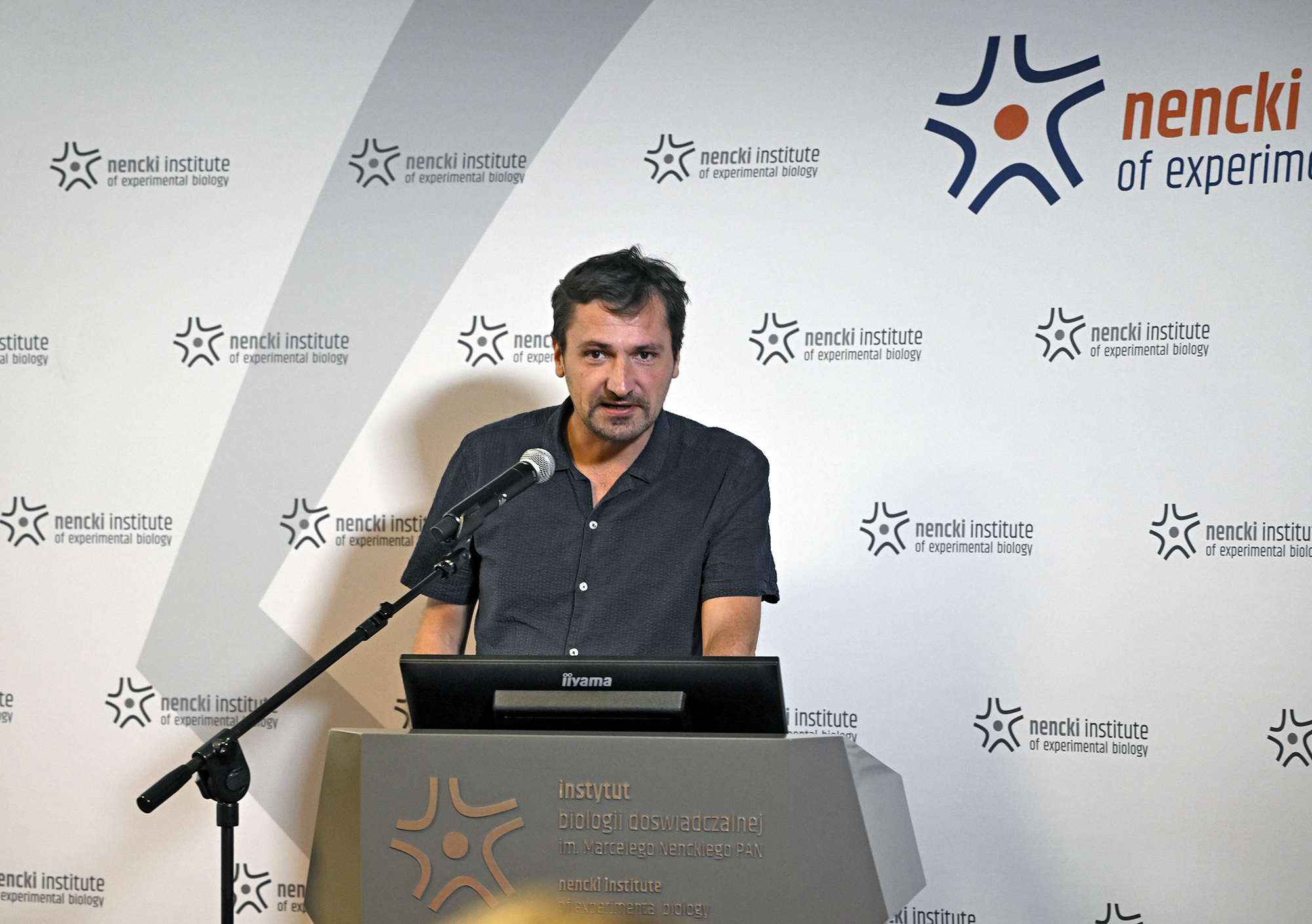
The meeting also addressed preparations for future European research funding programmes. Dr Ondřej Kuda, Director of IPHYS, highlighted the importance of developing a shared long-term strategy.
“We should look beyond the next round of grant calls and start planning our projects for the years ahead, taking future European research funding programmes into account,” he added.
Dr Lenka Maletínská, speaking on behalf of IOCB Prague’s Director, Prof. Jan Konvalinka, also expressed hope that the partnership would continue to grow.
“I am very pleased that we have another opportunity to meet. I hope we will continue to strengthen and expand our collaboration in the years to come,” she said.
Date
27 October 2026
Gallery