News
Nencki Technology Day: New Technologies, New Research Opportunities
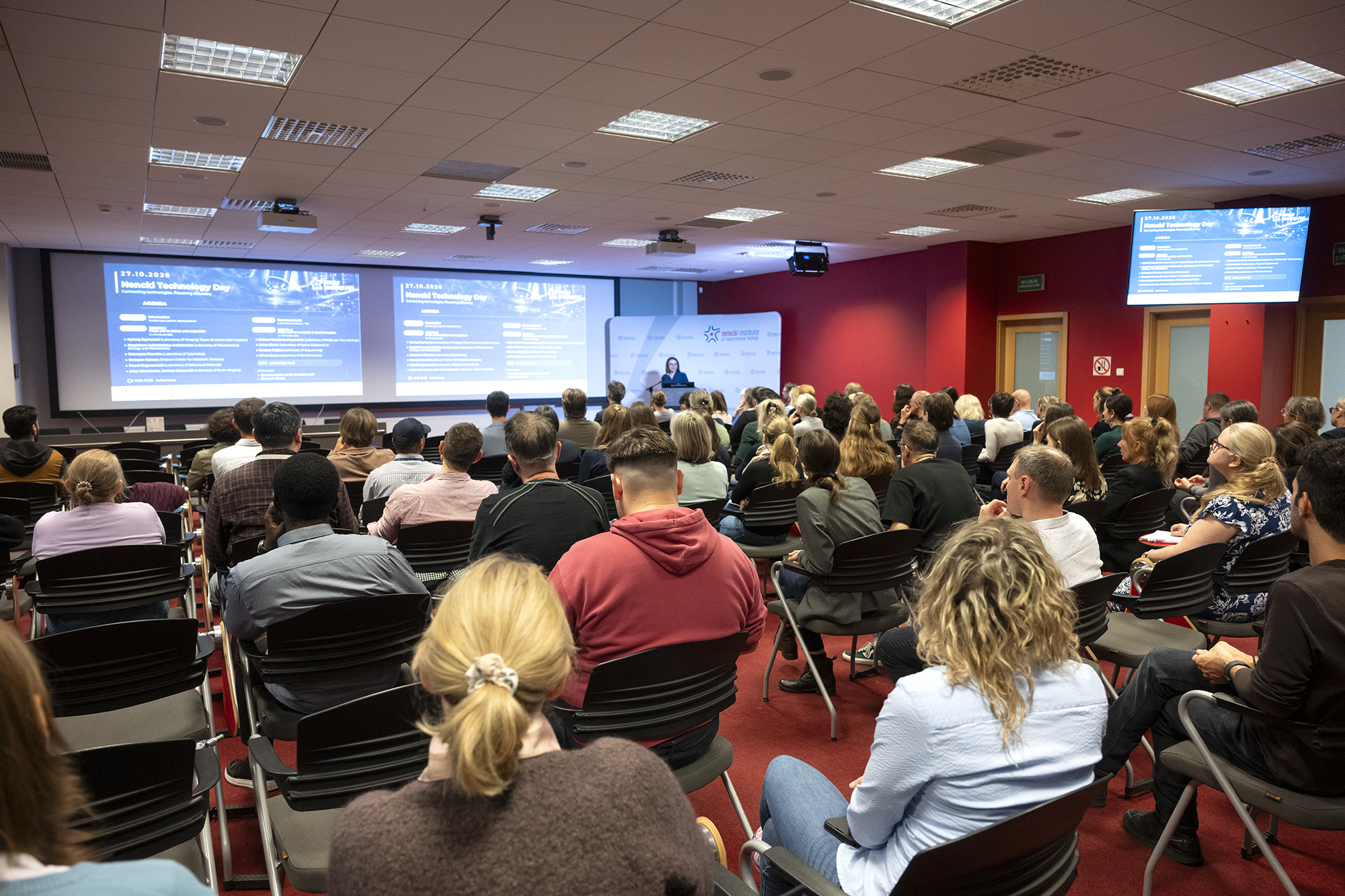
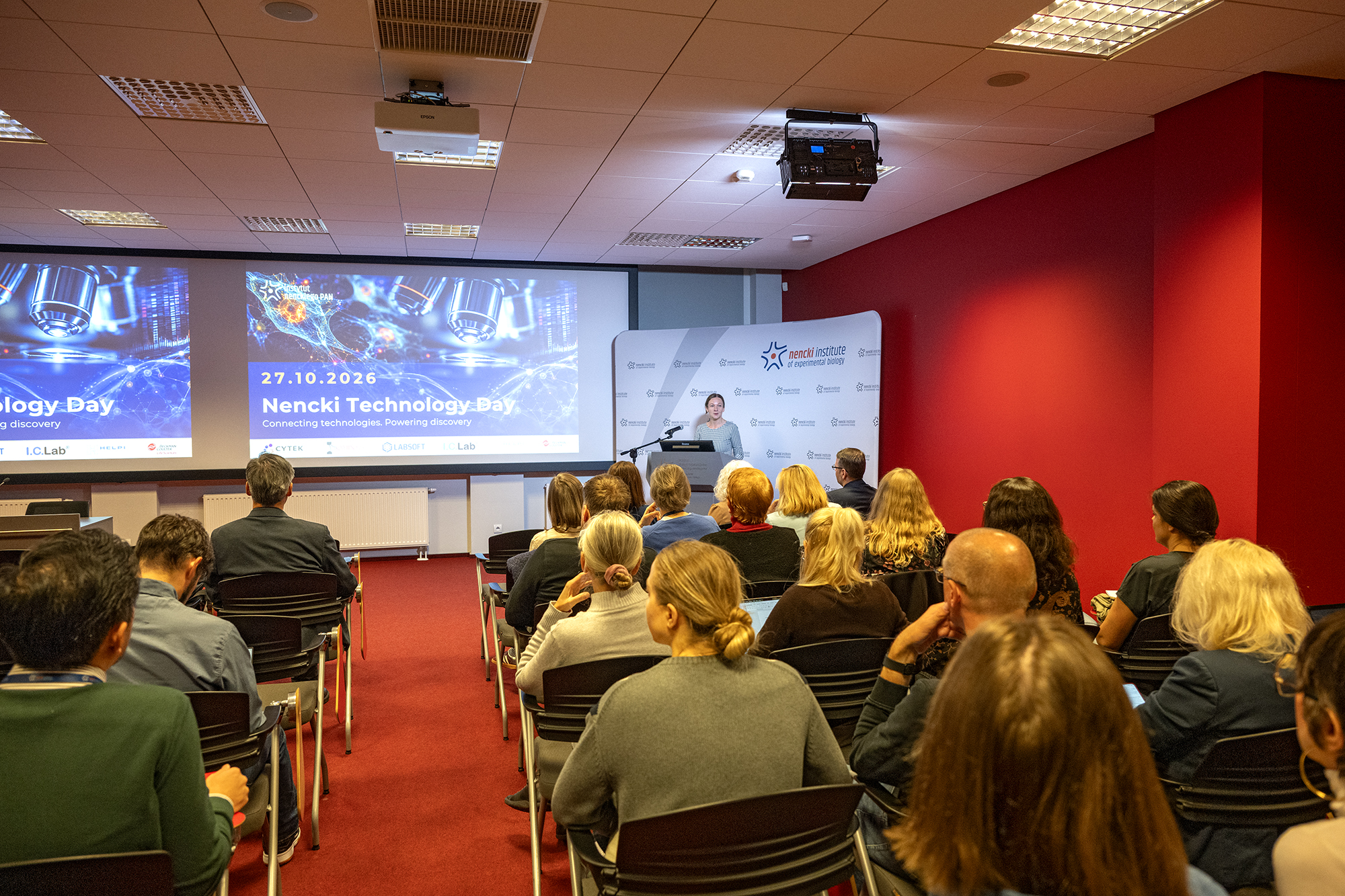
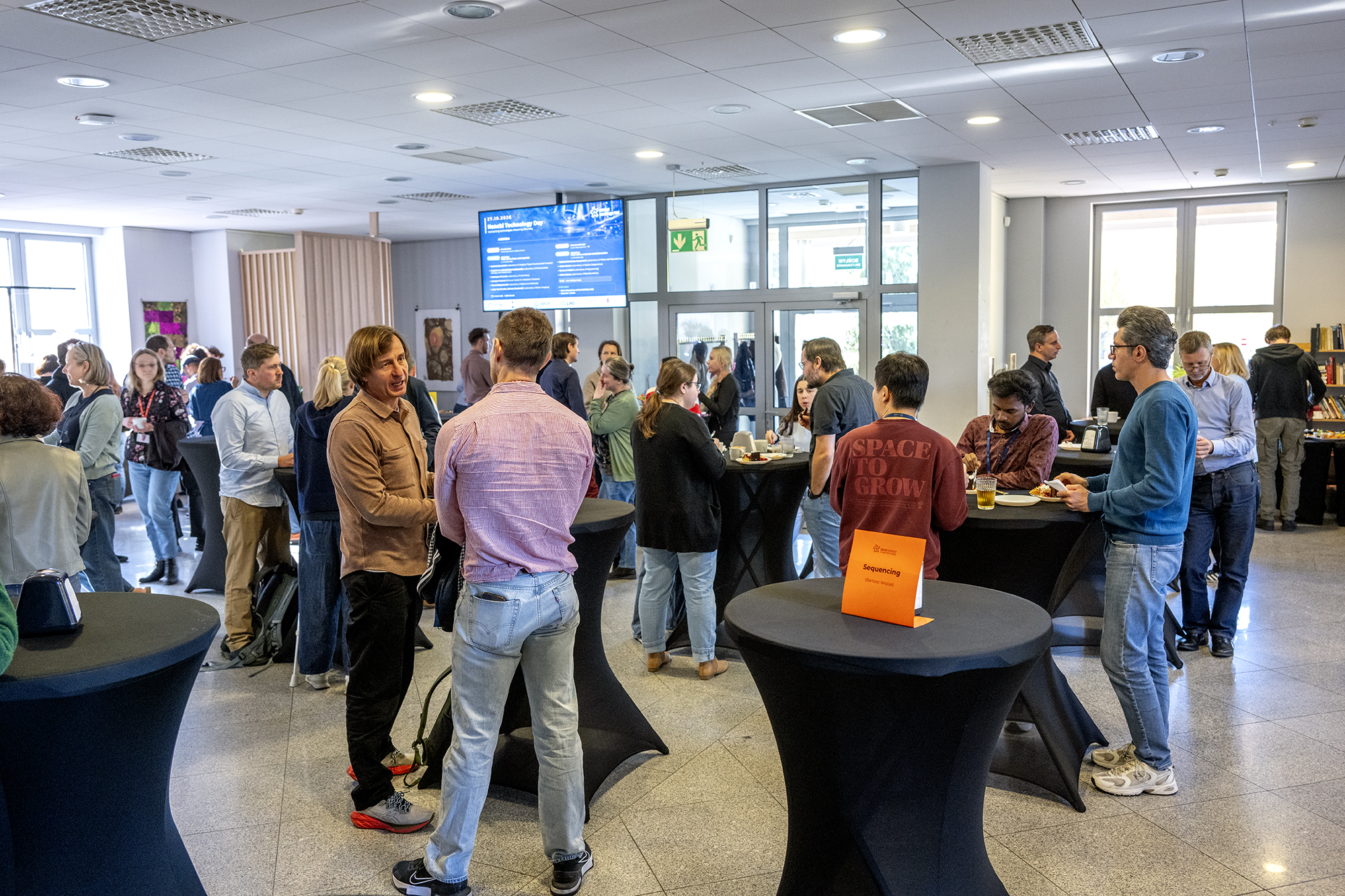
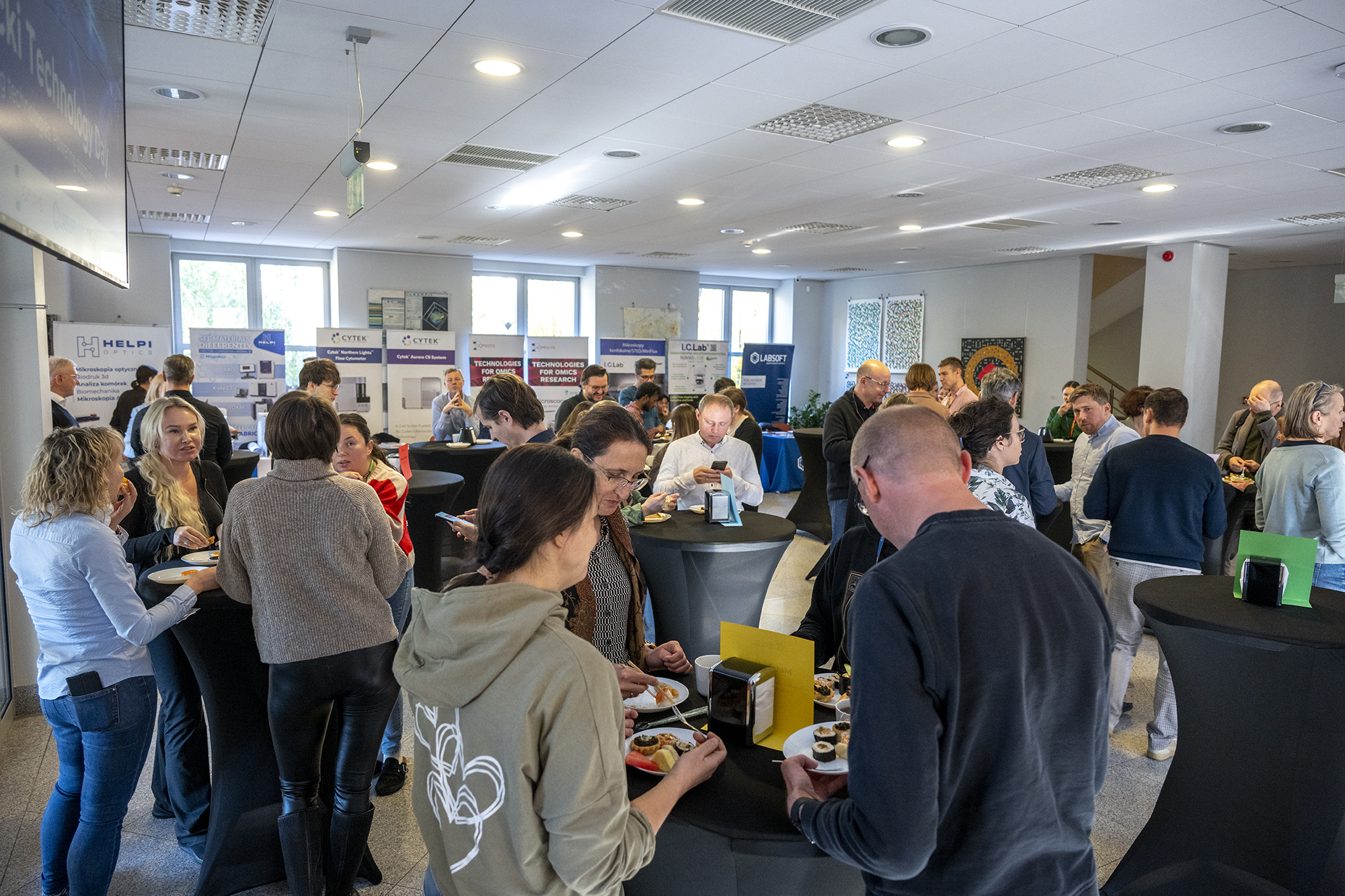
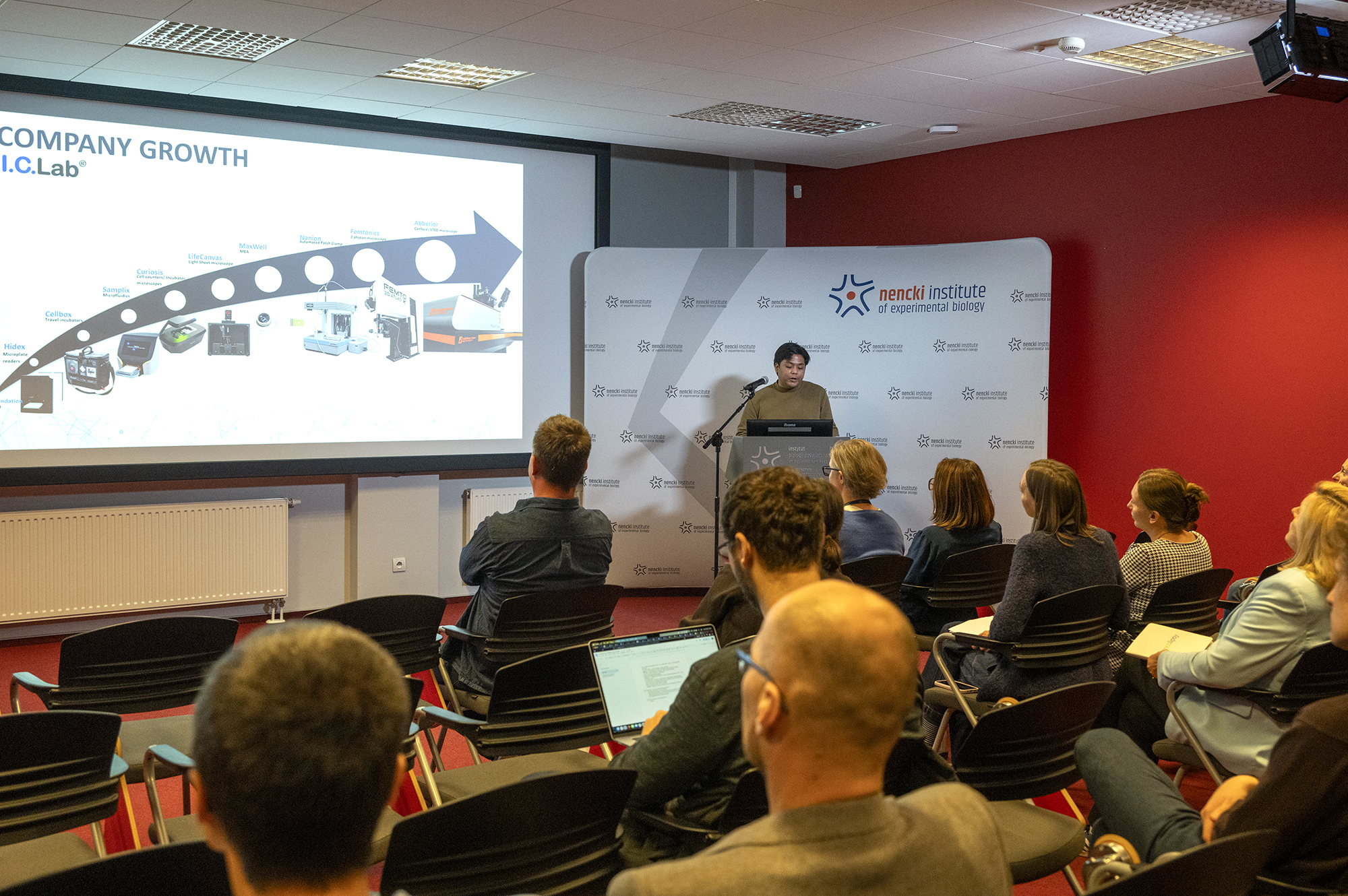
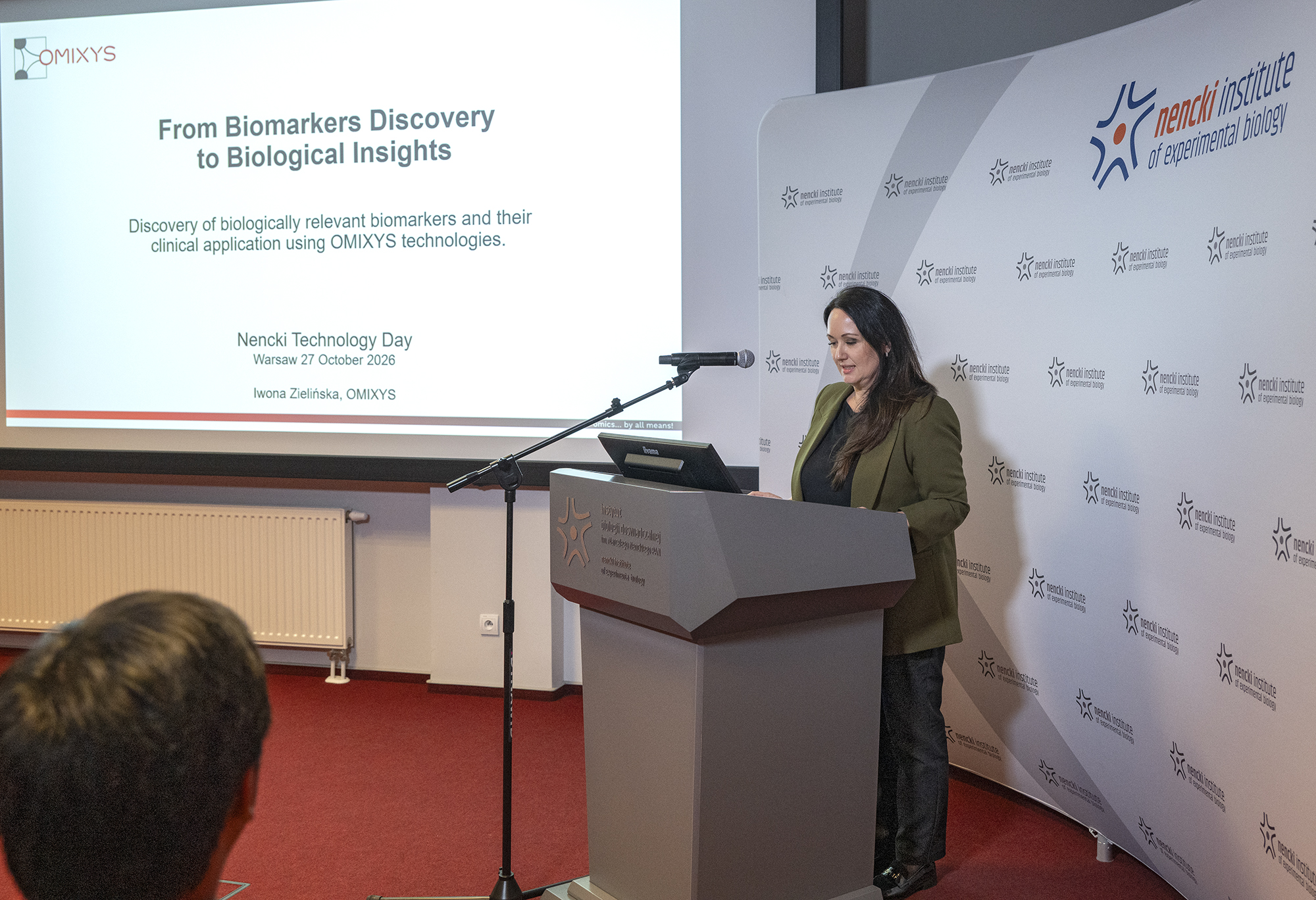
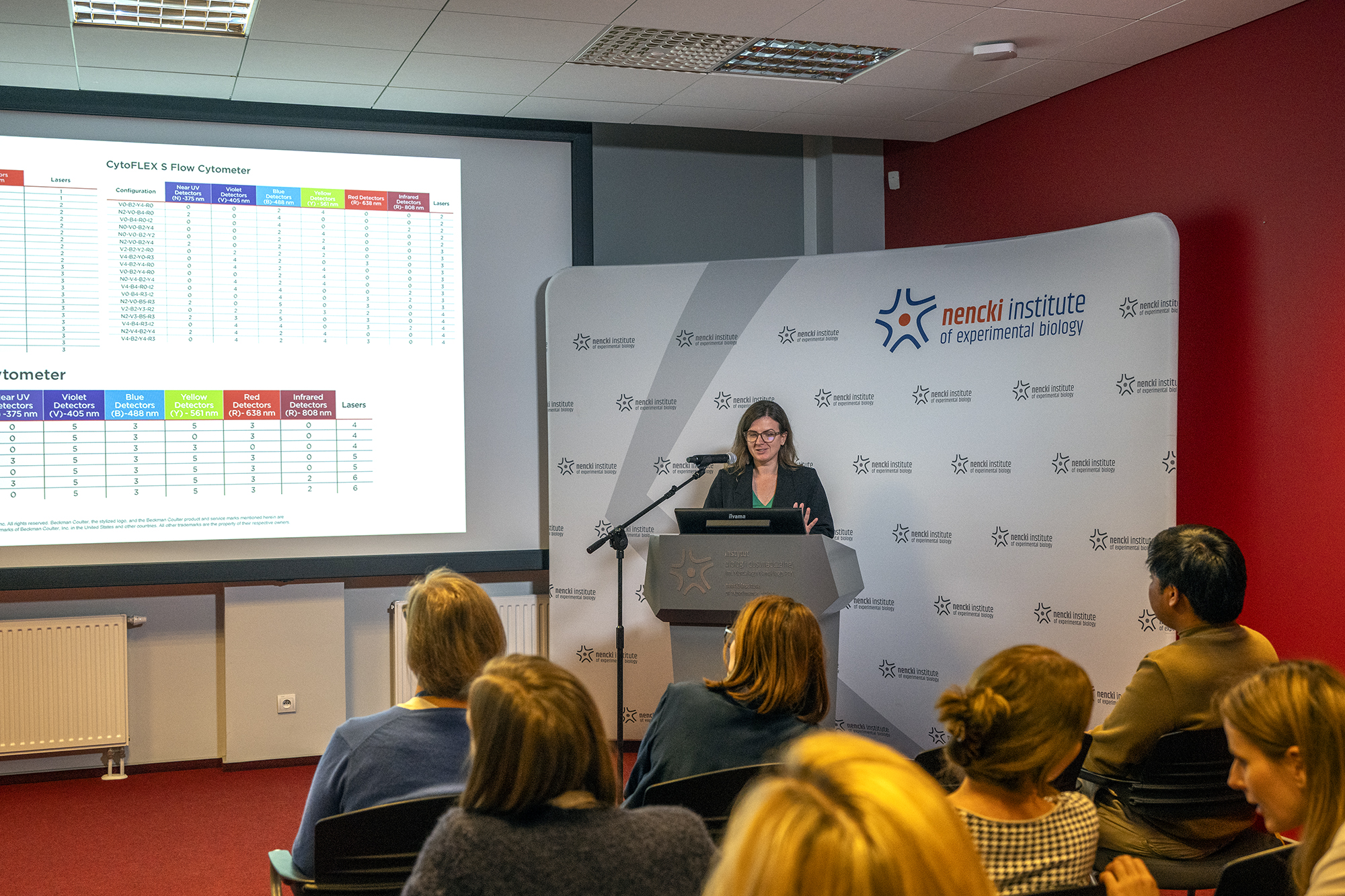
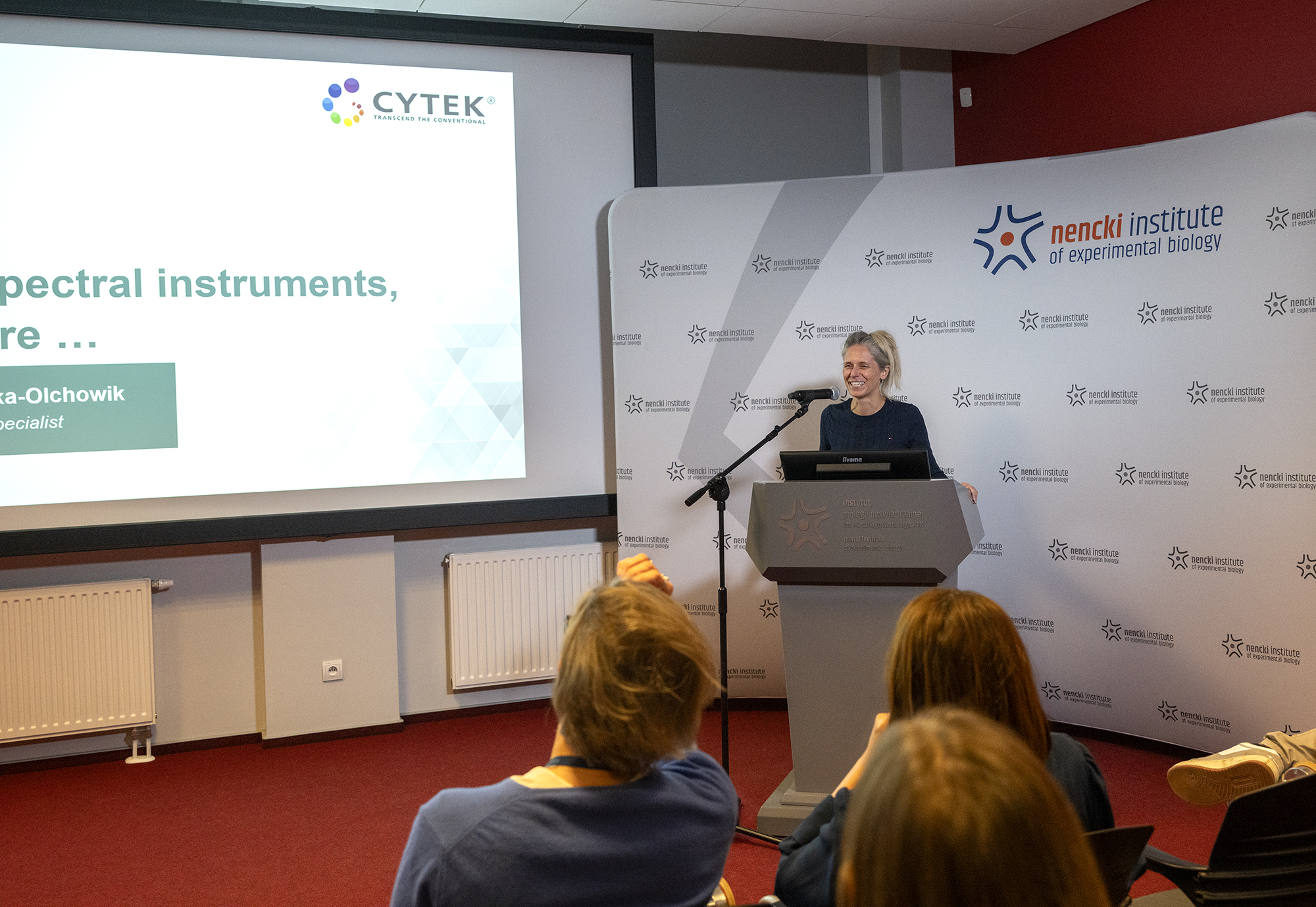
Researchers at the Nencki Institute had the opportunity to explore the capabilities of the latest scientific equipment and find inspiration for future research projects. The occasion was the first edition of Nencki Technology Day, held on 27 October in Warsaw.
Two major infrastructure projects, with a combined value of PLN 376 million, have recently equipped the Institute's laboratories with state-of-the-art research tools. The first, funded through the Smart Growth Operational Programme, enabled the establishment of the BioPixel Bioimaging Centre in Mikołajki. The second, supported by Poland's National Recovery and Resilience Plan, led to the creation of the Translational Research Centre in Warsaw.
The equipment acquired through these investments meets the diverse needs of research teams, enabling studies ranging from individual molecules and their interactions to whole-organism research. It includes microscopes capable of imaging living cells in three dimensions and resolving structures just a few nanometres in size; systems for analysing differences between individual cells, from next-generation sequencing to conventional and spectral flow cytometry; and automated platforms for studying animal behaviour and metabolism. These technologies are supported by advanced IT infrastructure for storing, processing and visualising scientific data.
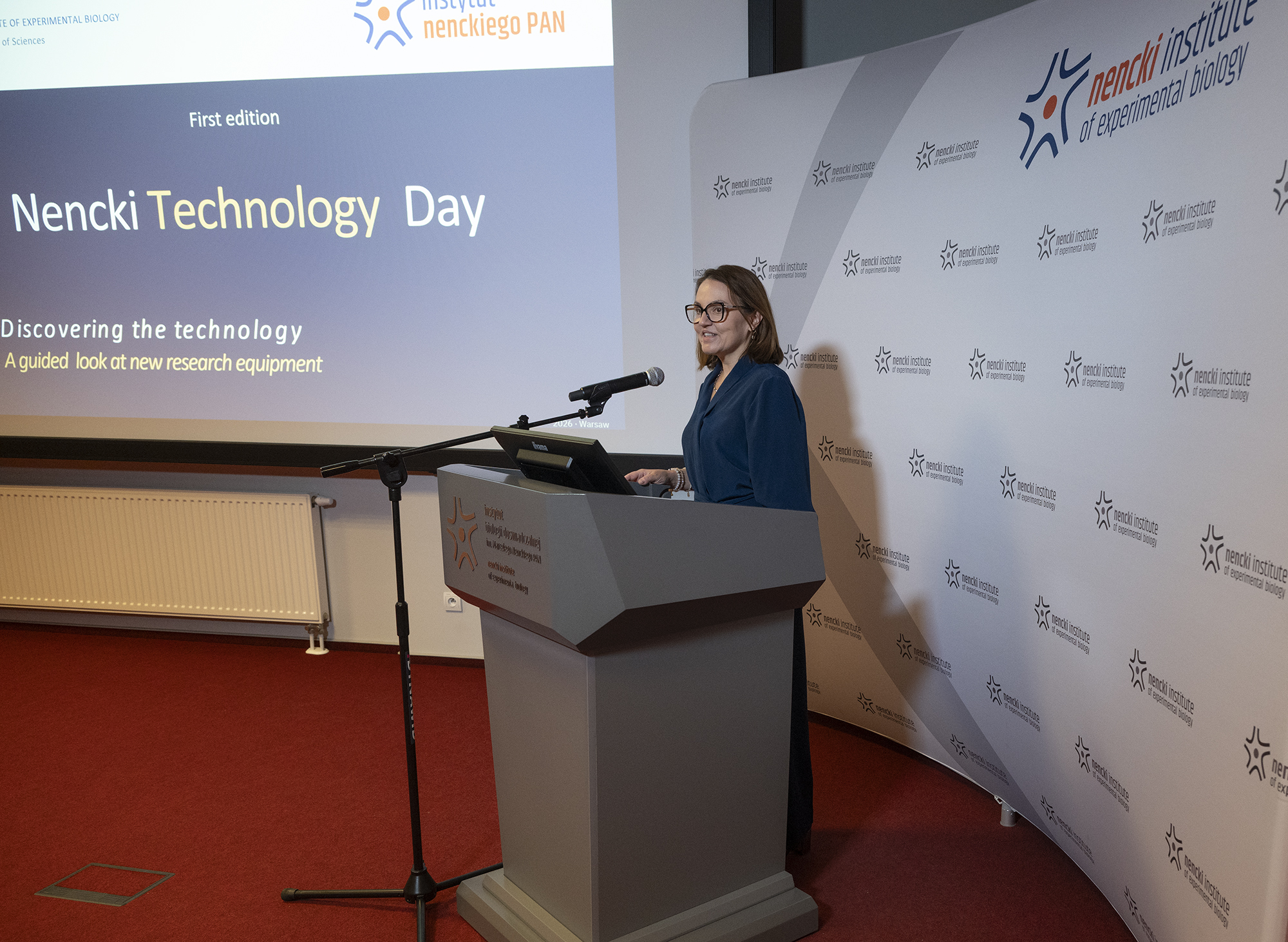
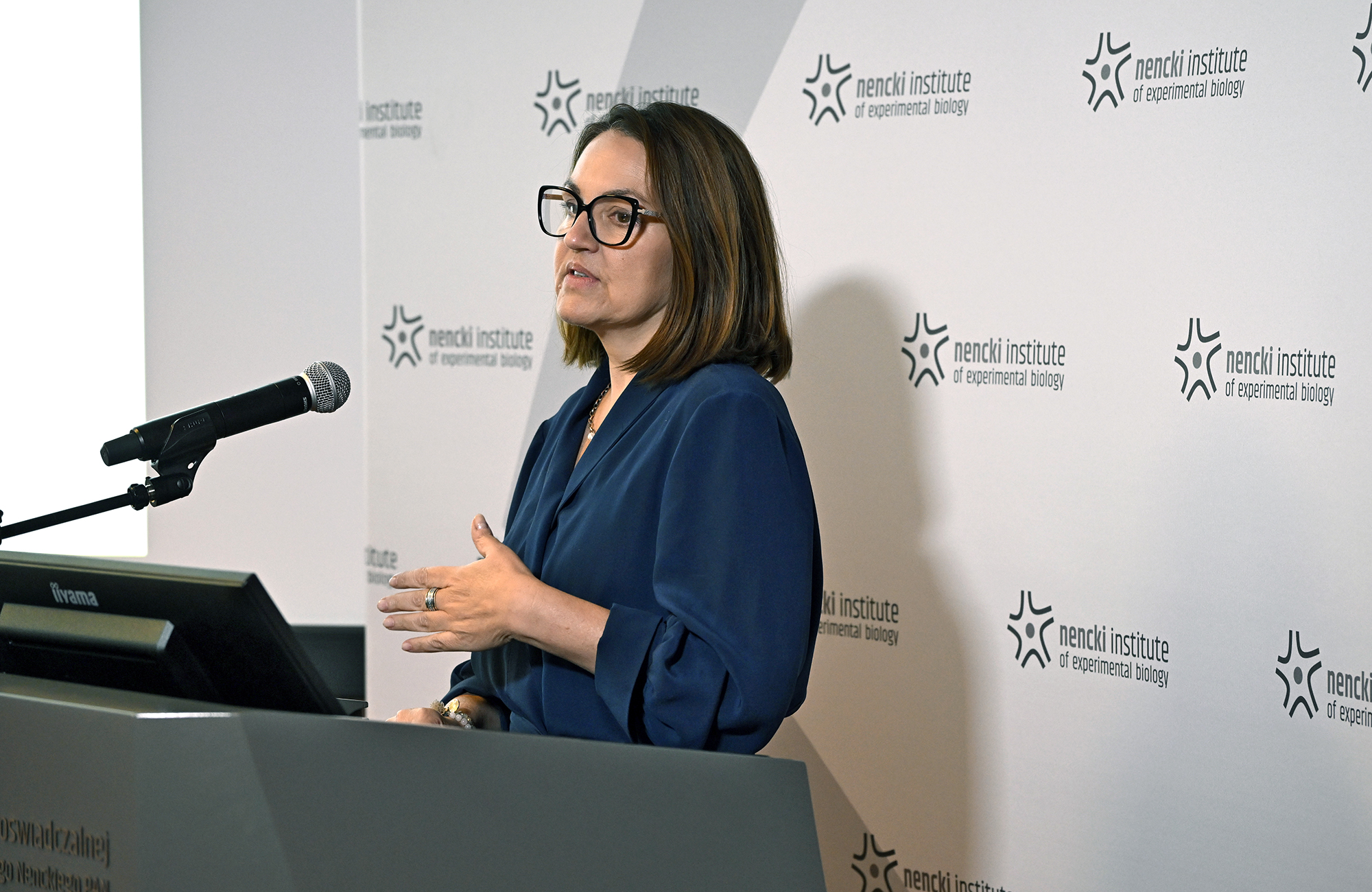
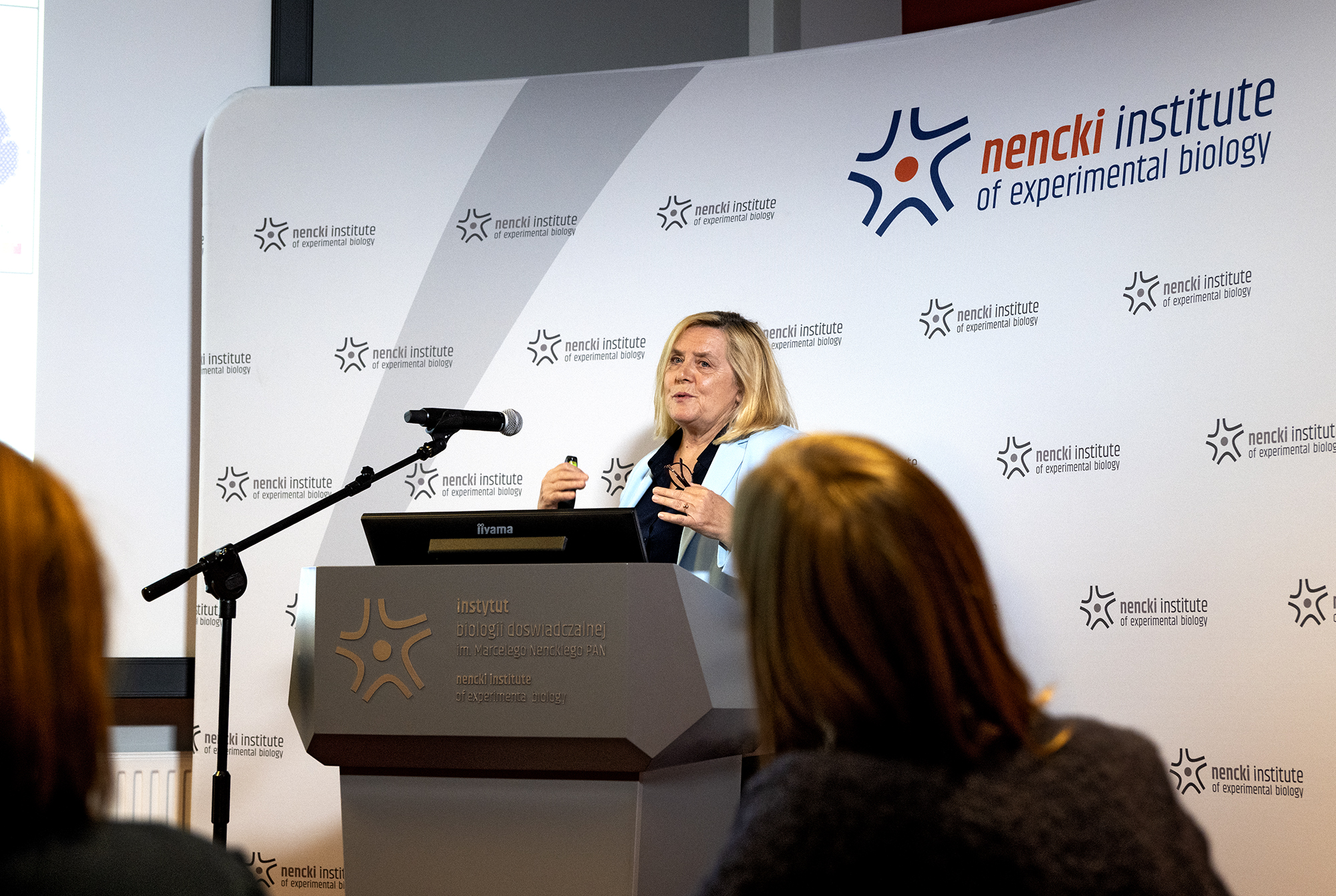
“When selecting technologies, we worked closely with research group leaders. We considered not only the needs of ongoing projects but also the potential of new tools to open up further avenues of research. These resources are available to the entire Institute community,” emphasised Prof. Monika Liguz-Lęcznar, Deputy Director for Scientific Affairs, during the opening of Nencki Technology Day.
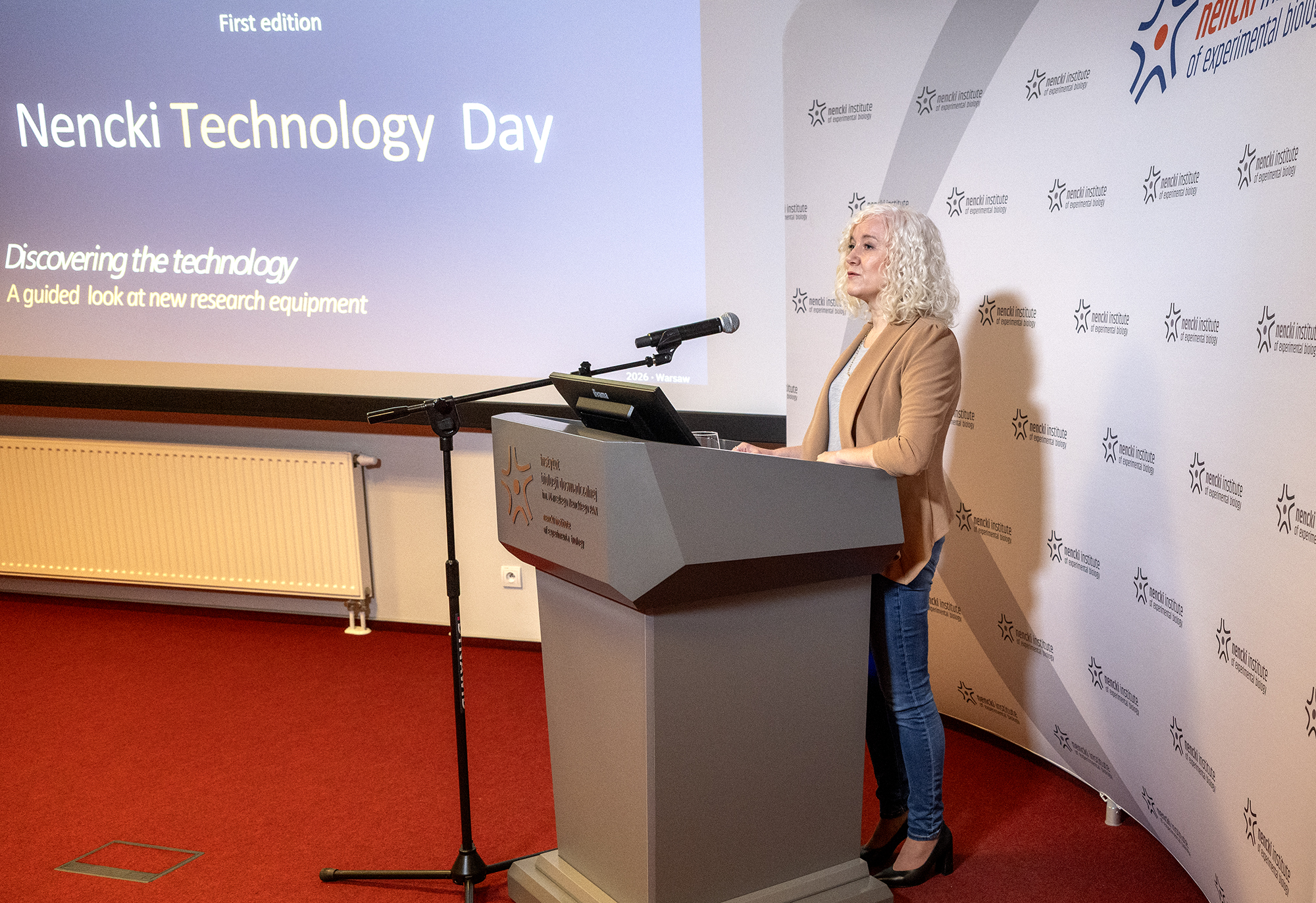
“Today, many scientific discoveries rely on cutting-edge technologies and specialised technical expertise that enable researchers to tackle their most complex questions. Bringing together different technologies available at the Institute through interdisciplinary collaboration has the potential to take the quality of our research to an entirely new level,” said Prof. Katarzyna Piwocka, Head of the Laboratory of Cytometry and one of the event's initiators.
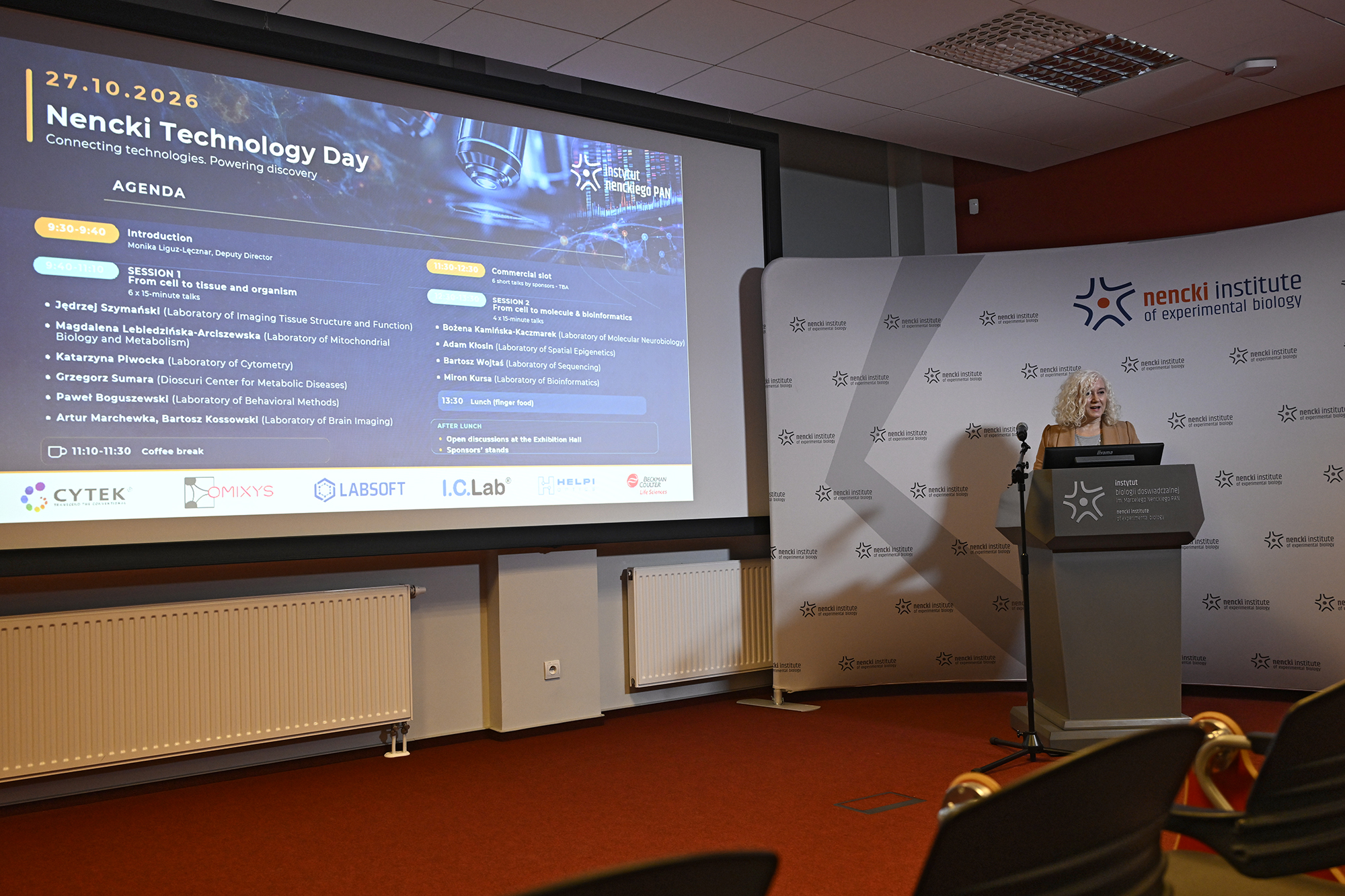
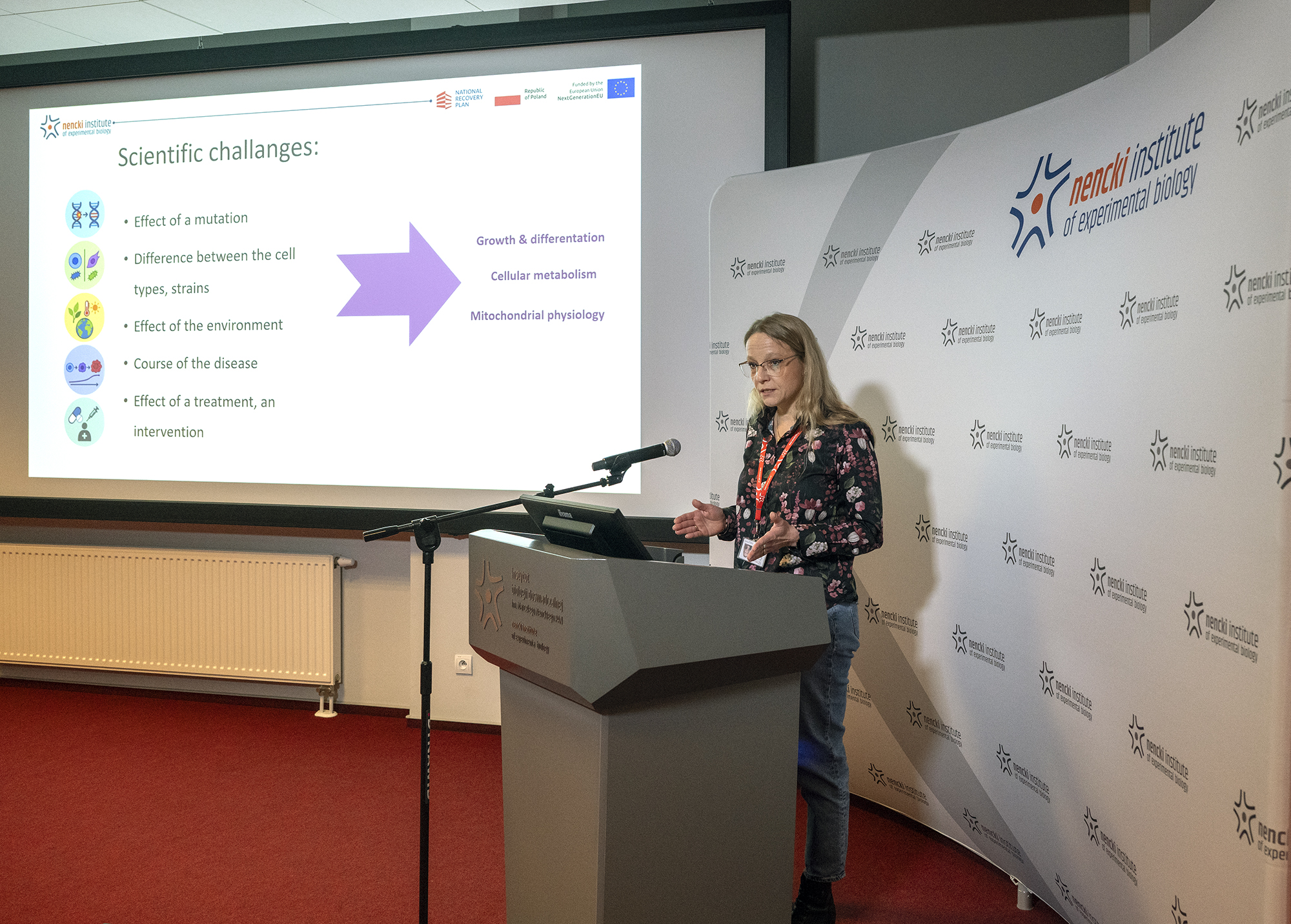
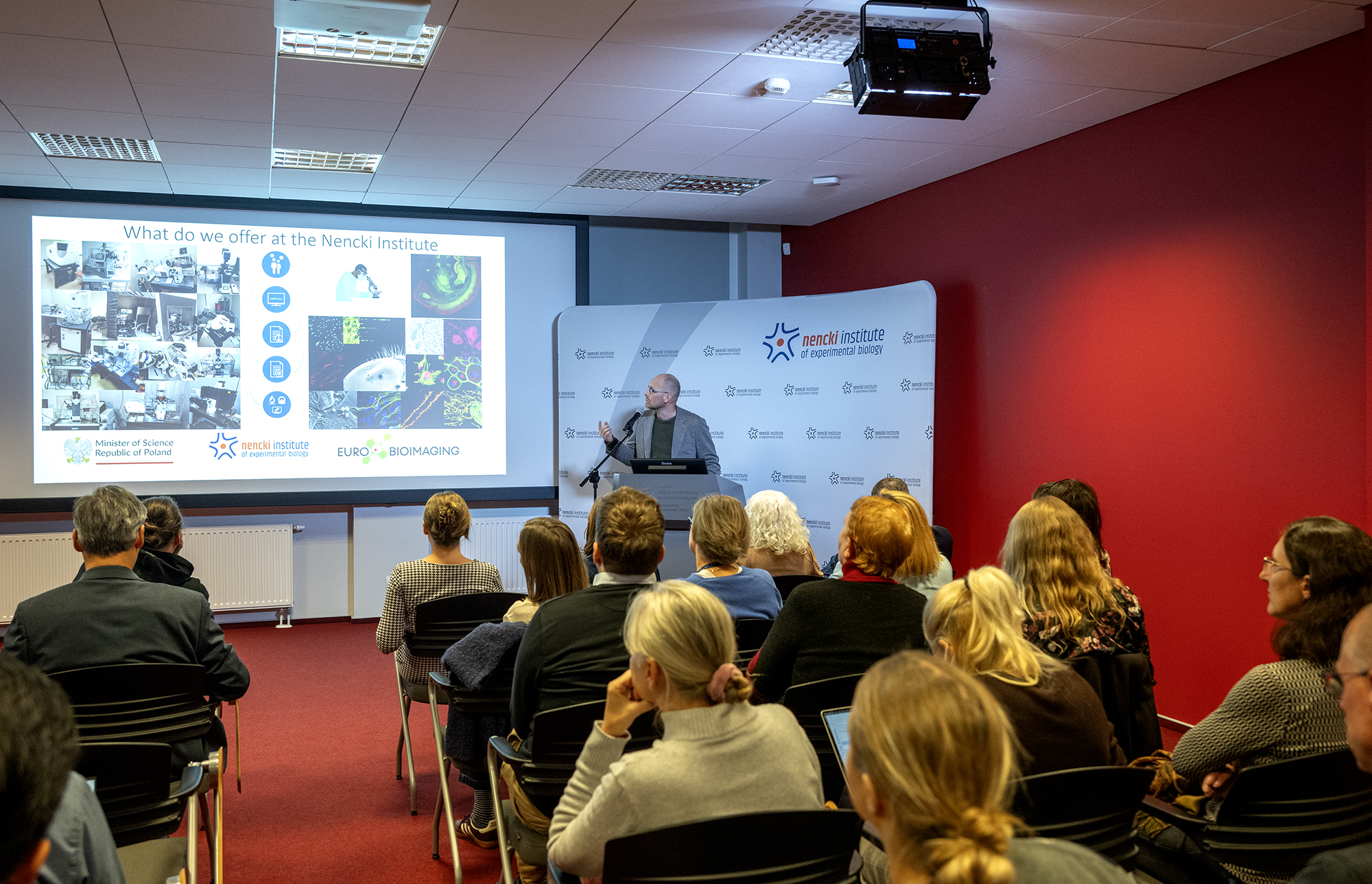
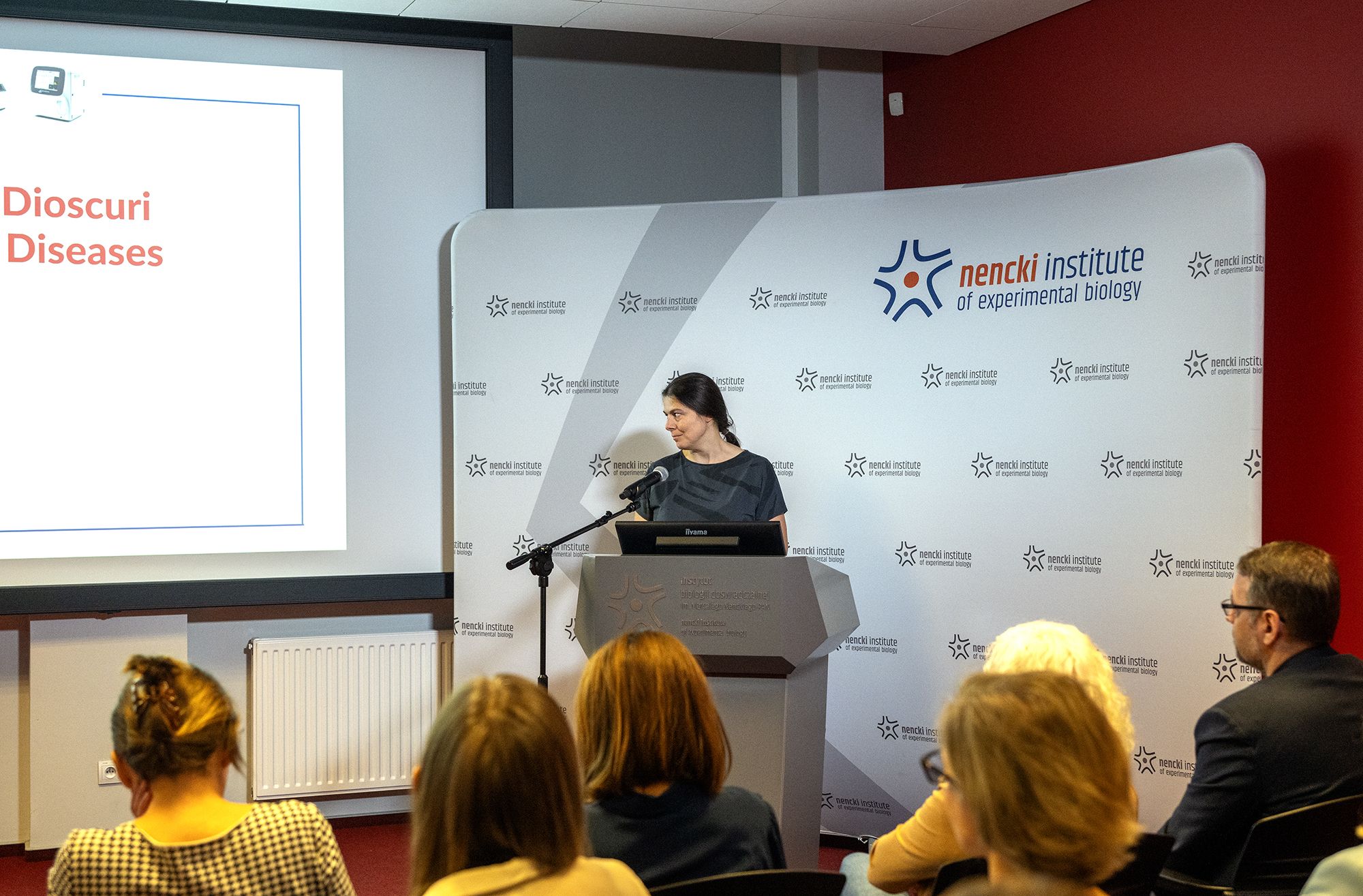
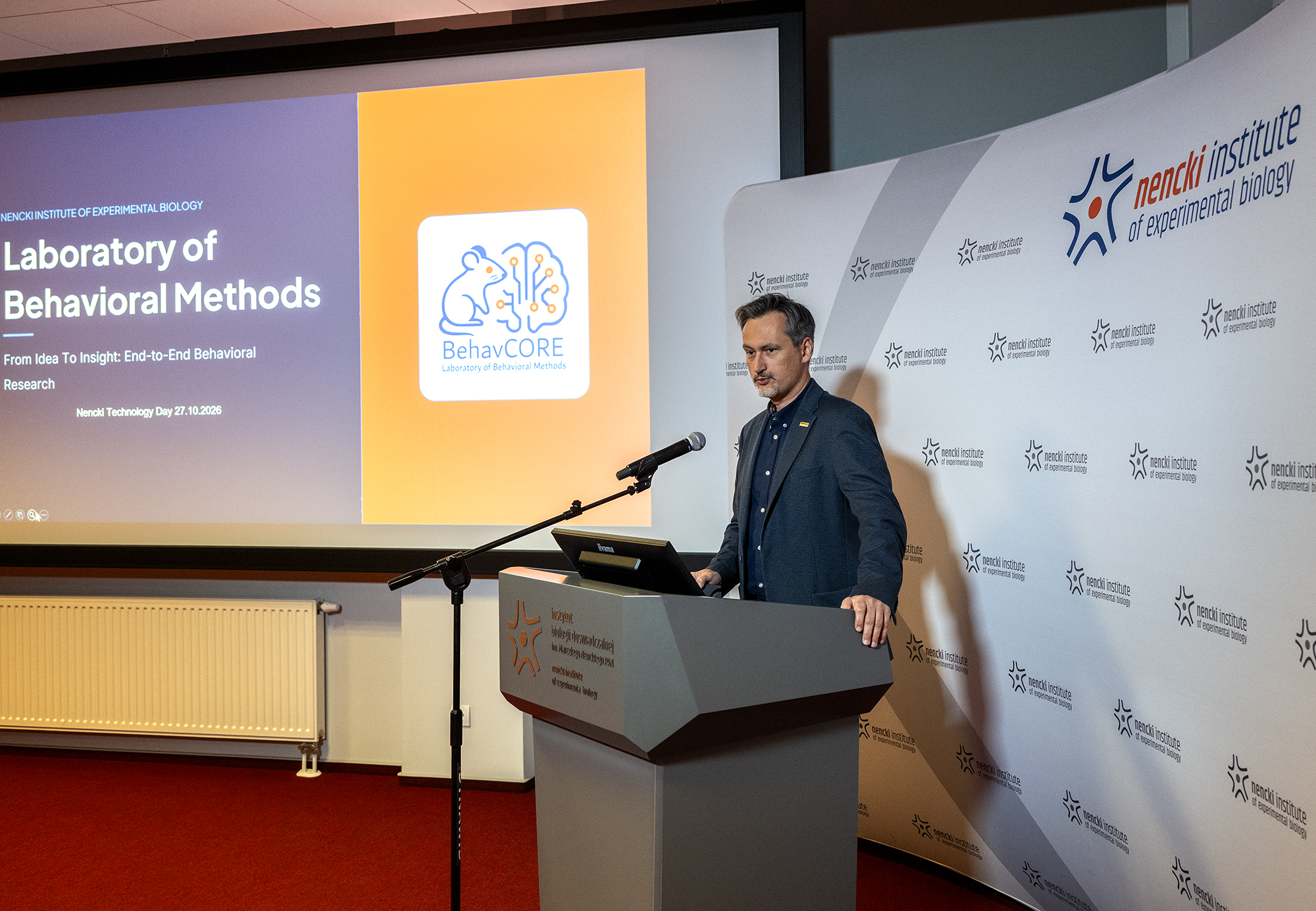
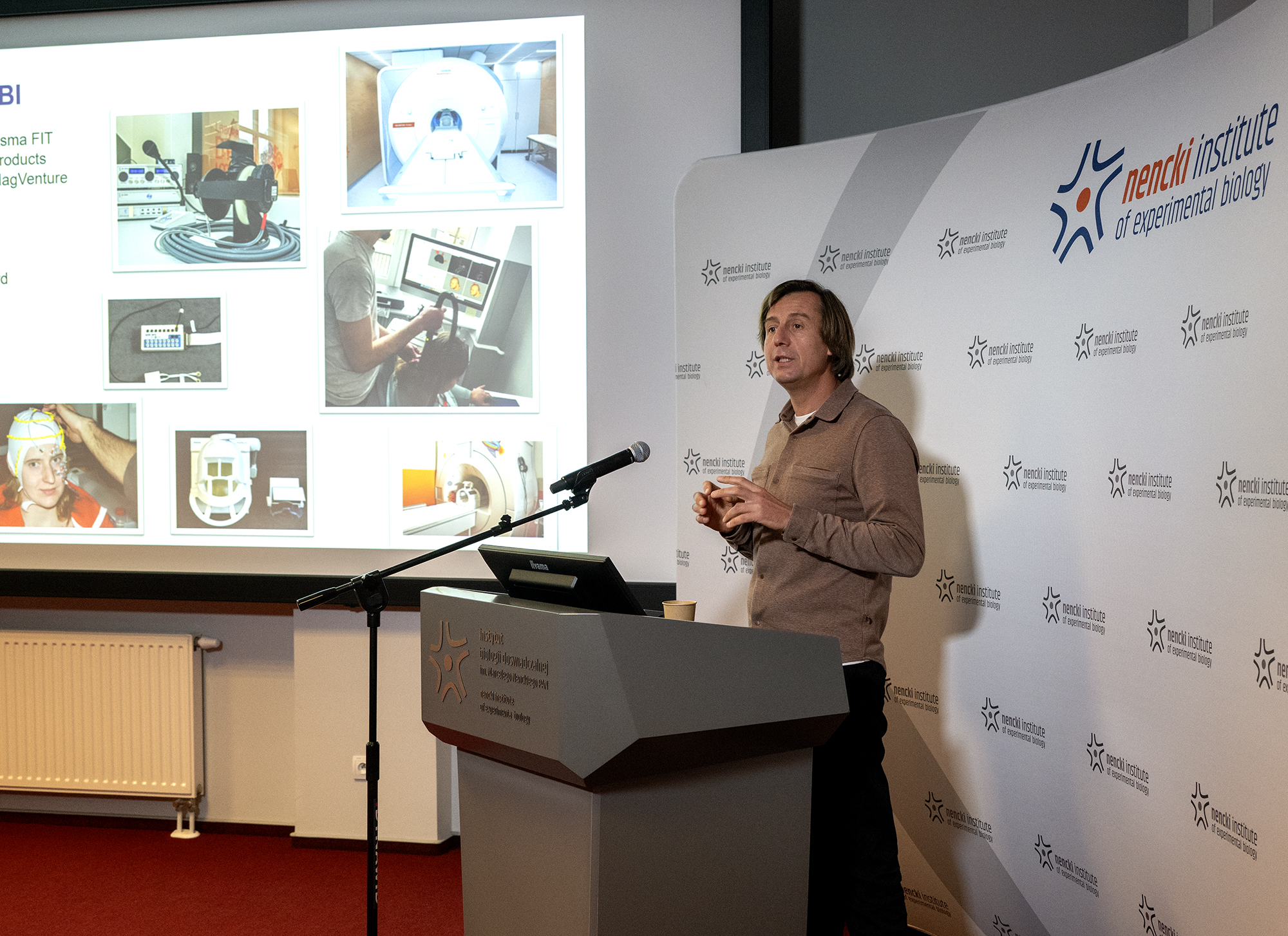
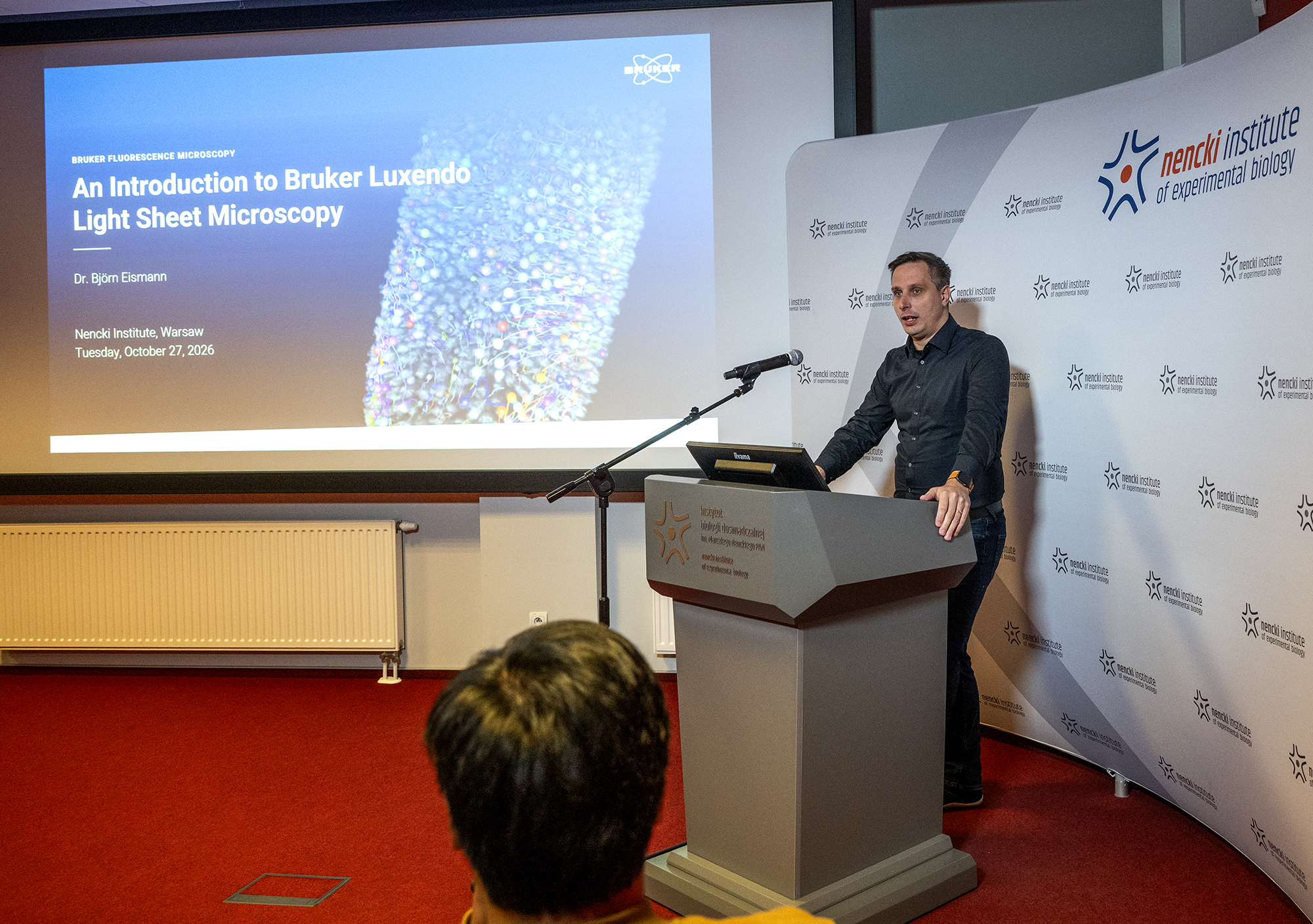
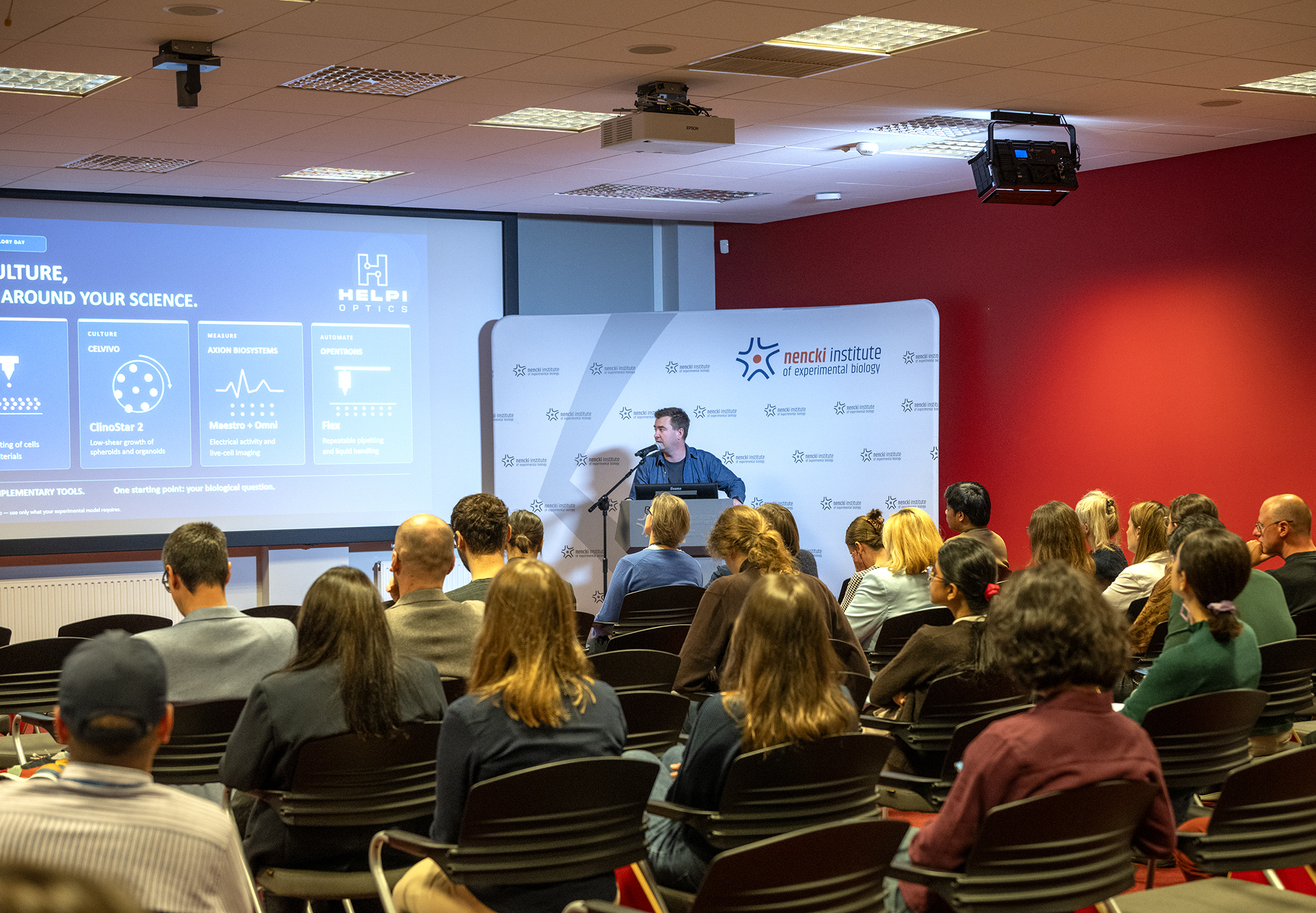
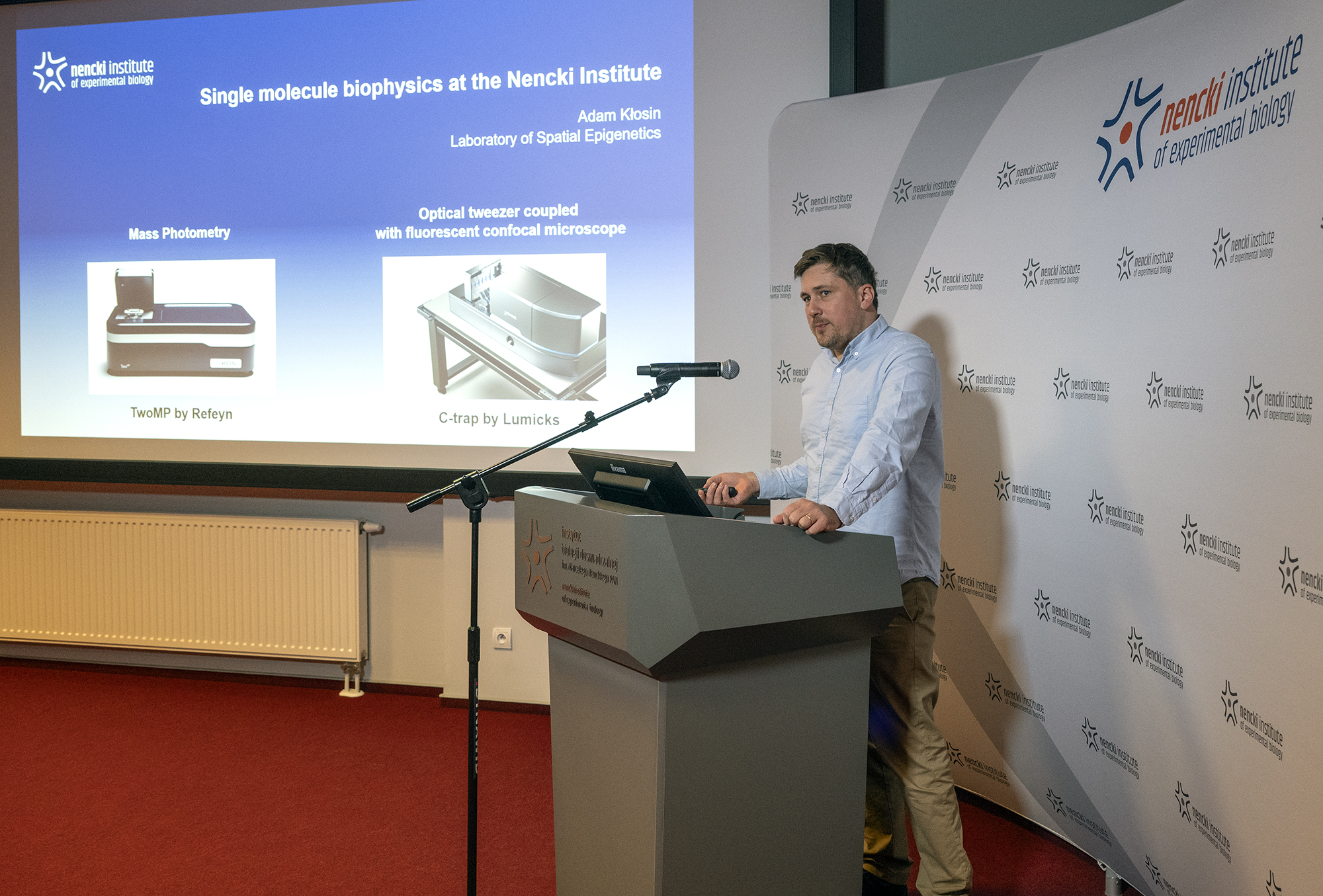
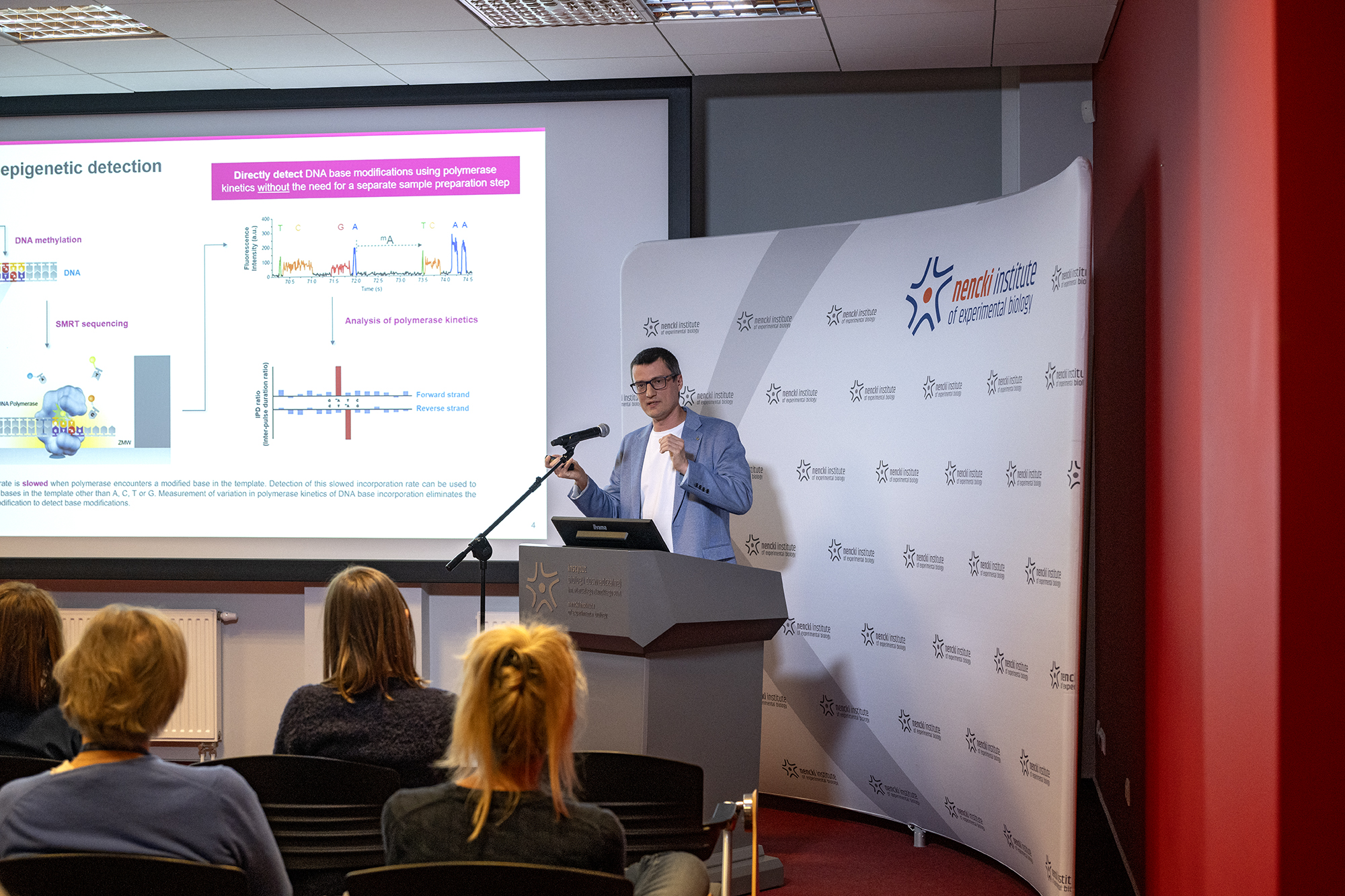
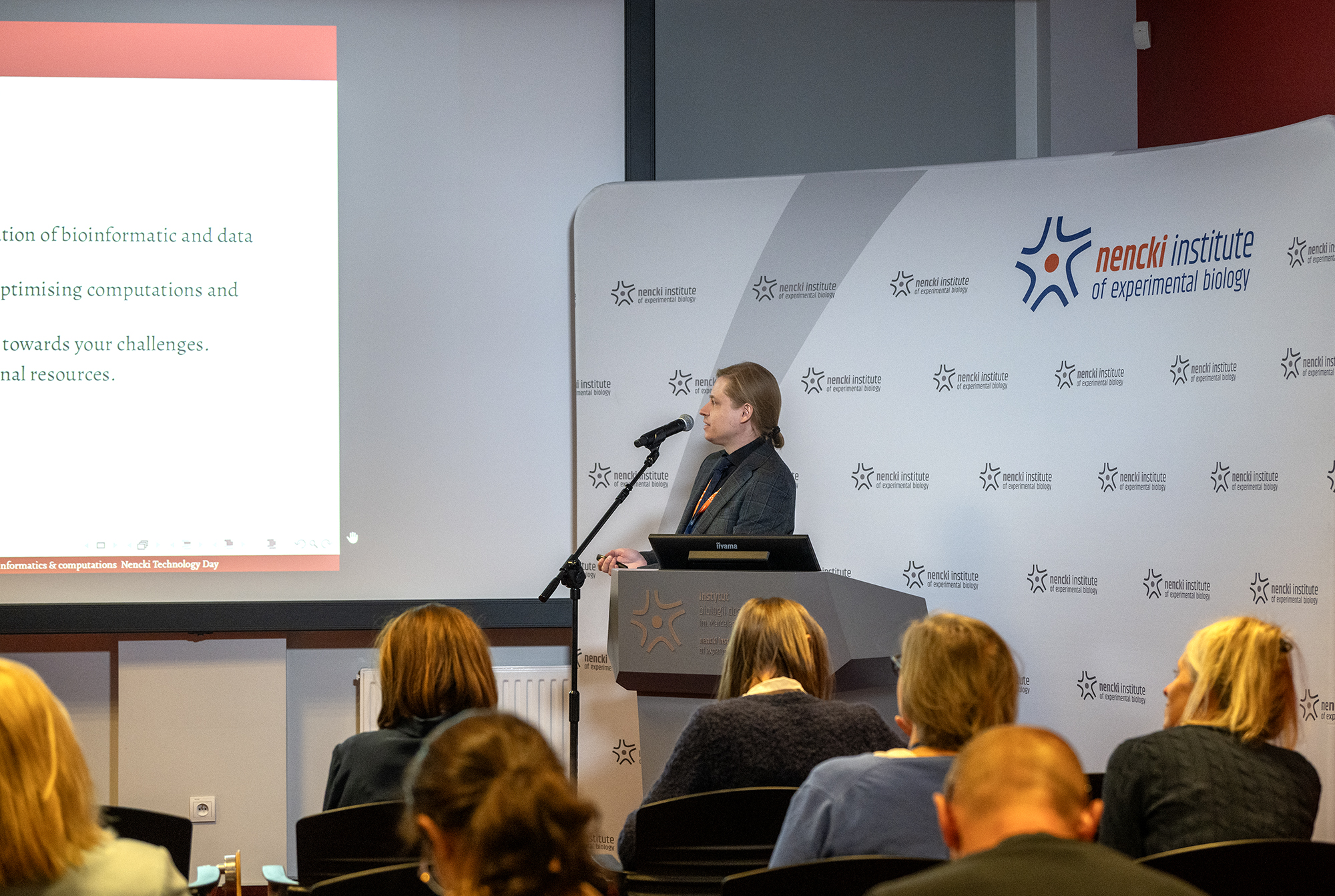
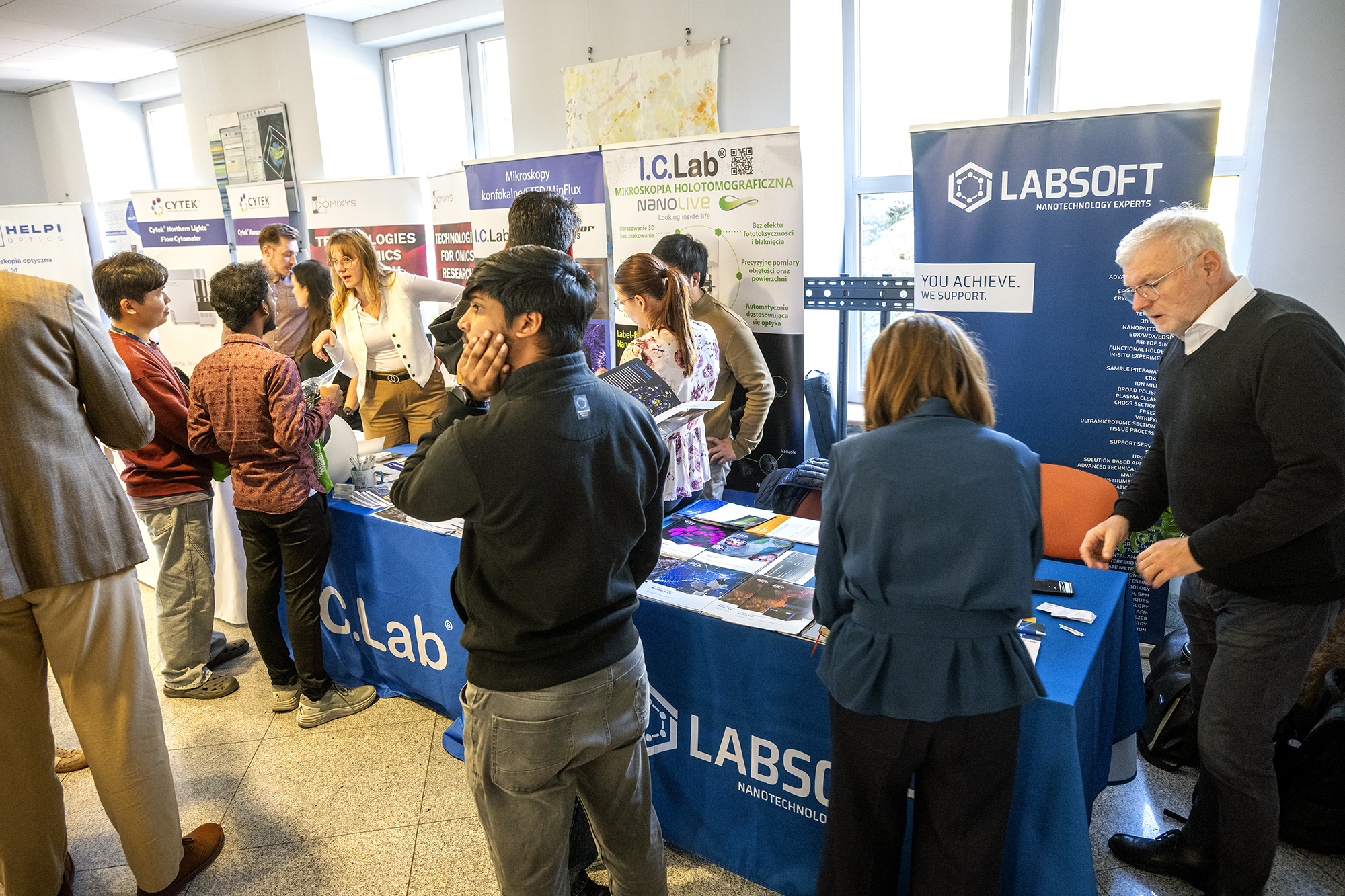
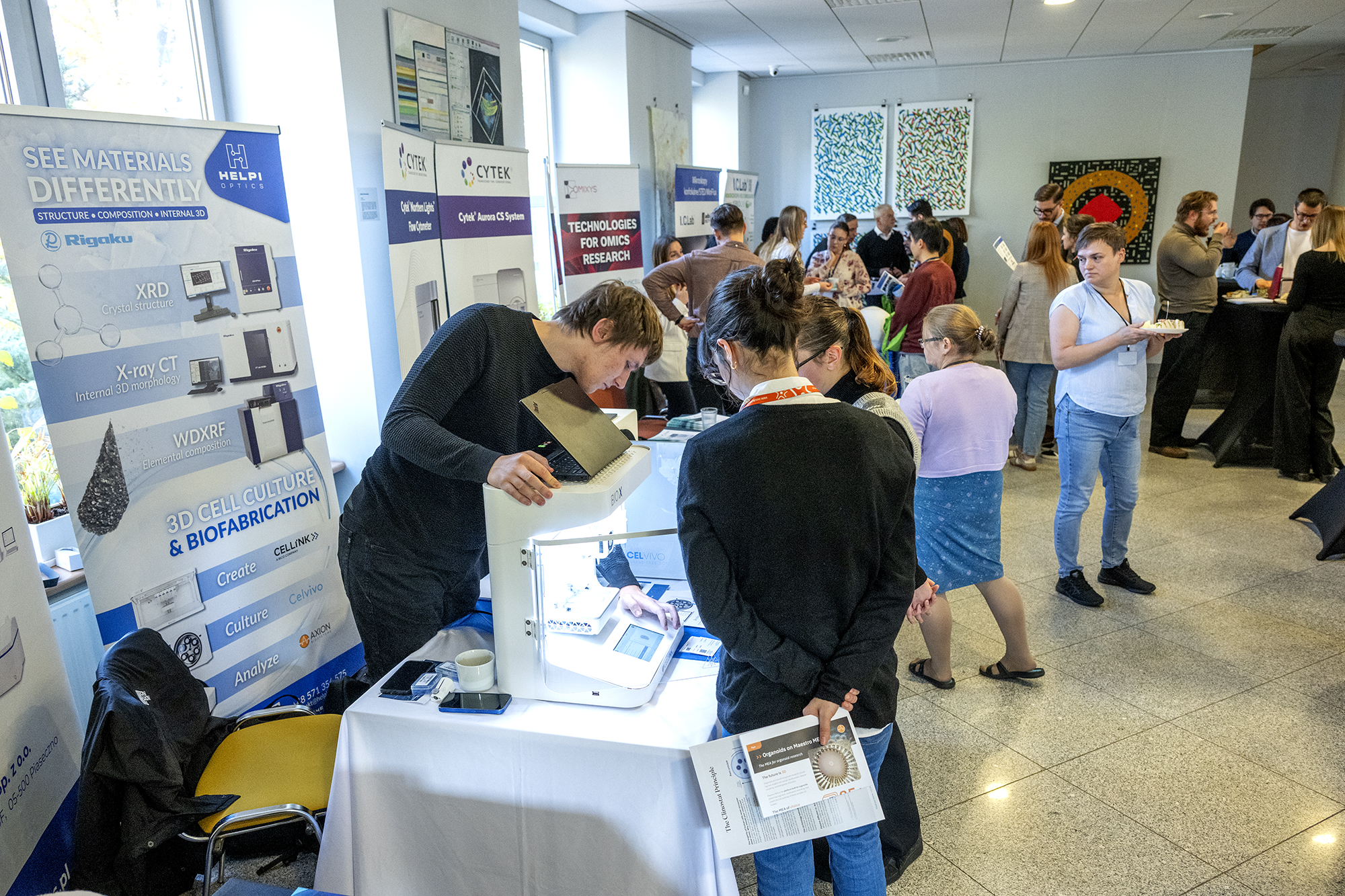
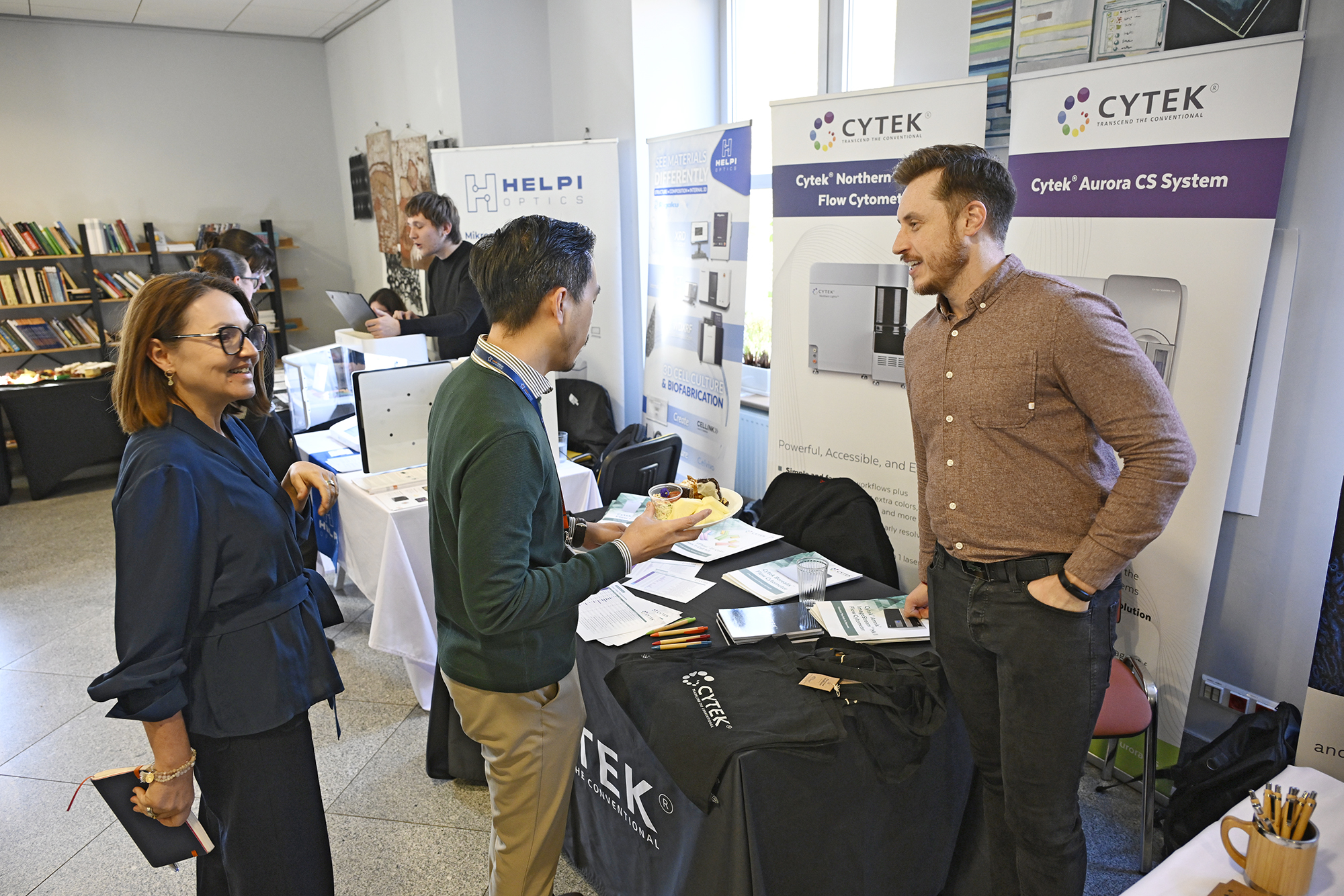
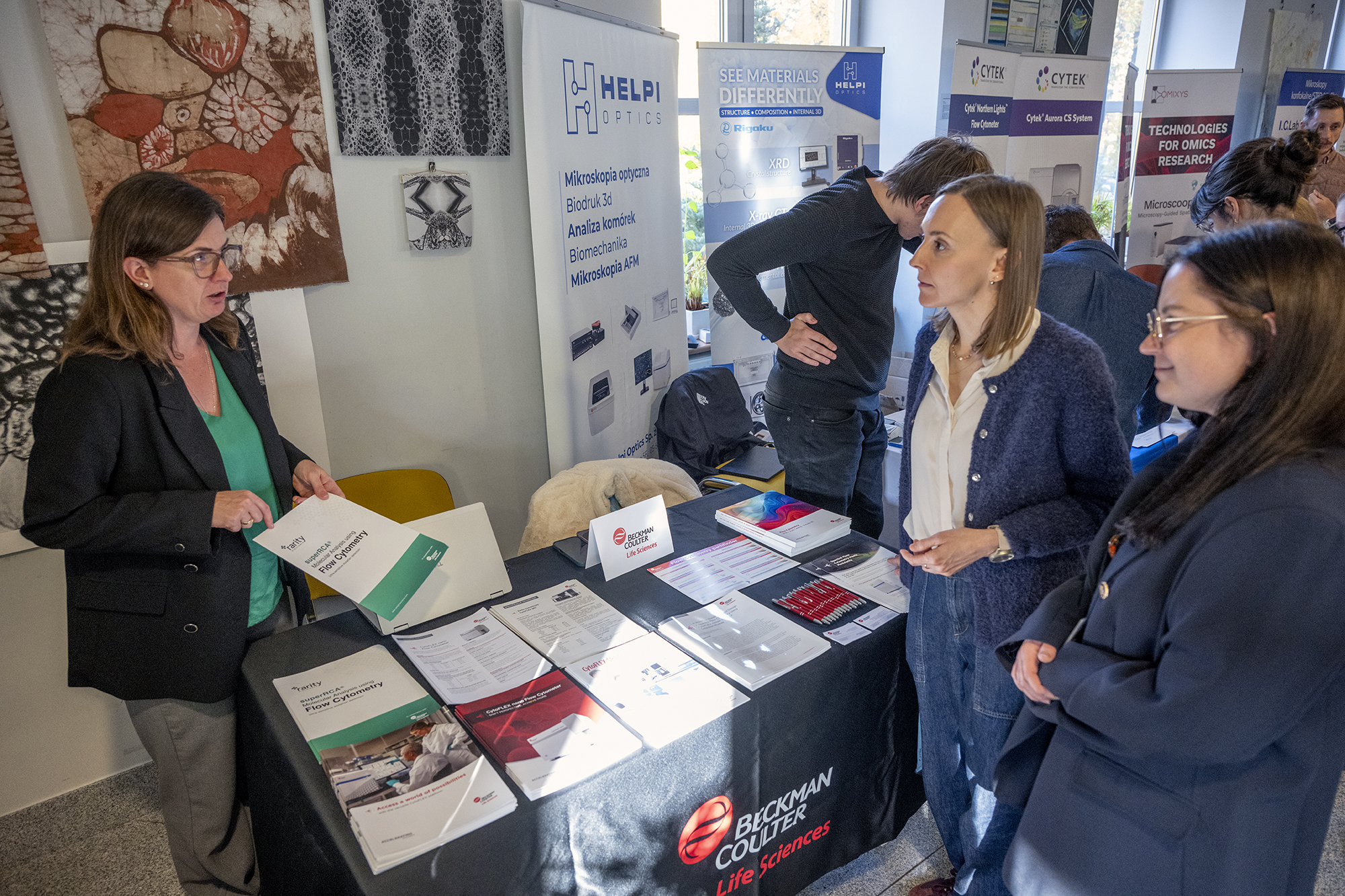
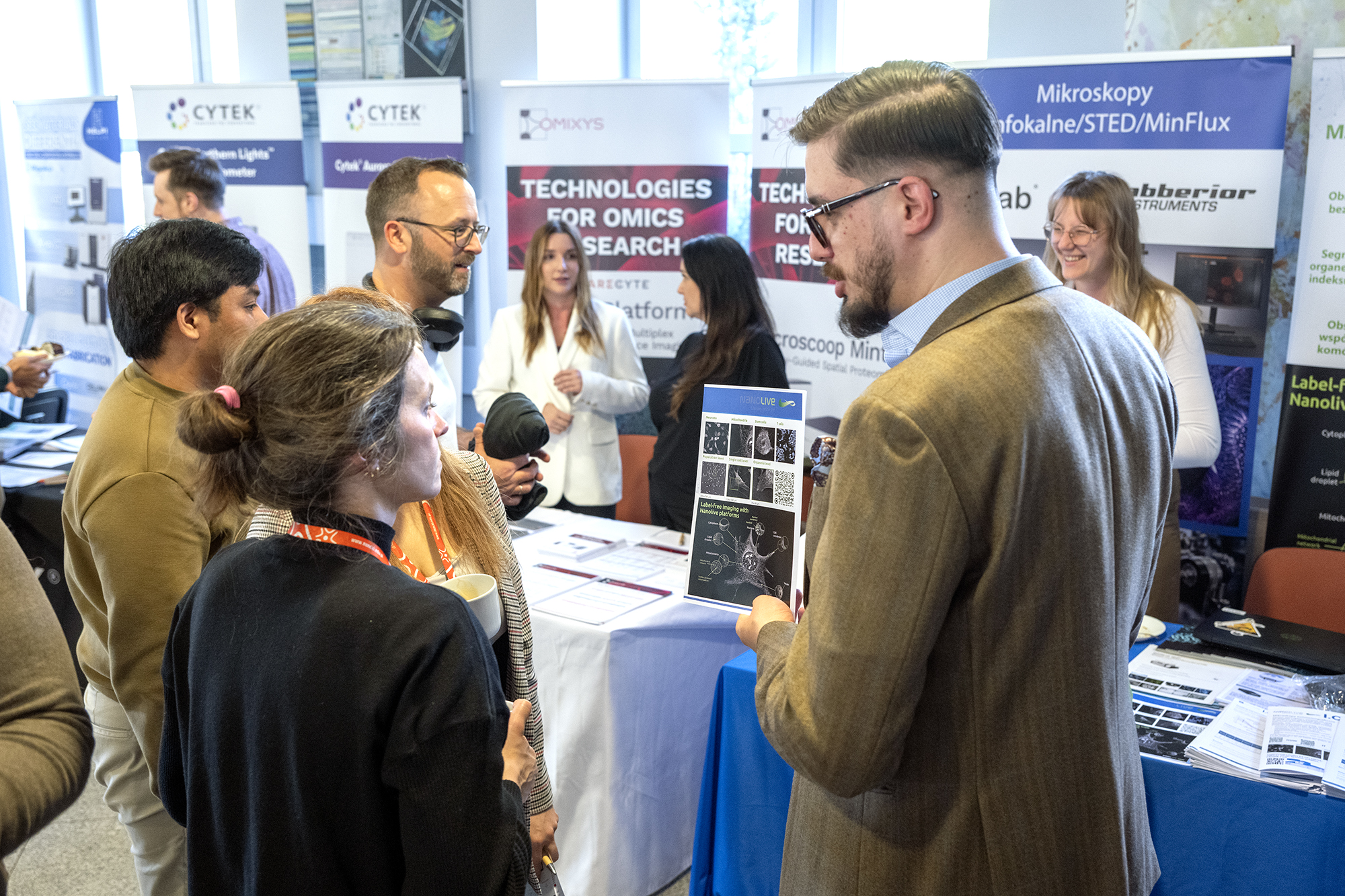
The programme featured ten presentations showcasing equipment used in the Institute's laboratories and the research opportunities it offers. Participants also learned about the support available from teams with specialist scientific and technical expertise and had the opportunity to speak with representatives of six partner companies.
“Speaking directly with an expert at the research planning stage helps scientists choose the right methods and assess which approaches will work best for a particular project. These discussions should always start with the scientific question. That is why we wanted researchers and PhD students to get to know the specialists working in our laboratories, so they know whom to approach with specific questions,” added Prof. Piwocka.
Special thanks go to Prof. Katarzyna Piwocka and Jędrzej Szymański for their initiative and dedication to organising the first Nencki Technology Day, and to everyone who contributed to making the event possible.
Date
30 October 2026
Gallery