
News
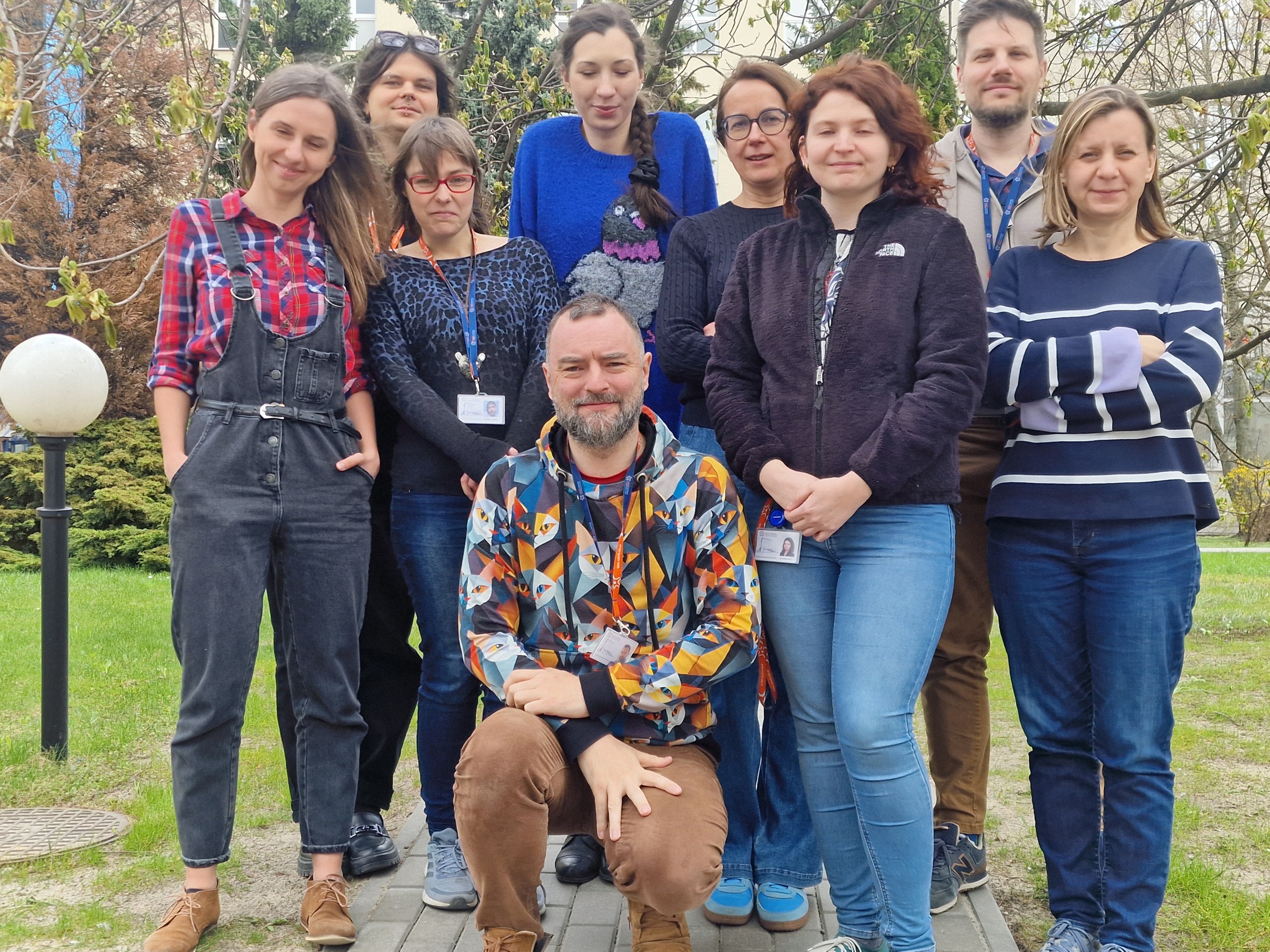
Publication by Prof. Jan Kamiński’s Team Awarded the Jerzy Konorski Prize
The article "Unattended working memory items are coded by persistent activity in human medial temporal lobe neurons" has been recognized as the best Polish publication in the field of neurobiology in 2025.
The award-winning study focuses on working memory - the mechanism that allows us to briefly hold and use information needed "here and now," such as a BLIK code, an address heard over the phone, a platform number, or directions in an unfamiliar city.
How does the brain store this kind of temporary information? The classical approach assumes that neurons maintain information through persistent activity. However, newer theories have suggested that some information - especially items we are not actively focusing on at a given moment - can remain in the brain in a "latent" form, without continuous neuronal activity.
Until now, arguments for this "silent" form of memory came primarily from methods that record averaged signals from large populations of cells. Researchers from the Laboratory of Neurophysiology of Mind at the Nencki Institute questioned whether the brain truly stores some information "silently," or if the activity signal of individual neurons was simply being missed by methods with insufficient resolution.
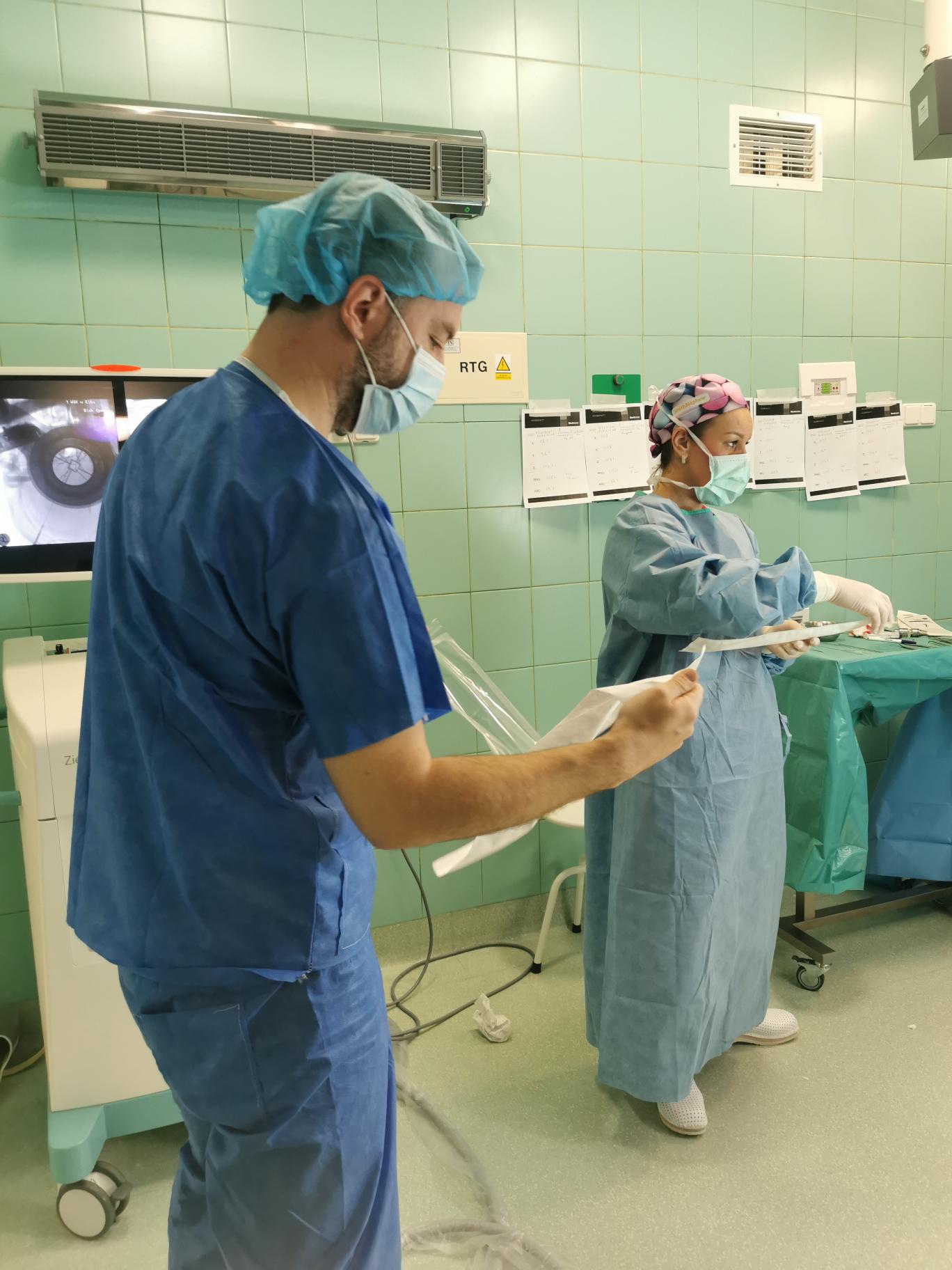
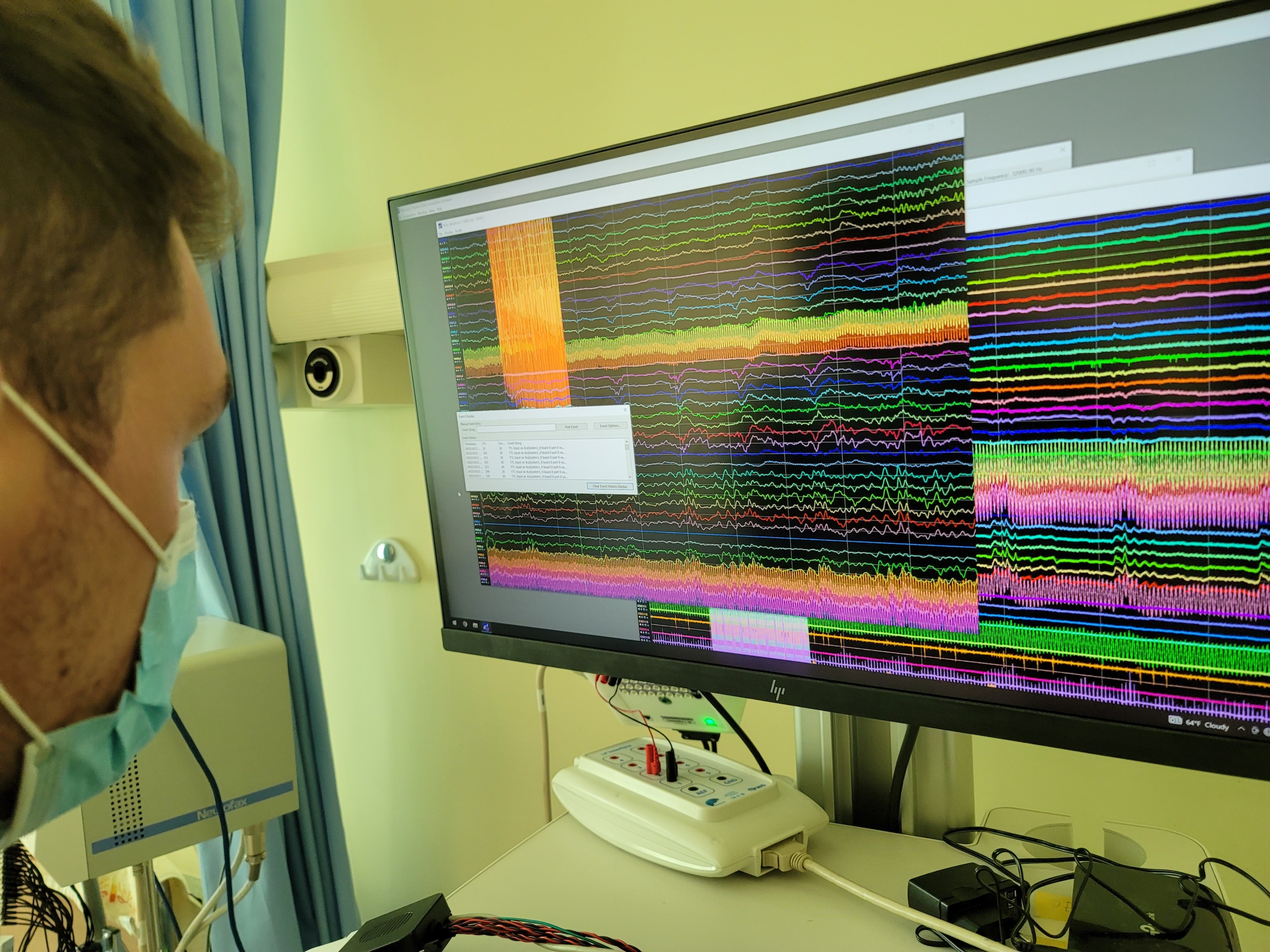
In the award-winning study, the authors analyzed this problem with greater precision: for the first time in Poland, they recorded the activity of single neurons in humans. The results demonstrated that information maintained in working memory - even items temporarily pushed to the background - was indeed represented by this persistent neuronal activity.
Such precise measurements were made possible through the use of invasive monitoring in patients with drug-resistant epilepsy. This achievement is outstanding not only scientifically but also clinically, as the project has contributed to the advancement of modern diagnostics for drug-resistant epilepsy in Poland.
Our warmest congratulations to all the authors of this award-winning publication!
Date
11 June 2026
Gallery